Start with what you already use
Buying less is not about refusing every new thing. It is about making room for purchases that genuinely help you live more comfortably, while letting some passing wants pass. You do not need a perfect wardrobe, an empty kitchen cupboard or a strict set of rules to begin. A useful first step is to notice what you reach for repeatedly and what tends to sit untouched.
Look at one small area rather than taking inventory of your whole home. You might examine the shoes by the door, the mugs in your cupboard or the bag you carry most days. What makes your favorites easy to use? What feels awkward, hard to care for or unsuited to your routine? These observations give you a more reliable starting point than an image of how you think your life should look.
Name the need before choosing the item
A clear need makes it easier to compare options. Instead of beginning with “I want a new coat,” try describing the problem: “My current coat is uncomfortable on rainy walks,” or “I need a warmer layer for the commute.” You may still decide to buy a coat, but you will know which details matter. You might also discover that an existing layer, a repair or a different way of wearing what you own solves the problem.
It helps to separate a practical need from a wish for change. Both are valid, but they call for different decisions. If you want to refresh a room, moving a lamp or using a textile you already own might be enough. If you simply enjoy an object, you can acknowledge that honestly and decide whether you have the space, budget and desire to bring it home. Thoughtful shopping does not require every purchase to be essential.
Give nonessential purchases a little time
When something catches your eye, save a note about it rather than buying it immediately. Write down what it is, where you would use it and what you expect it to replace or add. Return to the note after a pause that feels reasonable to you. A short delay can make it easier to tell the difference between an item you will enjoy using and one that mainly looked appealing in the moment.
This pause is a tool, not a test of willpower. It may not make sense when you need to replace a broken everyday item promptly. For optional purchases, though, it creates space to check what you already have, compare a few possibilities and consider the full cost. That includes not only the price, but also any upkeep, storage or extra pieces needed to make the item useful.
Choose for your real routine
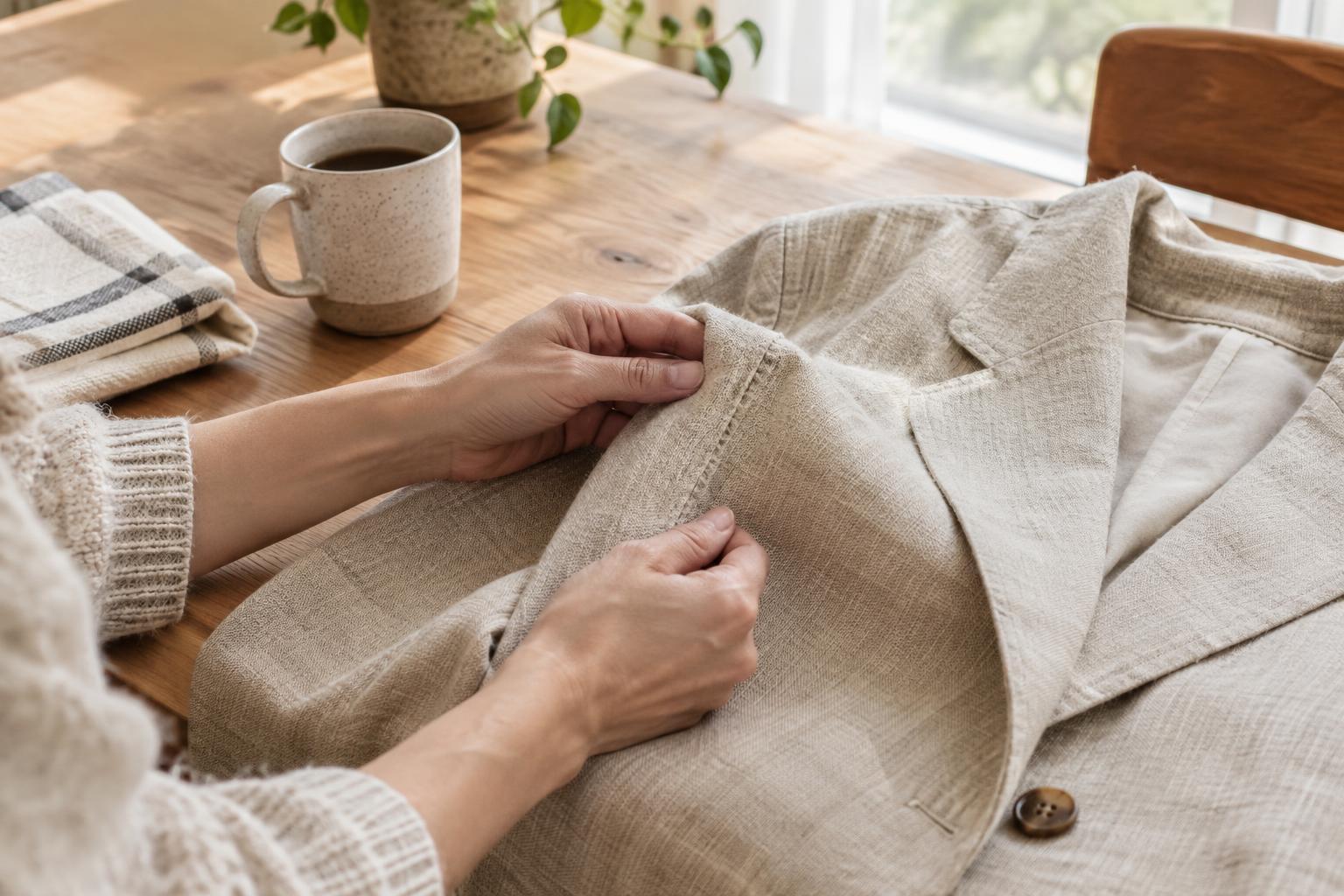
Before buying, picture an ordinary day with the item. Will you wear those shoes on the walks you actually take? Can you wash that fabric in a way that suits your household? Is there a convenient place to keep the kitchen tool? An item can be beautiful and still be a poor fit for your life. Details such as comfort, size, care and ease of use often matter more over time than novelty.
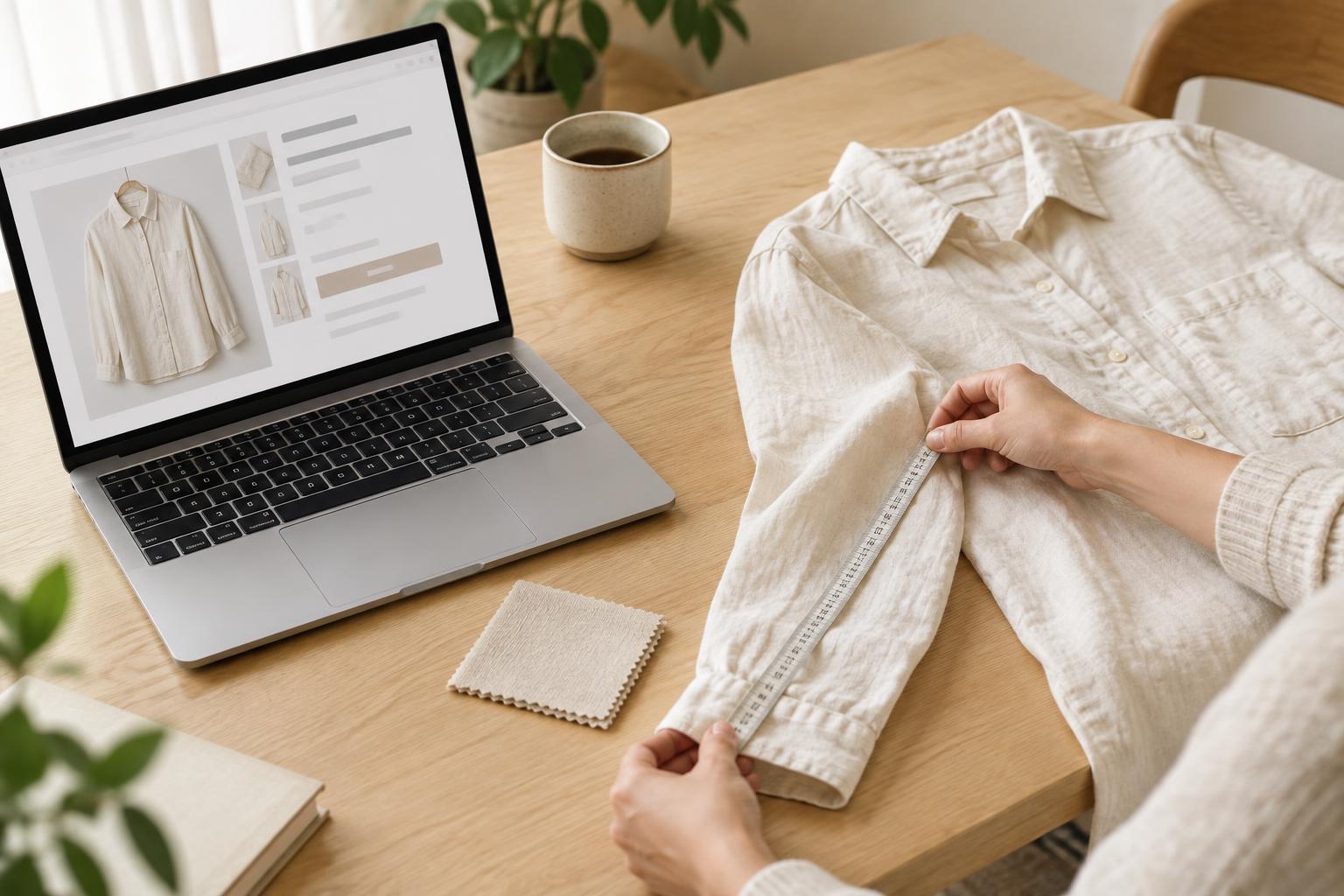
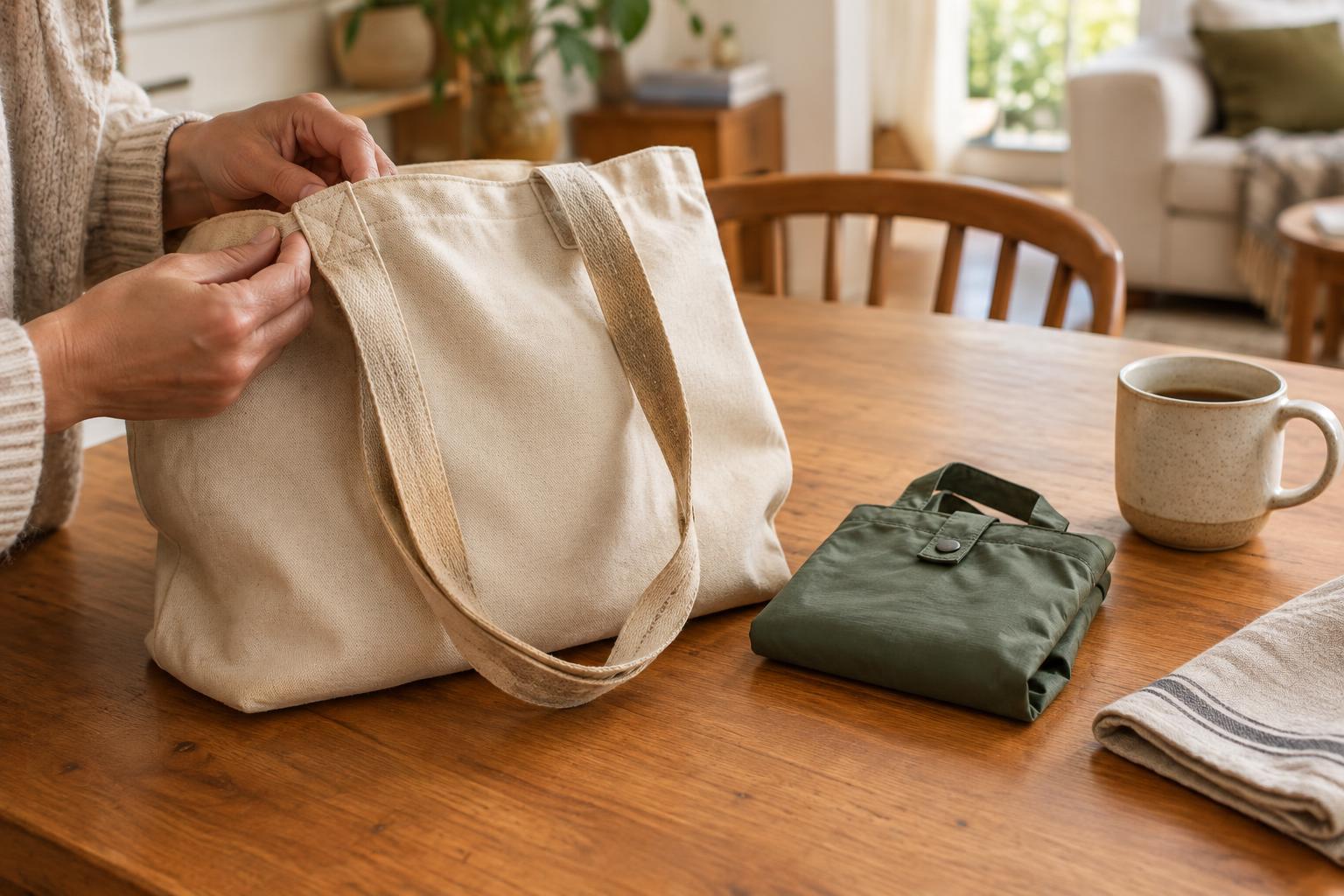
Try using a short list of requirements, with just a few things you know are important. For a work bag, that might be comfortable straps, room for your daily essentials and a closure you find easy to use. Check those requirements before weighing colors or extra features. If you shop secondhand, use the same approach: a lower price is only helpful if the item works for you. If you shop online, read measurements and return terms carefully rather than relying on photographs alone.
Make room for flexible, imperfect choices
Choosing deliberately does not mean always buying the longest-lasting or most expensive option. Your circumstances, budget and energy matter. Sometimes a modest purchase is the right one; sometimes borrowing, repairing or waiting works better. You can also decide that convenience or pleasure is worth paying for. The aim is to make that choice knowingly, not to follow a rule that ignores your day-to-day life.
After a purchase, pay attention to how it works in practice without treating the result as a verdict on your judgment. Did you use it as expected? Was anything unexpectedly inconvenient? Keep those notes in mind next time. Over time, small observations can help you recognize your preferences more clearly. Buying less then becomes less about restriction and more about giving your money, space and attention to things you are glad to use.