Start with the shared need, not the item
A new lamp, kitchen tool or entryway shelf may look like an easy improvement, but a shared-home purchase affects everyone who uses or moves around the space. One person may see a useful solution while another sees something to clean, store or work around. Before comparing products, describe the problem you hope the purchase will solve.
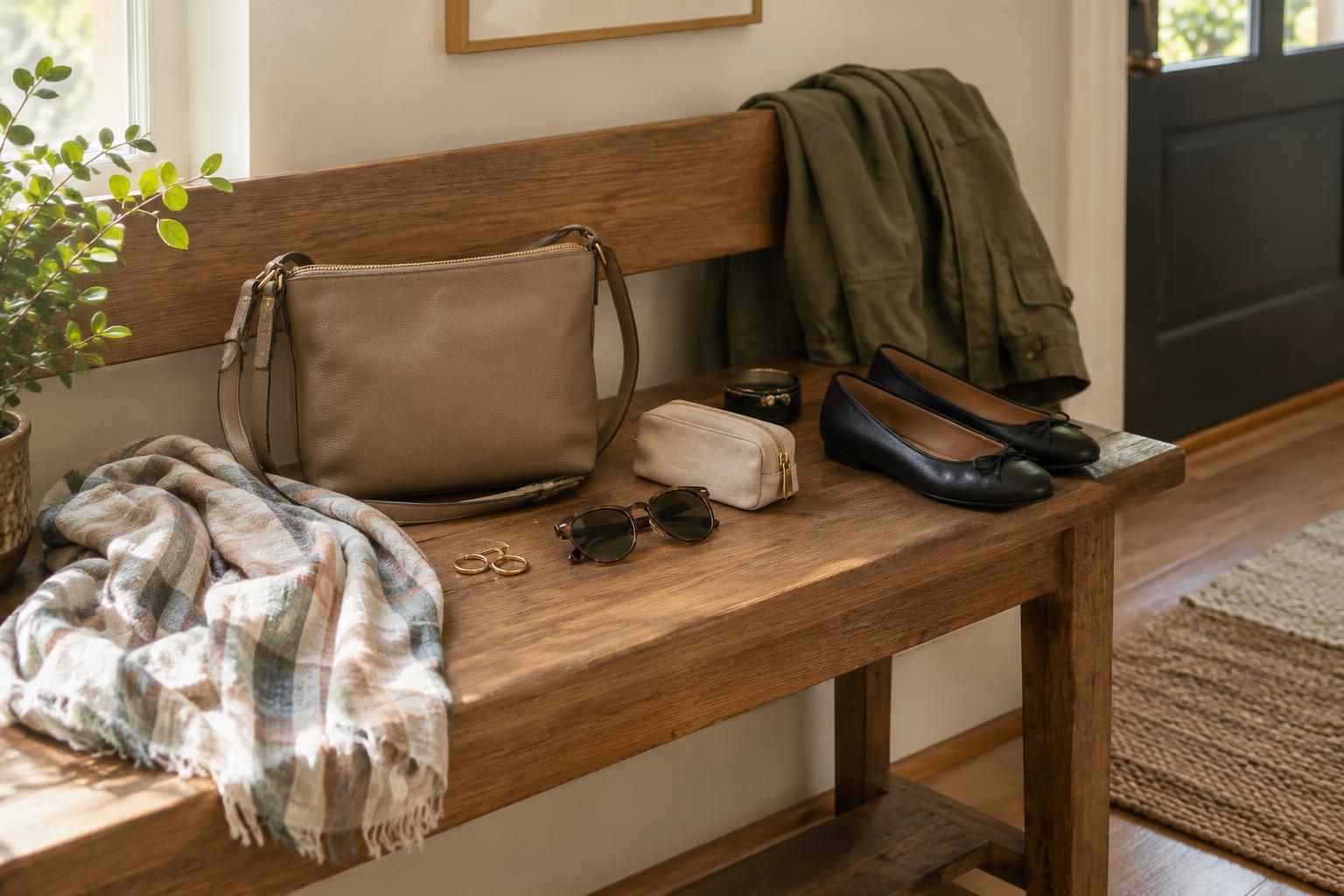
Keep that description specific. “We need a place for bags near the door” gives you more to work with than “We should improve the entryway.” Ask the people who use the space what is inconvenient now and what they already do to manage it. You may discover that moving a hook or clearing an existing shelf addresses the problem without buying anything.
Agree on what the item needs to do
Once you know the need, identify a few requirements together. For a shared kitchen item, these might include where it will be stored, whether everyone can use it comfortably and how much cleaning it requires. For a living-room purchase, the priorities might be size, ease of movement and how it works alongside furniture you plan to keep.
Separate essential requirements from preferences. A shelf that fits the available wall space may be essential; a particular finish may be negotiable. If preferences differ, look for the reason behind them. Someone who objects to an open shelf may be concerned about visible clutter rather than the shelf itself. Understanding that concern can lead to a better choice than simply voting on two products.
Test the fit in everyday life
Shared spaces often have competing uses. A table might serve meals, projects and occasional work; a hallway needs to accommodate people coming and going. Check the proposed item's dimensions against the space, including room to open doors, pull out chairs or reach nearby storage. Marking its footprint with paper or removable tape can make its effect easier to picture.
It also helps to walk through an ordinary day. Who will use the item, and when? Will it need to be put away after each use? Could its usual position block a route or take over a surface someone else relies on? This exercise does not predict every annoyance, but it can reveal obvious friction before you commit.
Decide who handles the practical details
Agreeing to buy an item is not quite the same as agreeing to live with it. Before ordering or bringing it home, discuss who will assemble or install it, where packaging will go and whether any existing item must move out. If the purchase needs regular cleaning, refills or other upkeep, make sure that work has a realistic place in the household's routine.
Be equally clear about payment. Shared use does not always mean an equal split is the right arrangement, especially if one person wants a particular upgrade or expects to keep the item later. A brief conversation about contributions and ownership can prevent an ordinary purchase from becoming a lingering point of confusion. The goal is an arrangement everyone involved understands, not a complicated set of rules.
Leave room to change your mind
If the household is uncertain, try a small, reversible version of the idea first. Rearrange what you own to see whether the proposed setup helps. Borrowing a suitable item, when practical, may also show how often you would use it. For a purchase you do make, keep the packaging and relevant return information until you know it works in the space.
After a little time, ask whether the item solved the original problem and whether it created a new one. A good shared purchase should make daily life easier without quietly shifting inconvenience onto someone else. That is a more useful measure of success than how appealing the item looked before it came home.