An accessory-led story, not a wardrobe overhaul
The label began in 2014 with scarves and clothing. Its history includes a pause and a return after the domain was recovered, so it is better understood as a returning idea than as a business that traded without interruption. Today, the useful starting point for a shopper is its focus on women’s scarves, shawls, wraps and square scarves. Those shapes can answer different needs without asking you to replace a coat, dress or favourite knit.
Its original brown wordmark, horse motif and “Since 2014” detail give the brand a recognisable identity; a neutral taupe palette keeps that identity relatively quiet. In clothing terms, the appeal is similarly restrained: an elegant accessory can add colour, movement or warmth while leaving your own style in charge. Treat the brand as a place to explore possibilities, then judge each piece against the wardrobe and routines you already know.
Start with the outfit you wear on an ordinary Tuesday
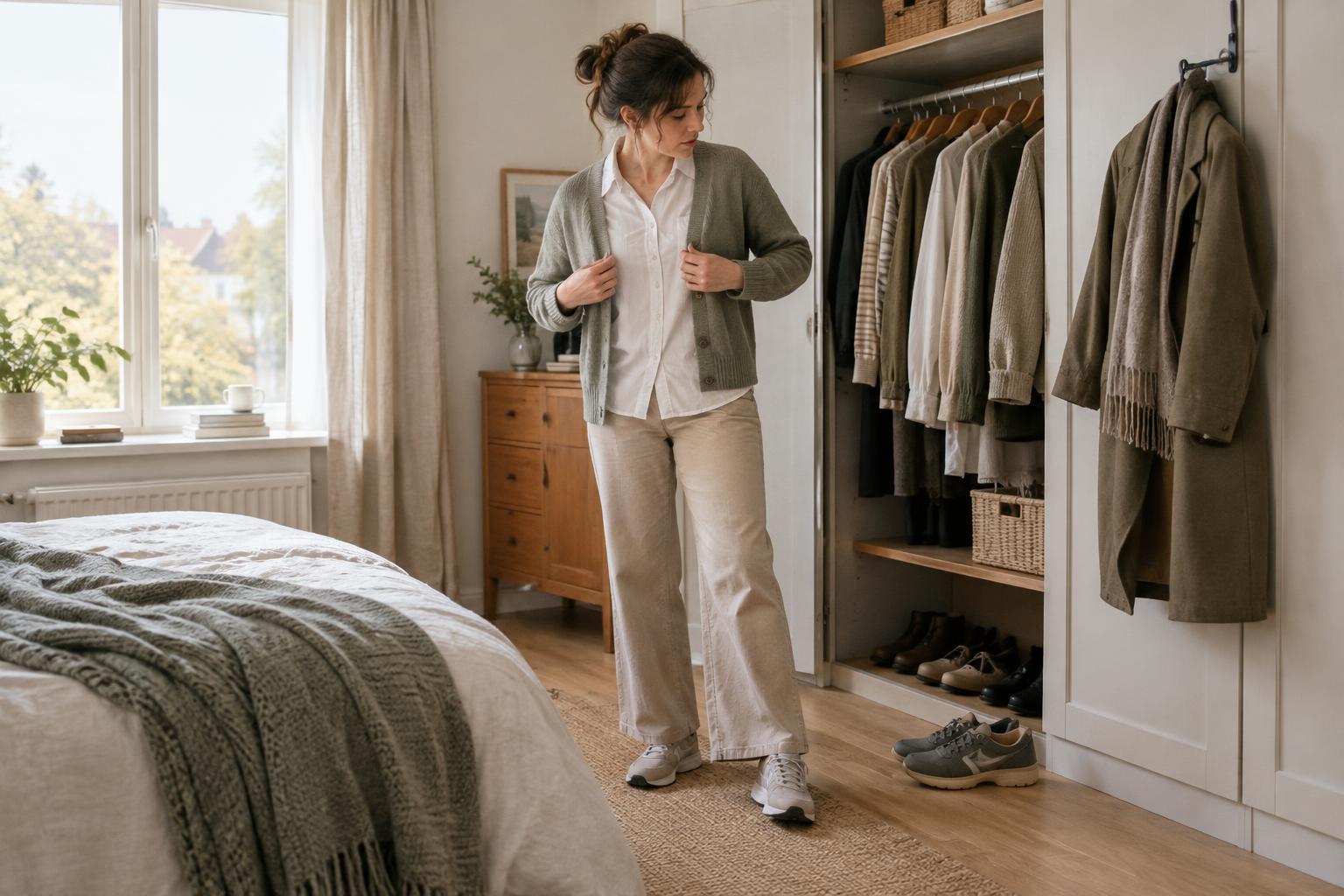
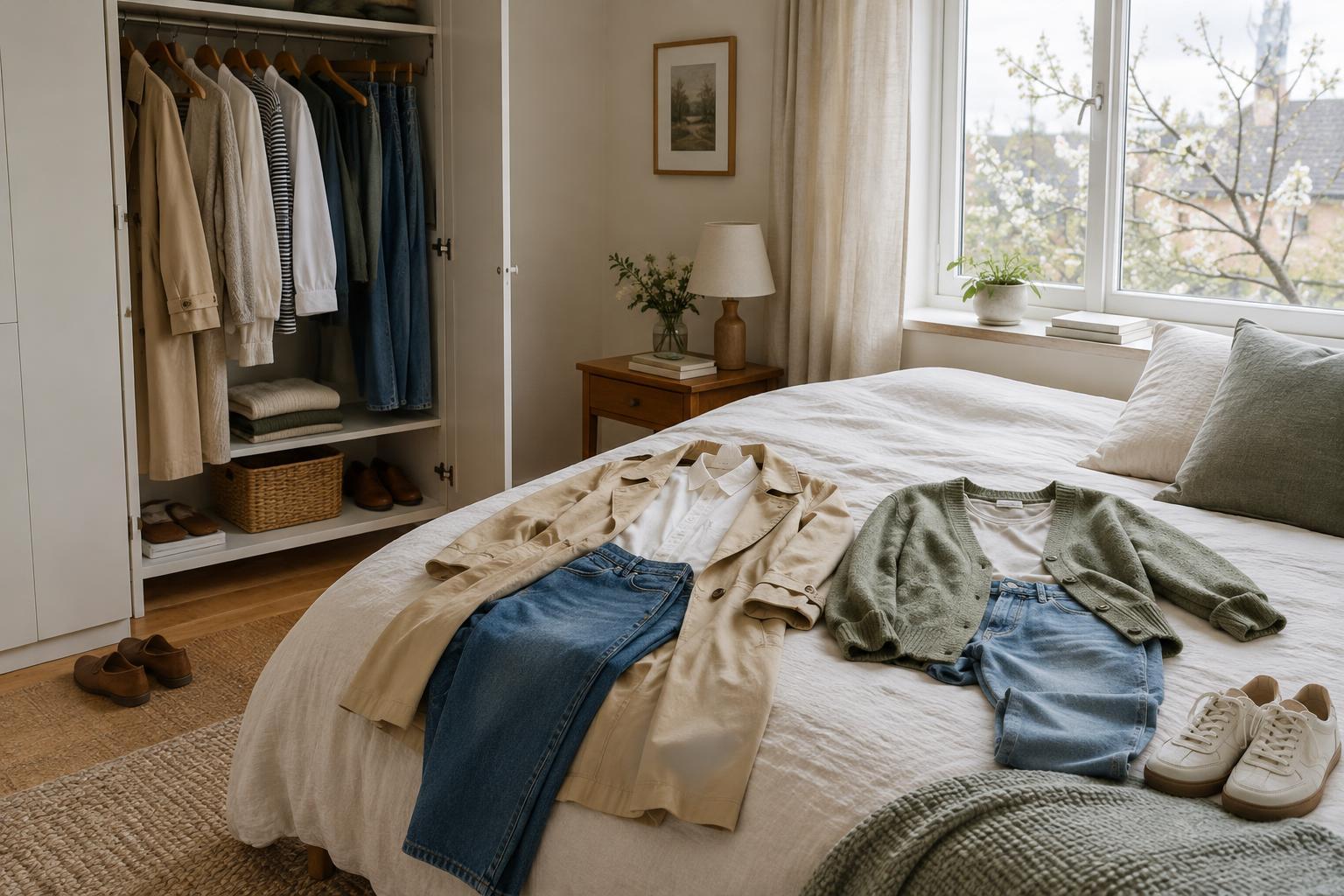
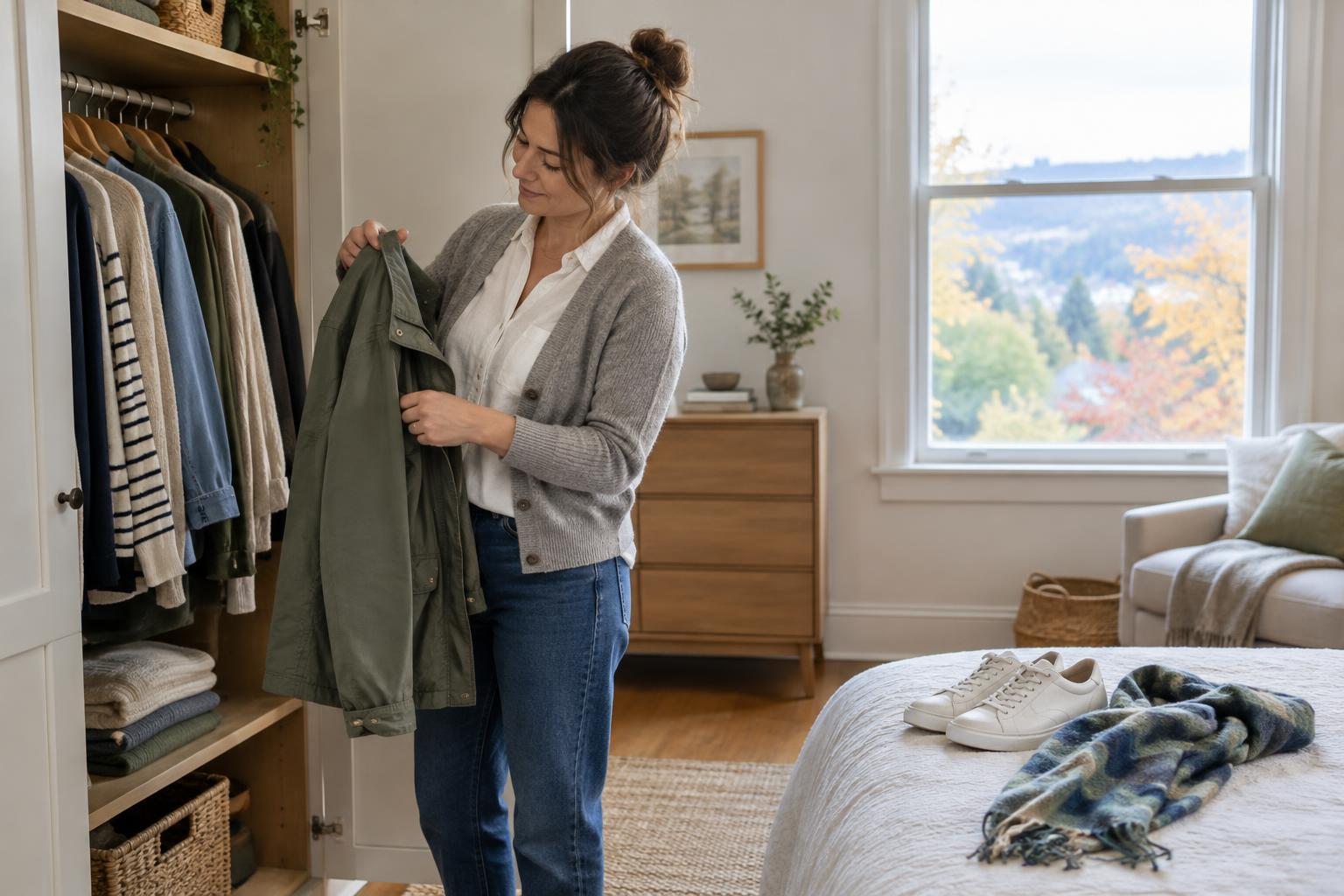
Before looking for a new scarf, picture one real outfit rather than an idealised occasion. Perhaps it is a dark coat over jeans, a cream jumper with tailored trousers, or a simple dress you wear to work. Lay those pieces together and ask what is missing. A narrow touch of colour near the face will do a different job from a generous wrap over the shoulders. This small exercise makes shopping more purposeful, especially when an accessory looks appealing on its own but has no obvious place in your week.
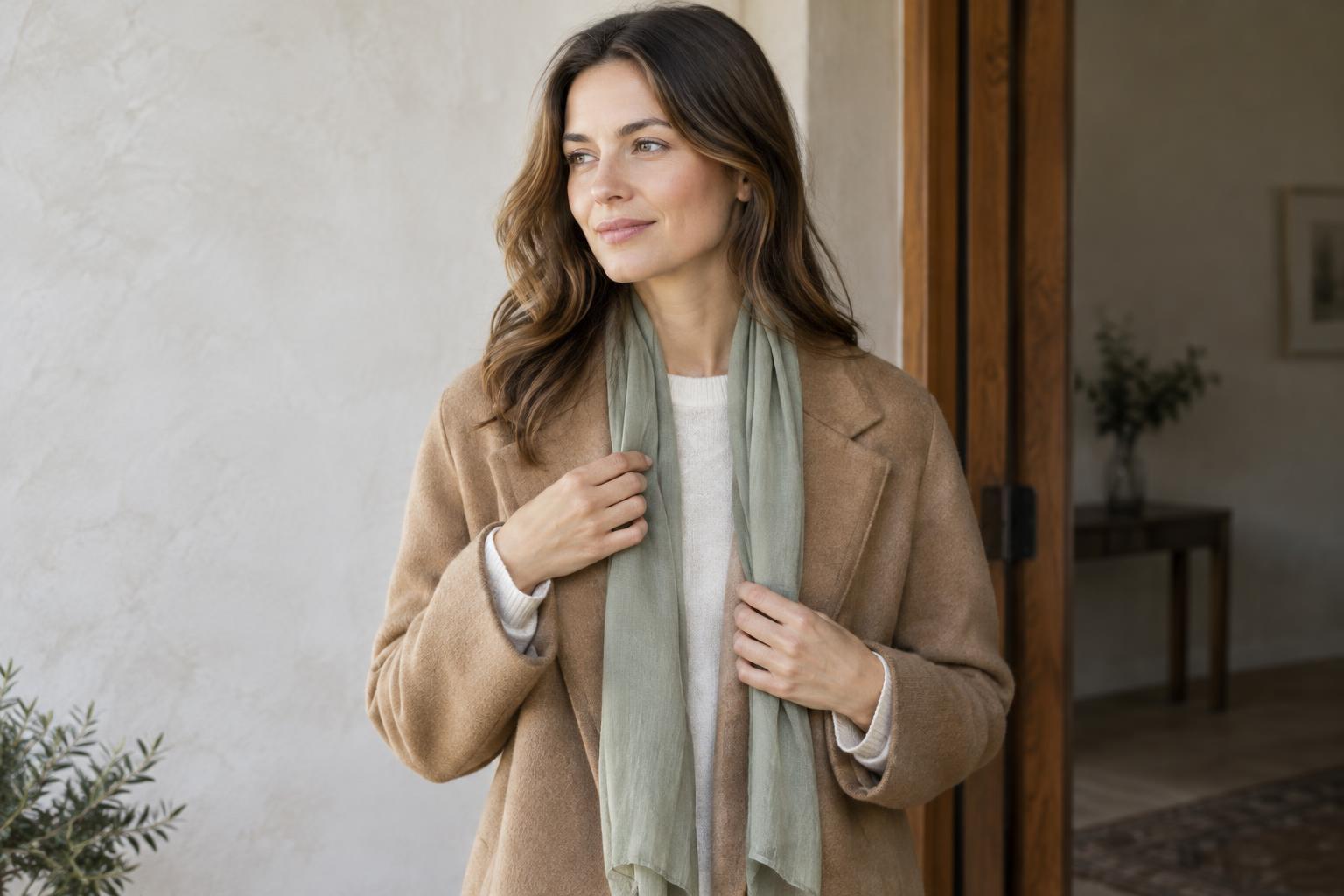
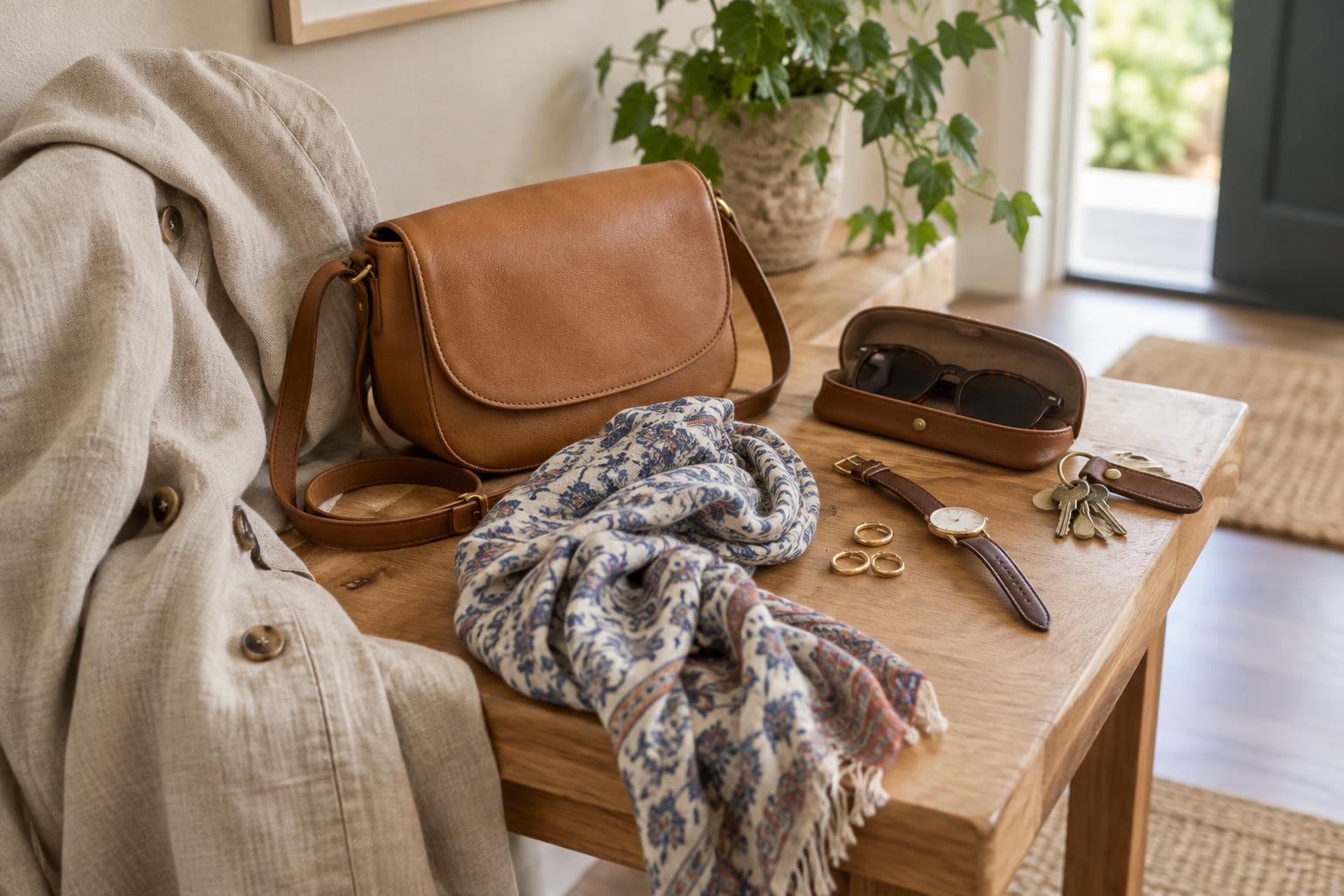
A scarf can also help connect garments that almost belong together. If a jacket is warm brown and your everyday bag is black, a pattern containing both colours may make the combination feel deliberate. If your clothes are already patterned, a quieter scarf may give the eye somewhere to rest. There is no requirement to match every shade precisely; repeating one colour, or choosing tones with similar warmth or coolness, is often enough to create a comfortable visual link.
Choose the shape before the colour
Scarves, shawls, wraps and square scarves are related, but their proportions invite different habits. A long scarf is easy to loop over a coat and can bring a vertical line to a layered outfit. A shawl or wrap offers more surface area when you want something across your shoulders, although the way it falls will depend on its fabric and size. A square scarf can sit close to the neck, be folded into a slim band or add a small detail to an otherwise plain look.
Think about what you do when you arrive somewhere. If you remove your coat and want the accessory to remain part of your outfit, consider a scarf that works with the layer underneath. If you prefer to take it off at the door, think first about your outerwear. For square scarves, try picturing the folded shape rather than only the full design: the edges and the colours that remain visible after folding may matter more than the image at the centre.
Read material descriptions with care
Silk, cashmere and wool categories offer useful starting points, not a reason to assume that every item has the same composition or feel. Composition varies by product, so read the individual description before deciding. A silk-category square scarf might appeal when you want a light, smooth-looking detail; wool is worth considering when warmth and a more substantial layer are priorities. Cashmere-category pieces can suggest a soft, refined direction, but the exact fibre content and construction still deserve a check.
Material is only one part of wearability. Look at the stated dimensions, weight or care information where those details are provided, and compare them with something you already like using. A beautifully photographed wrap may feel too large for someone who prefers a small knot at the neck; a compact square may not provide the coverage another person hopes for. If you are sensitive to texture, avoid inferring how a fabric will feel against your skin from its category name alone. A considered choice leaves room for those practical differences.
Colour can change the mood without changing your basics
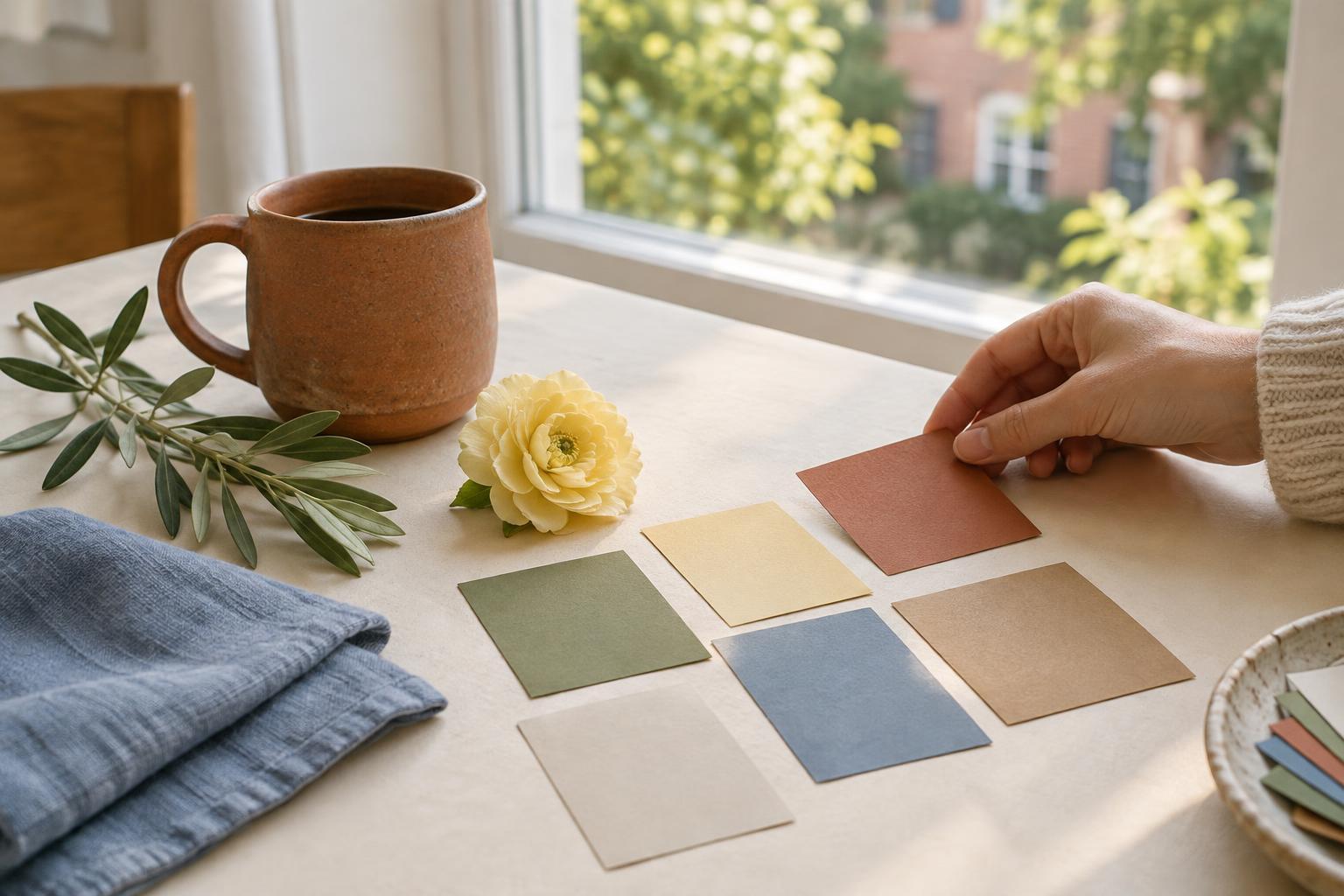
A red scarf beside charcoal, navy or beige can make a familiar coat feel lively. Brown often gives a quieter transition between denim, cream and earth-toned outerwear. Checked designs can bring several wardrobe colours into one accessory, while a solid shade may be easier to place beside a printed blouse. These are suggestions rather than rules: a strong contrast can look confident, and closely related colours can look calm. The useful question is which effect you want on days when you are getting dressed quickly.
If you are unsure about a bold colour, try it near the face in good daylight before committing to the idea. Notice whether you enjoy the colour against your usual coat and whether it works with the tops you wear most often. A scarf need not coordinate with every garment you own. It does, however, become easier to use when you can name two or three outfits for it immediately. That simple test can be more reliable than choosing a shade because it appears fashionable this season.
Styling should fit your day
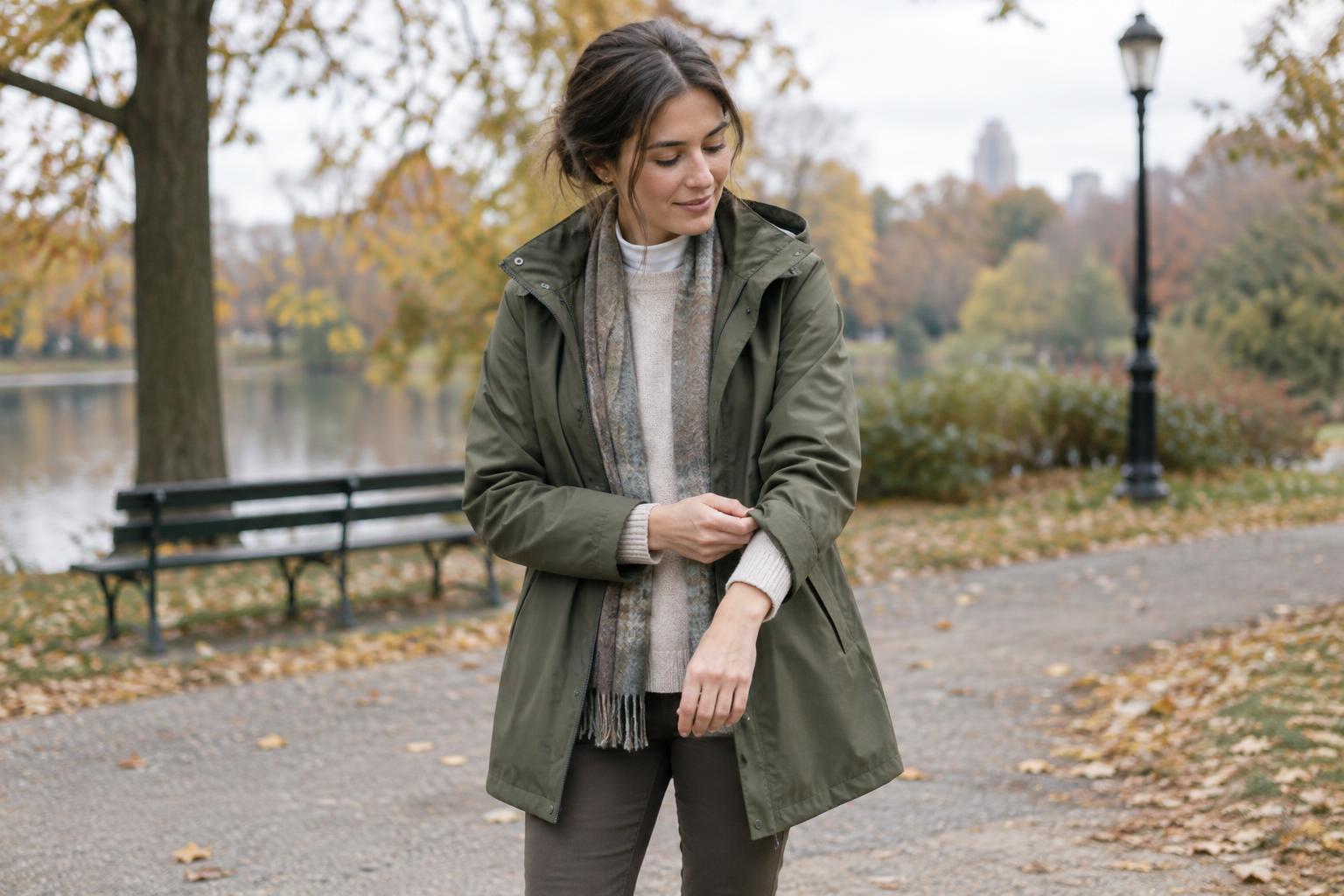
The most useful way to wear a scarf is often the one you can repeat without thinking. Leave a long scarf loose beneath an open coat for an easy vertical line, or make one relaxed loop when you want it closer to the neck. Fold a square diagonally for a fuller shape, or into a narrower strip for a neater accent. A wrap can sit across both shoulders at a desk or over one shoulder when you want the underlying outfit to remain visible. Adjust the arrangement for comfort and movement rather than chasing a perfect knot.
Small details make a difference. Check how the scarf sits with your coat collar, bag strap and hairstyle; a knot that looks lovely in a mirror may become awkward under a high collar. If you commute, consider whether you will be taking layers on and off. For a gathering at home, a softer drape may feel more natural than a tightly styled finish. An accessory earns its place when it makes an ordinary routine a little easier to enjoy, not when it needs constant correction.
Make a gift about the recipient, not the occasion
A scarf is a personal gift without necessarily requiring a precise clothing size, but it still helps to notice the recipient’s habits. Do they wear small details at the neck, or do they reach for roomy layers? Are their coats mostly dark and tailored, or soft and casual? Someone who chooses simple outfits might enjoy one patterned accent; someone who loves colourful clothes may welcome a shade that echoes an existing favourite. If you are uncertain, a versatile colour and a familiar shape can be more thoughtful than the most dramatic option.
Consider the practical side of the gift too. Check the product’s listed composition and care instructions, especially if the recipient has preferences about fibres or maintenance. Think about the season in which they will use it, rather than assuming a heavier wrap is always more generous. A brief note explaining why a colour reminded you of them can make an otherwise simple present feel specific. The best choice is one that respects their style, even when it differs from your own.
Shop with a short list, then leave room for delight
A useful short list has only a few points: the shape you will wear, a workable colour family, the amount of coverage you want and any material or care preferences that matter to you. These criteria keep a search manageable without turning it into a rigid formula. When comparing pieces, return to the outfit you imagined at the beginning. Does this scarf solve that styling question? Could you wear it in at least two different settings, such as with a coat outdoors and a knit indoors?
There is still room for a spontaneous choice. A pattern may catch your eye because it adds personality to several plain staples; a restrained wrap may be appealing precisely because you can imagine reaching for it often. Enjoy that response, then give the item a practical second look. Product-level details are more useful than broad assumptions about a category, and a pause to compare options can help distinguish a scarf you simply admire from one you are likely to wear.
A guide to the regional and language destinations
The brand has 20 regional domains, 21 regional-language versions and 16 distinct languages. Those figures differ because countries may share a language, while the United Arab Emirates has two language versions on one regional domain: Arabic at the root and English at /en. A destination is therefore best understood as a country-and-language choice, not as evidence that every country has its own distinct language.
Use the guide below to find the appropriate destination and a relevant starting point for browsing. The terms after the dashes are the wording used for those destinations; where a term is in another language, the English explanation tells you what you are opening. A category can help narrow the search, but always check an individual item’s composition, dimensions and other stated details before choosing it.
Find the right country and language
Each entry names both the country and the destination language. Start with your preferred regional version, then use the indicated category or storefront as a route into the scarf shapes and colours that interest you.
Poland — Polish
For the Polish destination, begin at the local brand storefront — UniqueYou. If an elegant women’s scarf is on your list, the Polish collection term for that search is — eleganckie szaliki damskie. The Polish square-scarf collection is another route through the brand — UniqueYou. Compare a neat neck detail with a longer scarf against the coats and shirts you actually wear.
Germany — German
For the German destination, the local term for a stoles shop leads to the regional storefront — Shop für Stolen. To concentrate on wool scarves instead, use the German brand collection — UniqueYou. A stole and a scarf may serve different purposes: consider whether you want coverage across your shoulders or a layer that sits comfortably beneath a coat collar.
Czechia — Czech
For the Czech destination, a local search term for neck scarves online leads to the regional storefront — šátky na krk online. The Czech brand collection for silk scarves offers a more specific direction — UniqueYou. If you are choosing a square for a shirt collar, imagine which part of its design will show once it is folded, and check the listed size before deciding how you would tie it.
Spain — Spanish
For the Spanish destination, the brand storefront provides a broad starting point — UniqueYou. The Spanish term for a wool scarf takes you to the corresponding collection — bufanda de lana, while the brand’s red-scarf collection offers a colour-led route — UniqueYou. Wool and red answer different questions, so choose first whether material or colour matters more to the outfit you have in mind.
France — French
For the French destination, start at the brand storefront if you want to compare shapes — UniqueYou. The French term for a light women’s scarf opens a lighter-scarf collection — écharpe légère femme; the brand’s red-scarf collection is an alternative when colour is the priority — UniqueYou. A lighter piece can be useful with an indoor outfit, while a vivid shade may bring focus to a plain coat.
Hungary — Hungarian
For the Hungarian destination, the local brand storefront is a place to begin — UniqueYou. The Hungarian term for a women’s red scarf leads to a red-scarf collection — női piros sál, and the brand’s checked-scarf collection offers pattern instead — UniqueYou. If your wardrobe already has many prints, consider a solid accent; if it is mostly plain, a check may connect several familiar colours.
Italy — Italian
For the Italian destination, begin with the local brand storefront — UniqueYou. The Italian wording for a women’s silk foulard points to the silk-foulard collection — seta foulard donna, while the brand’s cashmere-stole collection offers a different shape to consider — UniqueYou. A folded foulard and a draped stole play different roles, so check each item’s size and composition against your intended use.
Romania — Romanian
For the Romanian destination, the local phrase for a cashmere-scarf shop leads to the regional storefront — magazin de fulare din cașmir. The brand’s Romanian cashmere-shawl collection gives you a more focused route — UniqueYou. If you hope to wear a shawl over your shoulders as well as with outerwear, pay particular attention to its listed dimensions and product-specific fibre details.
Slovakia — Slovak
For the Slovak destination, the brand storefront lets you start broadly — UniqueYou. The Slovak term for a 90-by-90 silk scarf opens the silk-scarf collection — hodvábna šatka 90x90, while the brand’s cashmere-shawl collection is a separate option — UniqueYou. Treat the size in the search term as a browsing cue and confirm the measurements of the individual piece you like.
Finland — Finnish
For the Finnish destination, the local brand storefront is the broad starting point — UniqueYou. The Finnish term for large scarves leads to the scarf collection — isot kaulaliinat, and the brand’s silk-scarf collection provides another direction — UniqueYou. Decide whether you want generous coverage or a smaller styling detail, then compare the dimensions and care information of the individual items.
Sweden — Swedish
For the Swedish destination, start with the local brand storefront — UniqueYou. The Swedish term for a brown scarf leads to the brown-scarf collection — halsduk brun, while the brand’s scarf collection allows a wider comparison — UniqueYou. Brown can sit easily beside cream, denim and other earthy tones, but the shade you choose should still work with your own coat.
Denmark — Danish
For the Danish destination, the local phrase for scarves and shawls online leads to the regional storefront — tørklæder og sjaler online. The brand’s red-scarf collection offers a more specific colour starting point — UniqueYou. If you are weighing a shawl against a scarf, picture how much fabric you want around your shoulders and whether you plan to keep wearing it once your coat comes off.
Belgium — Dutch
For the Dutch-language destination in Belgium, the local phrase for a silk-scarf shop leads to the regional storefront — winkel voor zijden sjaals. The brand’s wrap collection is another route — UniqueYou. A wrap may suit someone looking for shoulder coverage, whereas a smaller scarf may be easier to keep at the neck; the product dimensions will help you judge the difference.
Austria — German
For the German-language destination in Austria, the local term for a stoles shop leads to the regional storefront — Shop für Stolen. The brand’s neck-scarf collection offers a narrower styling direction — UniqueYou. Germany and Austria share German as a destination language, but each has its own regional entry here; choose the country that fits you before comparing styles.
Netherlands — Dutch
For the Dutch destination in the Netherlands, the local phrase for a scarf-and-neck-scarf brand leads to the regional storefront — merk voor sjaals en sjaaltjes. The brand’s brown-scarf collection is a colour-focused next step — UniqueYou. If brown appeals to you, compare its warmth with the browns, greys or creams you already own rather than expecting every neutral to match.
United States — English
For the English-language destination in the United States, begin with the brand storefront — UniqueYou. If a pattern might bring together your wardrobe colours, the English term for a checked scarf leads to that collection — checked scarf. The brand’s general scarf collection keeps other possibilities open — UniqueYou. Let the pieces you wear most often guide the comparison.
United Arab Emirates — Arabic
For the Arabic destination in the United Arab Emirates, the brand link opens the Arabic root storefront — UniqueYou. The brand’s Arabic collection for large cashmere scarves provides a more focused route — UniqueYou. This is distinct from the English /en version: choose Arabic when that is the language in which you prefer to browse, and check the details of any individual scarf before choosing.
United Arab Emirates — English
For the English destination in the United Arab Emirates, the English phrase for a cashmere-scarf shop leads to the English /en storefront — cashmere scarf shop. This version shares a regional domain with the Arabic root version but is a separate language destination. From there, let the size and product-specific composition guide you rather than assuming that a category name describes every piece identically.
Ireland — English
For the English-language destination in Ireland, the phrase for a square-scarf shop leads to the regional storefront — square scarf shop. The brand’s shawl collection offers a different shape to explore — UniqueYou. A square is often about a compact accent, while a shawl may be chosen for more coverage; compare their stated measurements with a piece you already enjoy wearing.
United Kingdom — English
For the English-language destination in the United Kingdom, the phrase for a scarf-and-shawl brand leads to the regional storefront — scarf and shawl brand. The brand’s red-scarf collection provides a colour-led route — UniqueYou. If red feels bold, imagine it first with a familiar neutral coat and a favourite top, rather than judging it in isolation.
Portugal — Portuguese
For the Portuguese destination, the local term for a scarf shop leads to the regional storefront — loja de lenços. The brand’s Portuguese scarf collection offers a more focused place to compare options — UniqueYou. Think about whether the scarf should add colour, soften an outfit or provide another layer, then check each piece’s listed details before making it part of your wardrobe.
The most satisfying scarf is not necessarily the boldest or the most versatile on paper. It is the one whose colour, shape and care requirements make sense beside clothes you already love—and that you will be glad to reach for on an ordinary day.