Begin with the parts of the home you actually use
It is tempting to think about a rental as one big decorating project, especially when the walls, flooring or fixtures would not have been your choice. A more useful starting point is to notice where you spend time. Perhaps you read on the sofa, make tea at the kitchen counter or get ready beside a bedroom mirror. Choose one of those places and ask what would make it easier or more pleasant to use. A lamp within reach, a clear surface for your cup or a place to set down a book can make a difference before you buy anything decorative.
Work with what is already there, too. Moving a chair closer to a window, giving a neglected corner a purpose or clearing space around the entryway can change how a room feels without changing the room itself. Live with each adjustment for a few days. This keeps the process manageable and helps you avoid buying solutions for problems that a simple rearrangement could solve.
Use textiles to soften what you cannot change
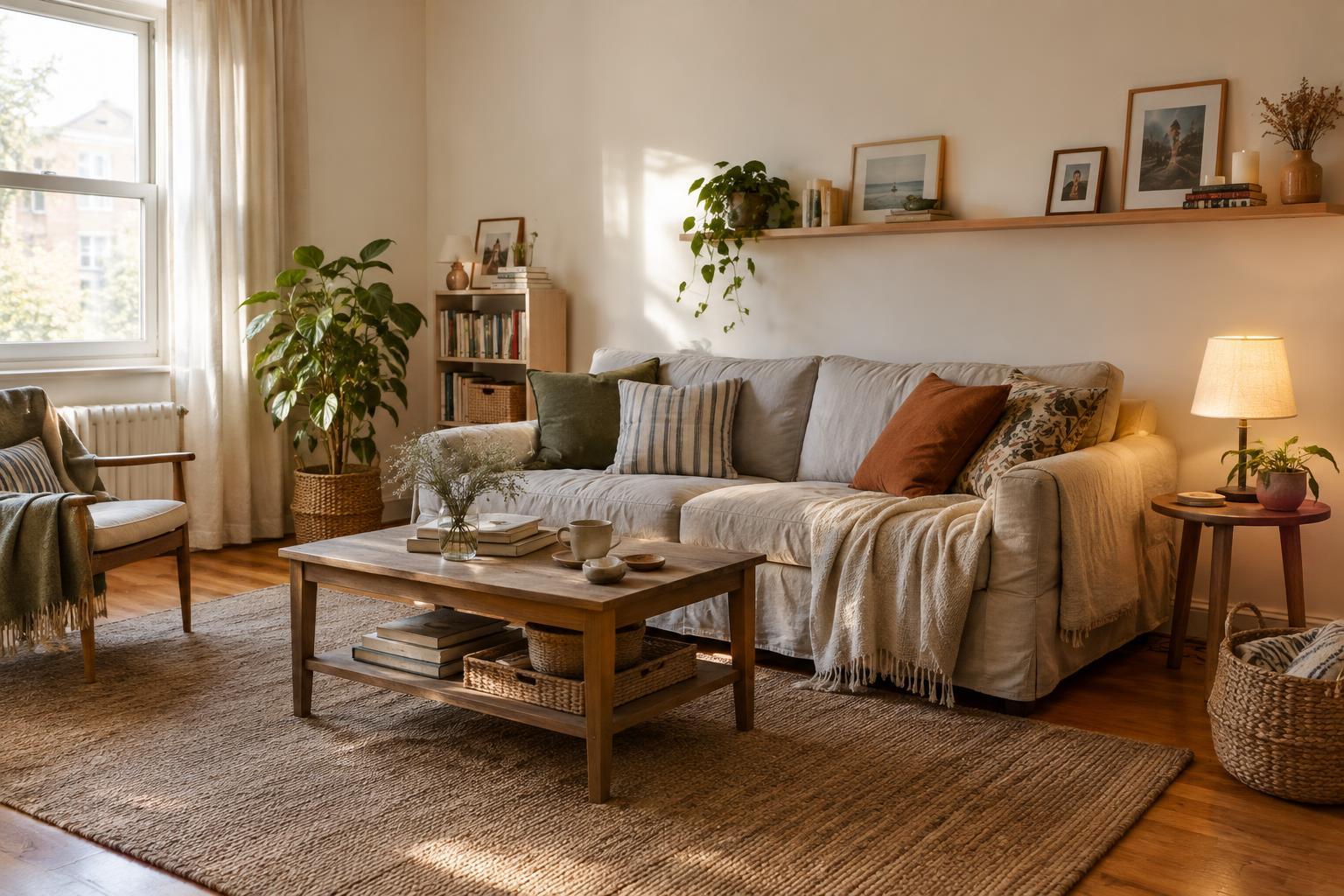
Textiles are especially helpful when the fixed finishes of a rental feel plain or mismatched. A washable throw can make a sofa more inviting; cushions can add color without committing an entire room to it. In a bedroom, bedding you enjoy seeing and using often has more impact than small ornaments scattered across every surface. If the floor needs warmth, a rug can define a seating or bedside area while giving your feet a softer landing.
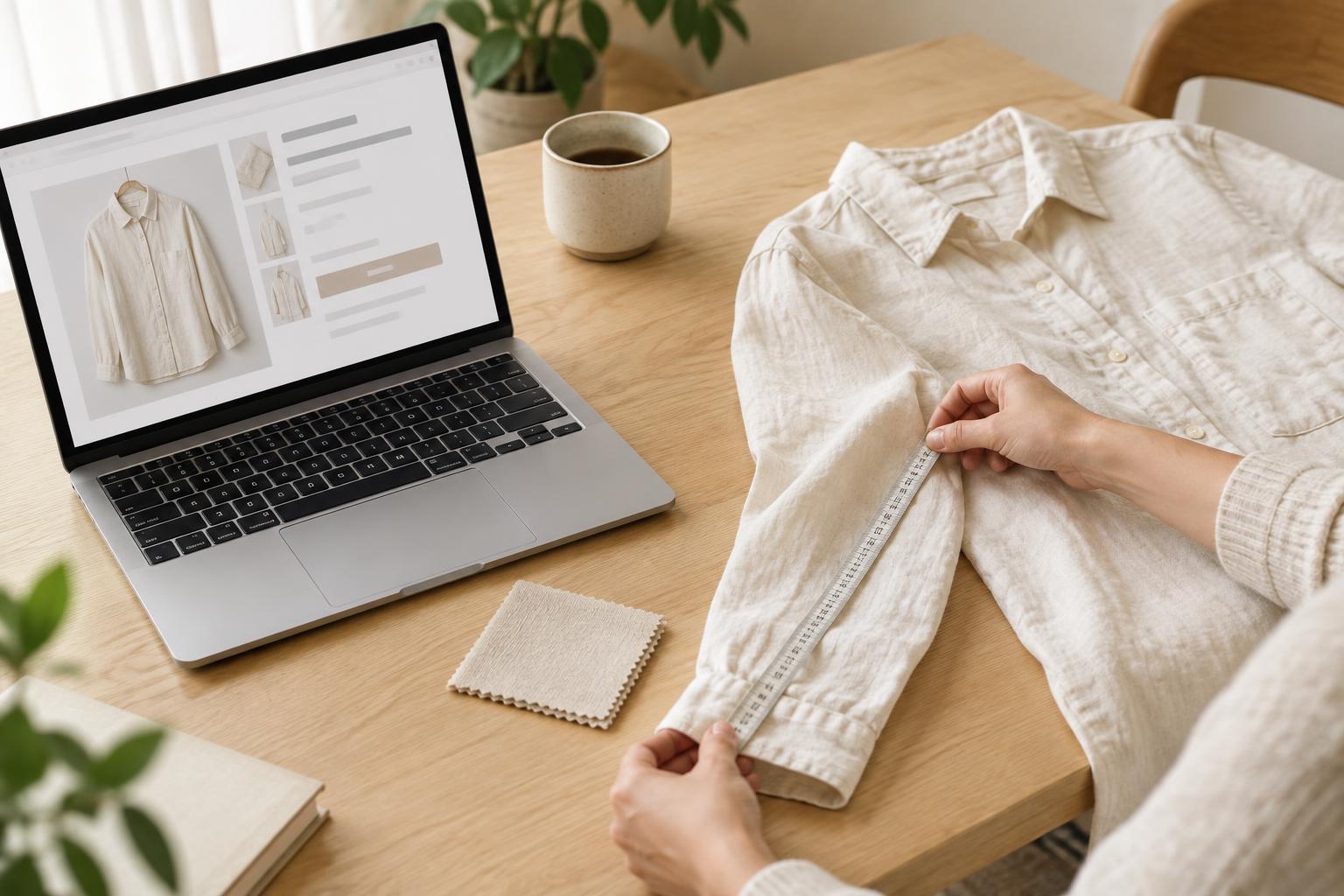
Choose pieces for the way you live, not just the way they look in a photograph. Check rug dimensions with a tape measure, leave doors enough clearance to open and consider a suitable nonslip underlay where needed. Curtains can add softness and privacy, but check the window and any existing fittings before choosing a hanging method. If a change requires attaching something to the property, consult your rental agreement and ask for permission rather than assuming it will be easy to reverse.
Make lighting feel welcoming and useful
A room with only one overhead light can feel stark in the evening. Portable lamps let you place light where you need it: beside a chair, on a desk or near the bed. Try illuminating the activities that happen in a room instead of trying to brighten every corner equally. A reading light can make a quiet spot more useful, while a small table lamp can make an otherwise bare surface feel intentional.
Look for lighting that fits the space and the outlets already available. Keep cords out of walkways, use bulbs suited to the fixture and avoid overloading sockets. If you prefer a softer atmosphere, a different compatible bulb or a lamp shade may be enough. You do not need elaborate equipment or a matching set of lamps; a few practical sources of light can make the room more comfortable at the times you use it most.
Display personal things without filling every wall
Personal objects often do more to make a rental feel like yours than a new decorating theme. Put a photograph in a freestanding frame, keep a favorite book within reach or display a piece of pottery you use regularly. A small group on a shelf, mantel or sideboard gives those things room to be noticed. Rotate items when you want a change rather than finding a place for everything at once.
For artwork, consider leaning framed pieces on stable furniture or using an existing picture rail or approved hook. Removable hanging products are not suitable for every surface and may still leave marks, so check their instructions, weight limits and your rental terms before using them. The aim is not to cover every blank wall. A few visible reminders of people, places and interests you care about can give a space character without making packing or maintenance harder.
Create a sense of ease with storage and small routines
A rental feels more settled when everyday items have somewhere convenient to go. A basket by the sofa can hold a blanket; a tray near the door can catch keys; a freestanding shelf can keep frequently used kitchen items accessible. Before adding storage, sort through what the area needs to hold. A container helps most when it supports a habit you already have, rather than becoming another place to put things out of sight.
Finally, give the space a few familiar rhythms. Open the curtains in the morning, put on a lamp when you return home or keep a clear spot for an evening drink. These choices cost little and help you experience the home as a place to live, not just a property you cannot alter. You can make a rental feel more like home gradually, one useful corner and one comfortable routine at a time.