Choose the sleeping spot together
A living room, study or dining nook can become a temporary sleeping area, but the most convenient spot for you may not be the best one for your guest. Think about where household members will walk in the evening and early morning. If you have a choice, offer the place with the least foot traffic, manageable light and enough room to get up without navigating around furniture.
Ask about preferences before arranging everything. Some guests may be happy on a sofa; others may prefer an air mattress or a firm sleeping surface if you have one available. You do not need to offer a perfect setup. It helps more to be clear about what you can provide, so your guest can decide whether to bring anything that makes sleep easier for them.
Make the temporary bed easy to use
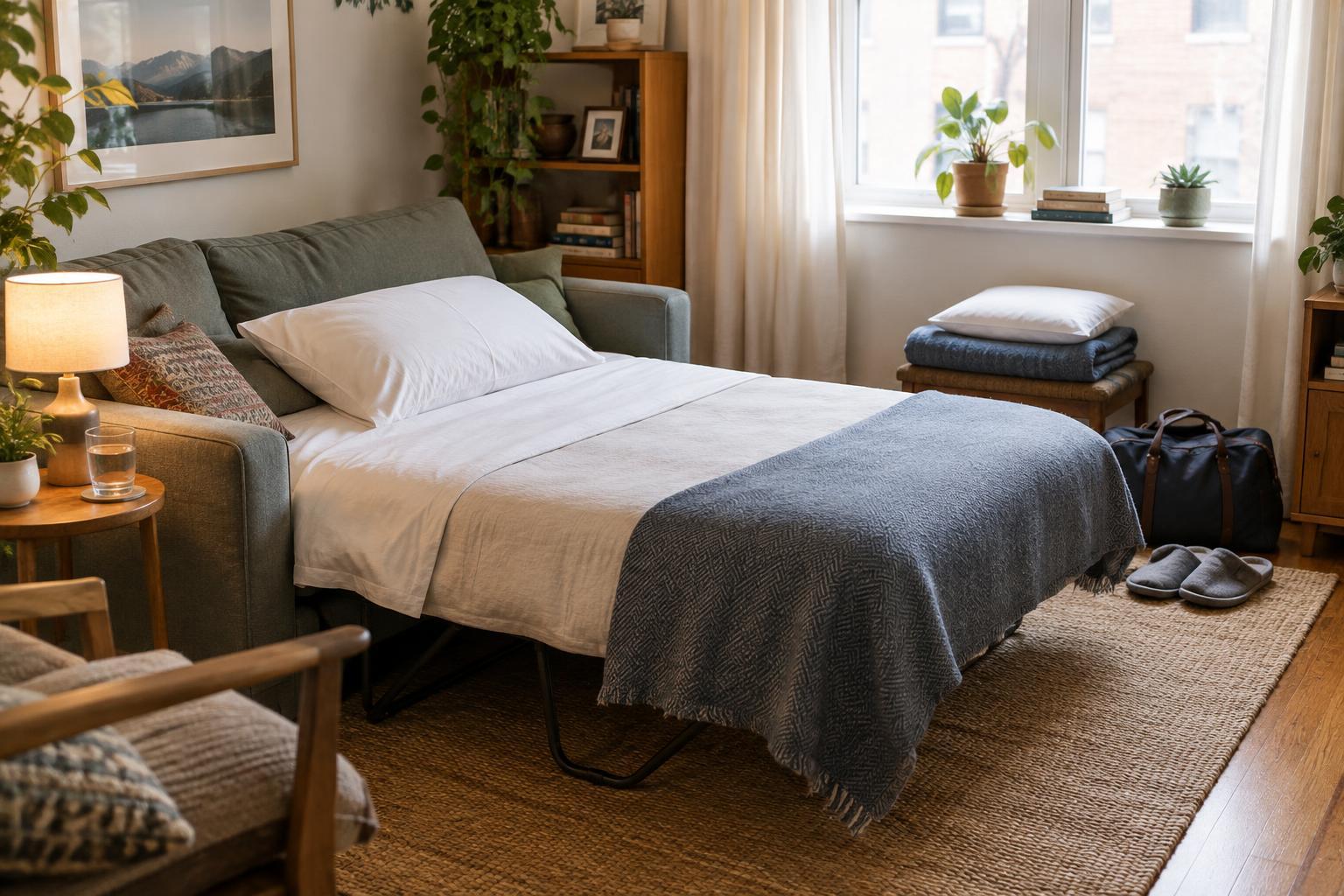
Set up the bed before your guest is ready to turn in, if the room allows it. This avoids moving furniture and finding linens when everyone is tired. Clear a stable place within reach for a phone, glasses or a glass of water. A small table works well, but a cleared shelf or sturdy stool may do the job. Leave a clear route to the bathroom, especially if the room will be dark.
Consider what the space will feel like at bedtime rather than how it looks during the day. A lamp your guest can switch off from near the bed is helpful. Curtains or blinds may provide enough privacy; if they do not, ask whether your guest would prefer another arrangement. Keep a spare blanket nearby so they can adjust their own comfort without having to wake you.
Give belongings a place to land
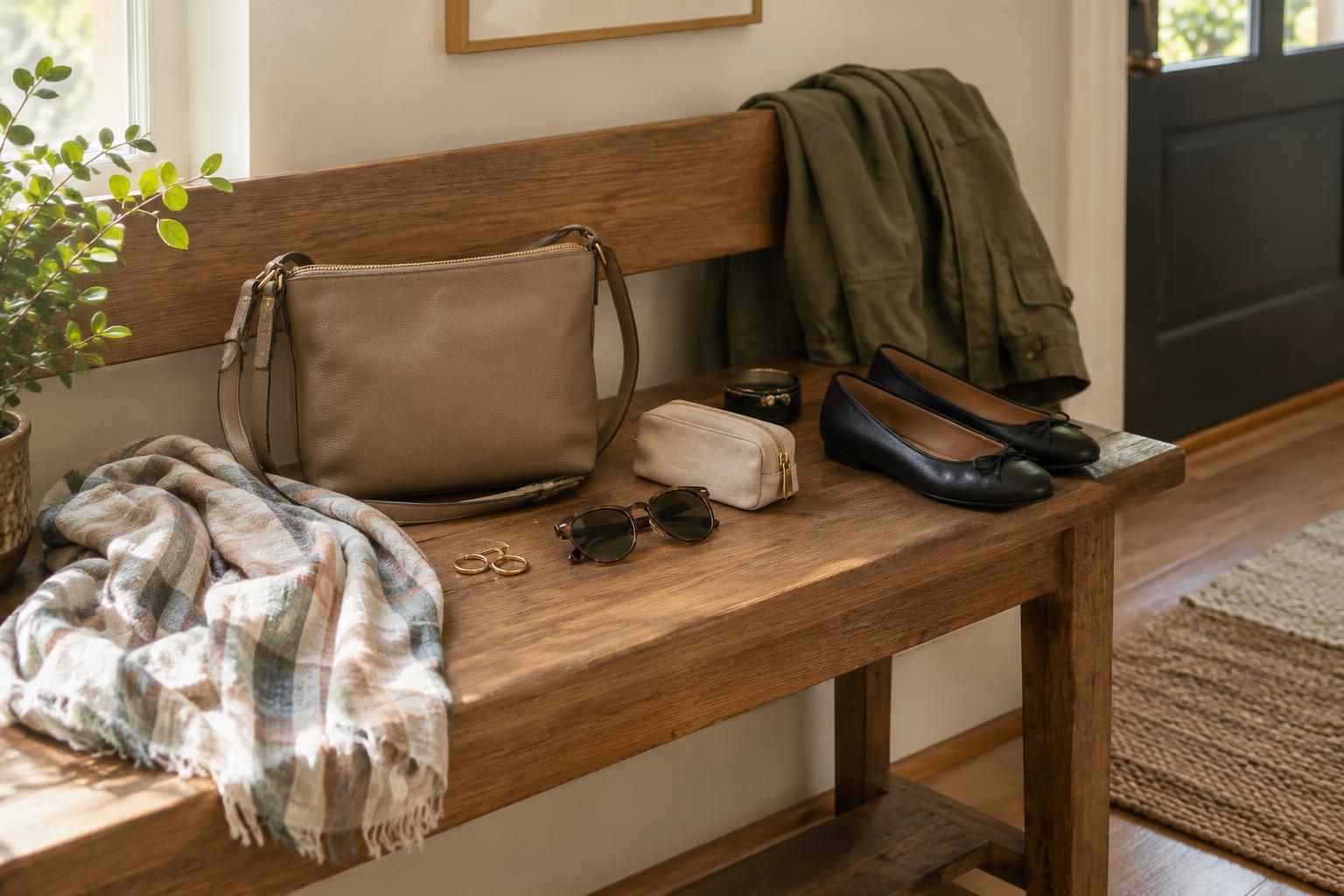
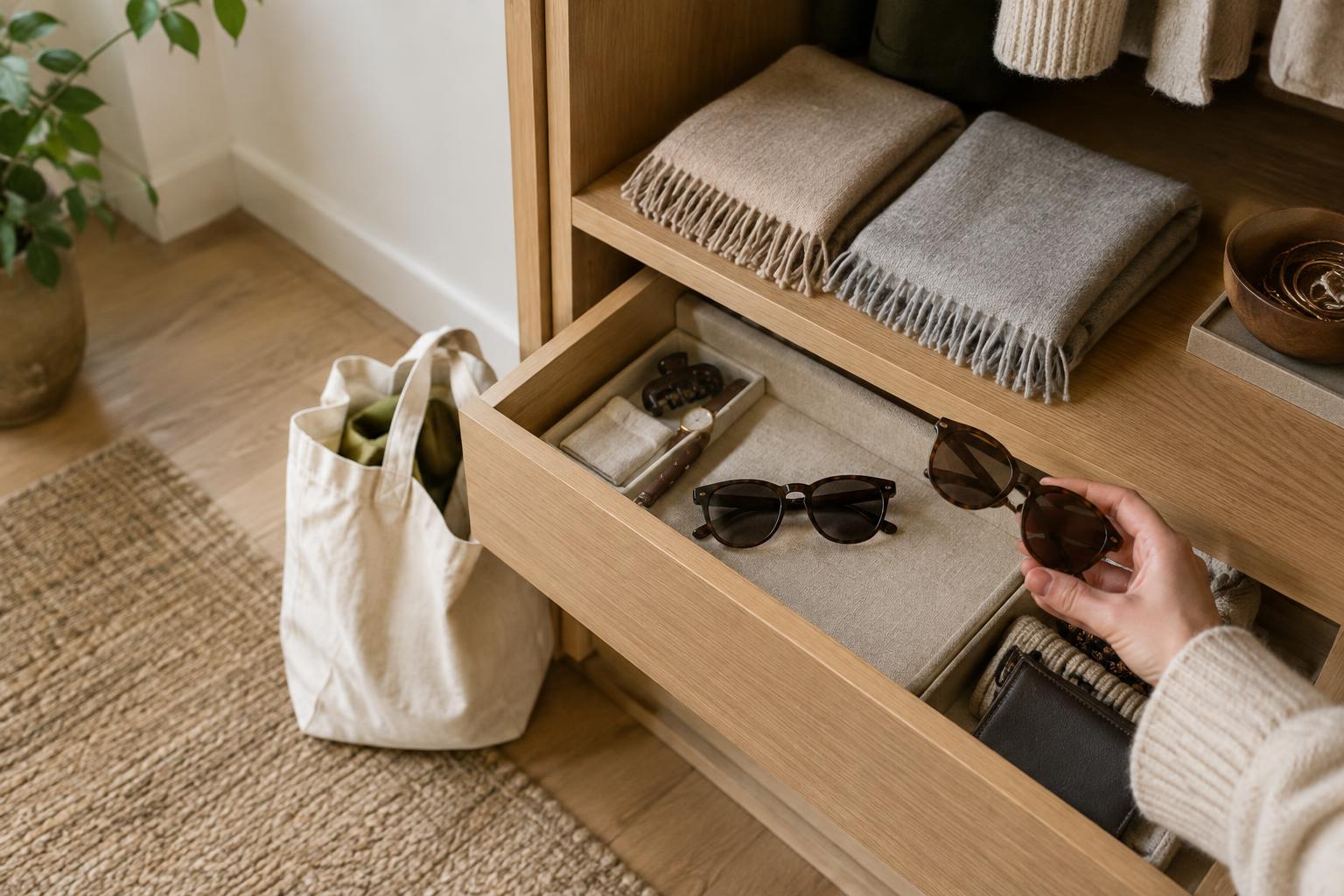
Guests should not have to keep everything in a suitcase on the floor. An empty chair, a cleared drawer or a section of a shelf can give clothes and small belongings a home for the night. Add a hook for a coat or bag if one is available. The aim is not to create a miniature hotel room; it is to make ordinary tasks, such as finding clean clothes in the morning, less awkward.
A quick orientation can be more useful than a collection of extra supplies. Show your guest where towels are, which bathroom items they are welcome to use and where to find a drinking glass. If a door sticks or a light switch is hard to spot, mention it. Small explanations let guests manage their own needs without repeatedly asking for help.
Agree on how the shared space will work
When someone sleeps in a room you normally use, a little coordination protects everyone’s comfort. Let your guest know when others usually pass through the space and ask what time they expect to turn in or wake up. You may be able to move an early-morning task to another room, or set out what you need before bedtime. These adjustments are often easier than trying to make a shared room completely private.
It is also fine to explain what you cannot change. If the kitchen opens directly onto the sleeping area or a household member needs to leave early, say so in advance. Clear expectations give your guest room to choose how they would like to handle the morning. Hospitality does not require pretending that your home works differently from the way it does.
Plan a gentle morning reset
Decide where bedding can go once your guest is up, especially if the room needs to return to everyday use. A basket for folded linens or a clear corner for an air mattress keeps the transition simple. There is no need to rush a guest out of the space; having a plan just means nobody has to solve the puzzle over breakfast.
After the visit, notice what felt easy and what caused repeated shuffling. Perhaps a nearby outlet would help, or one shelf could stay clear for future visits. Make one small adjustment rather than buying a set of guest-only items. If you enjoy adapting shared rooms as the seasons change, browse Seasonal Projects · Room for Nature for more ideas to explore at your own pace.