Start with what is available, not what you wish you could spend
A new jacket, a lamp for the living room or a coffee with a friend can all add something pleasant to everyday life. They can also compete for the same limited amount of money. A flexible budget gives these purchases a place in your plans without requiring you to predict every choice you will make.
Begin by looking at what comes in and what already needs to go out. Account for essential bills, groceries, transport and any commitments you have chosen to prioritize before deciding what may be available for nonessentials. If your income or expenses vary, use a cautious estimate rather than a particularly good month. Some months, the amount left over may be small or nothing at all; that is useful information, not a failure.
Choose a spending pool that can change
Instead of setting a separate limit for every possible treat, consider one pool for optional purchases. It might cover clothing, accessories, home details, hobbies and outings. This makes it easier to respond to real life: replacing worn-out everyday shoes may matter more this month than buying another cushion.
Choose an amount that feels manageable alongside your other priorities, then treat it as a starting point rather than a permanent rule. You could check it once a month or whenever your circumstances change. If an unexpected expense comes up, reduce or pause the pool without trying to make up for it later. If there is more room than usual, you can decide whether to spend, save or leave the decision for another month.
Make room for occasional bigger purchases
A flexible budget need not mean that every purchase fits within a single month. If you know you would like a winter coat, a comfortable chair or a useful kitchen tool, give that item its own place on a wish list. Note a price range you would be comfortable with and set aside part of your optional spending pool when you can. This helps distinguish a planned purchase from a tempting one you happened to see today.
Keep the list short enough to be helpful. For each item, ask what it would do in your daily life and whether you already own something that serves the same purpose. A purchase may still be worthwhile simply because you enjoy it; the point is to make that choice deliberately. If another priority becomes more important, you can change the list without feeling that you have broken a promise to yourself.
Use a pause that suits the purchase
Not every small pleasure needs a lengthy debate. A brief pause is most useful when a purchase would take a noticeable share of your available pool. Before buying, check the full cost, where the item will live and how you expect to use it. For clothing, think about what you would wear it with. For home goods, consider whether it solves a practical problem or simply adds more to maintain.
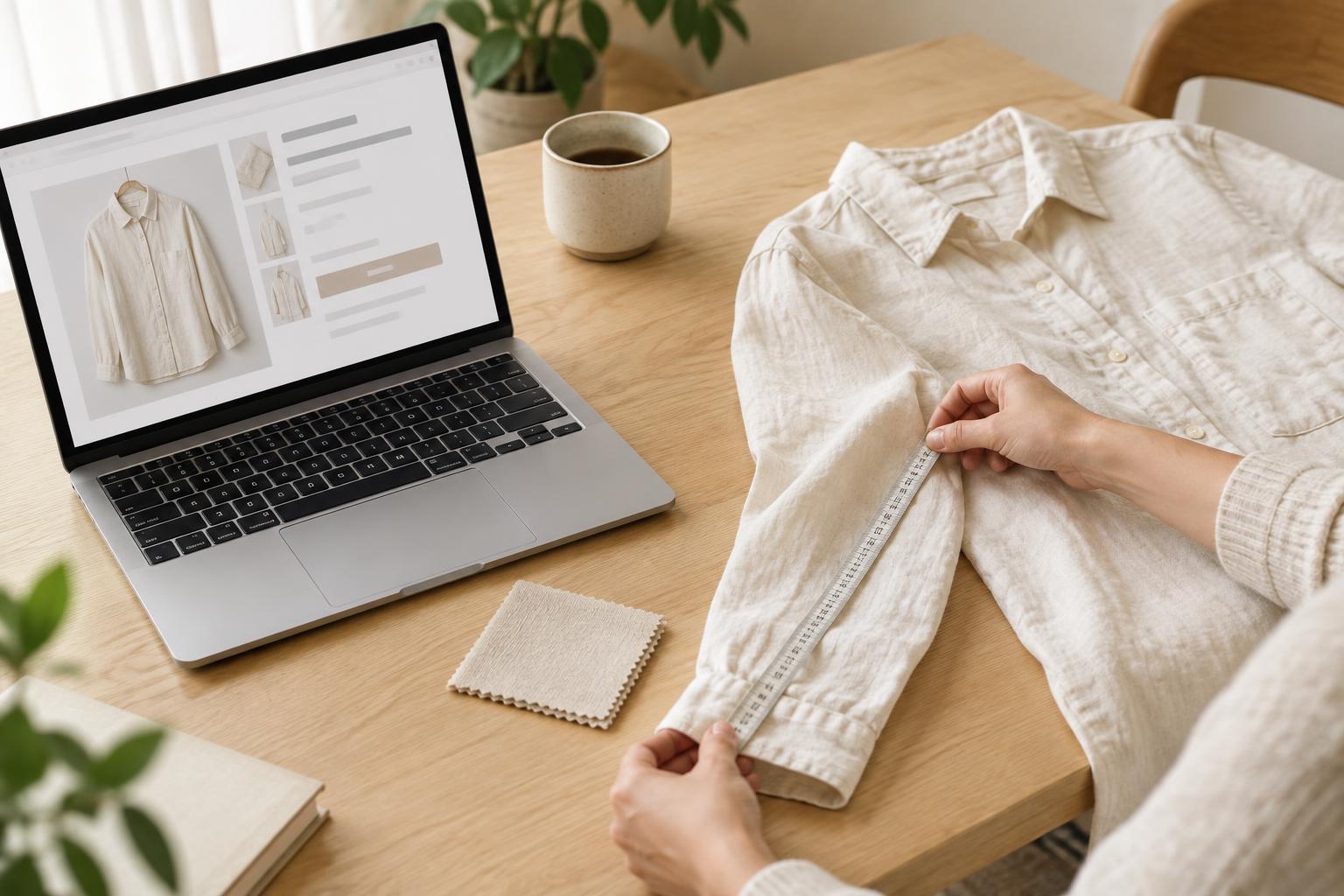
You can also leave an item on your list for a few days and see whether you still want it. This is not a test of willpower; it gives you time to compare your interest in the item with your other plans. If you decide to buy, check details such as size, care needs and the seller’s return terms so the purchase is more likely to work for you.
Review the plan without judging yourself
At the end of a month, look back at what you bought and how those choices felt. Did an accessory make getting dressed easier? Did a home purchase earn its space? Was an outing more satisfying than an object you nearly ordered? Your answers can guide next month’s pool and help you notice which kinds of spending add value to your life.
A flexible budget works best as a tool for decisions, not a scorecard. If you spent more than planned, identify what changed and decide what, if anything, needs adjusting. If you spent less, you do not have to use the remainder right away. Leaving room to reconsider is part of the plan: it lets thoughtful shopping reflect your needs as they are now, rather than a rule you made before the month began.