Start with a useful sort
The change between seasons is a good time to look at what you actually wore. Before packing anything away, gather the clothes you expect to store and separate them from pieces that still suit the weather. Keep a light layer or two accessible if your local seasons overlap. There is no need to pack by a calendar date when the temperature outside has other ideas.
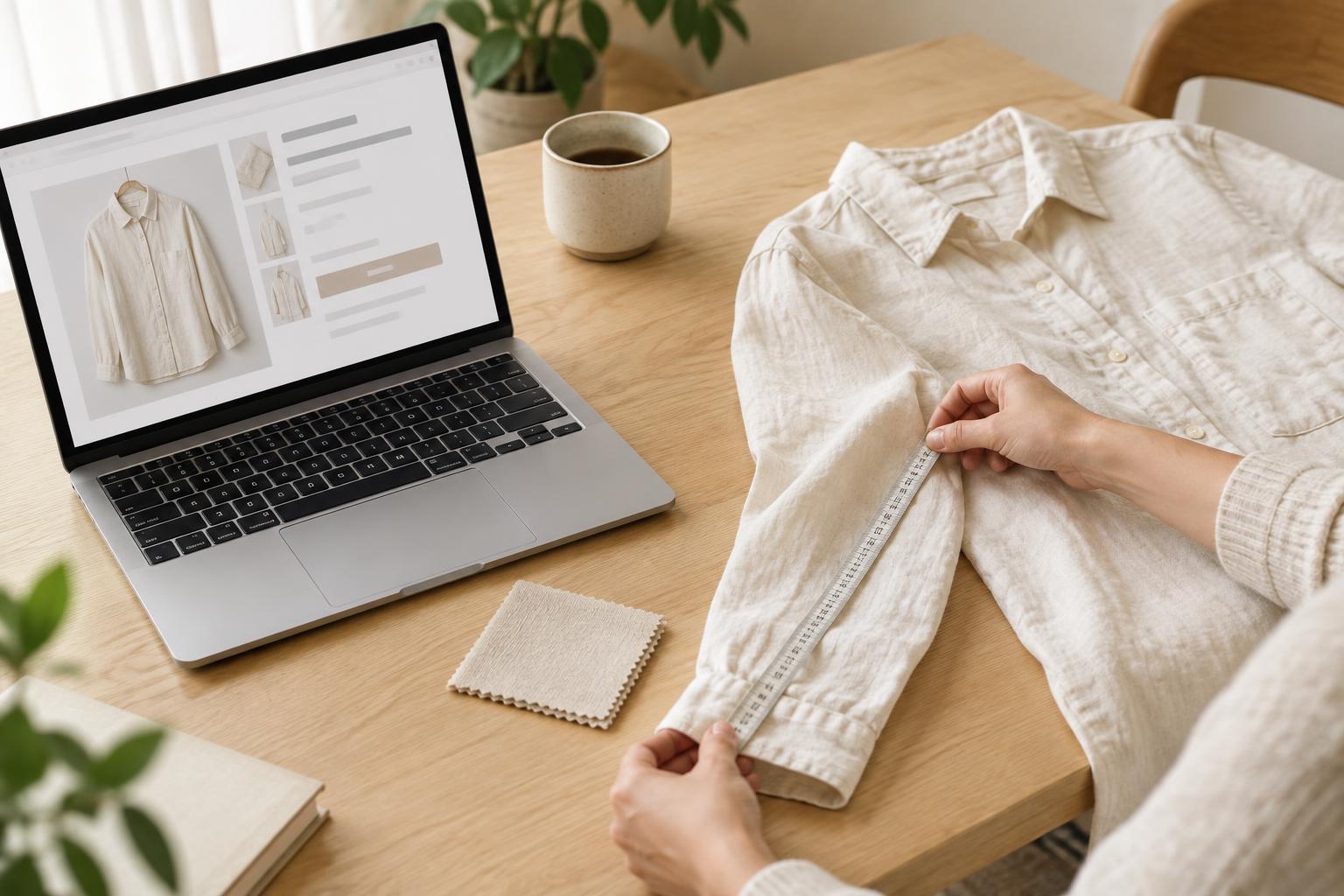
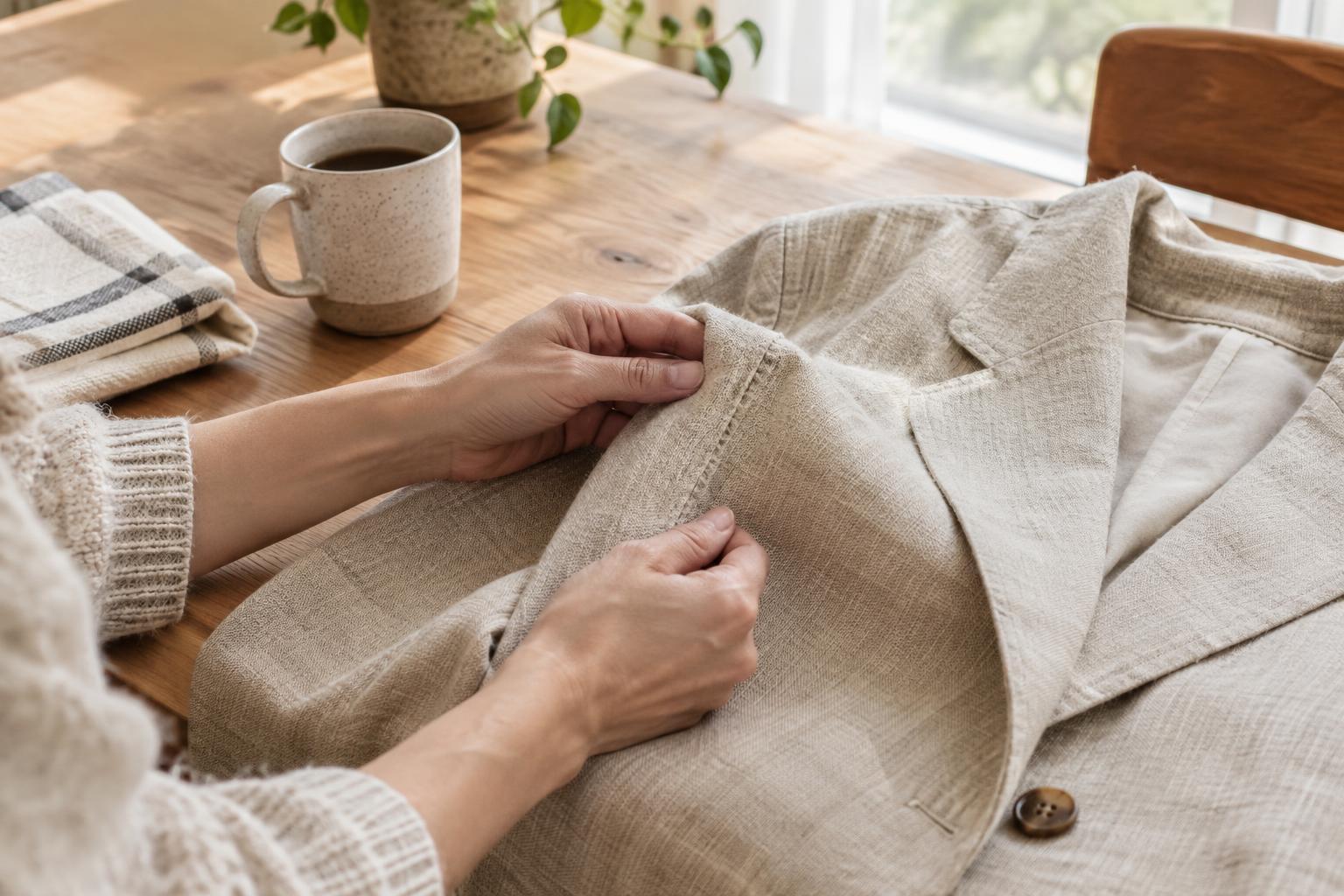
As you sort, check fit, comfort and condition. Set aside items that need a button, a small repair or a wash, rather than letting those tasks disappear into a storage box. If something no longer works for you, decide whether to pass it on, repurpose it or let it go before it takes up space for another season. This leaves you with a clearer picture of what you own and makes unpacking feel less like another sorting project.
Clean and dry everything before it goes away
Clothes that look clean can still carry traces of body oils, deodorant or food. These may be harder to deal with after months in storage and can attract pests. Wash or clean pieces according to their care labels, paying particular attention to collars, cuffs and any spots you remember noticing while wearing them.
Let garments dry completely before packing them. Even a little trapped moisture can lead to an unpleasant smell or damage, especially in a tightly closed container. Give freshly laundered items time to air after they come off the drying rack, and check thicker waistbands, pockets and seams. For pieces that need specialist cleaning, follow the garment’s care guidance and allow them to air before placing them in long-term storage. Addressing these small tasks now means your future self can reach for a favourite piece without first adding it to the laundry pile.
Choose storage that suits the clothes
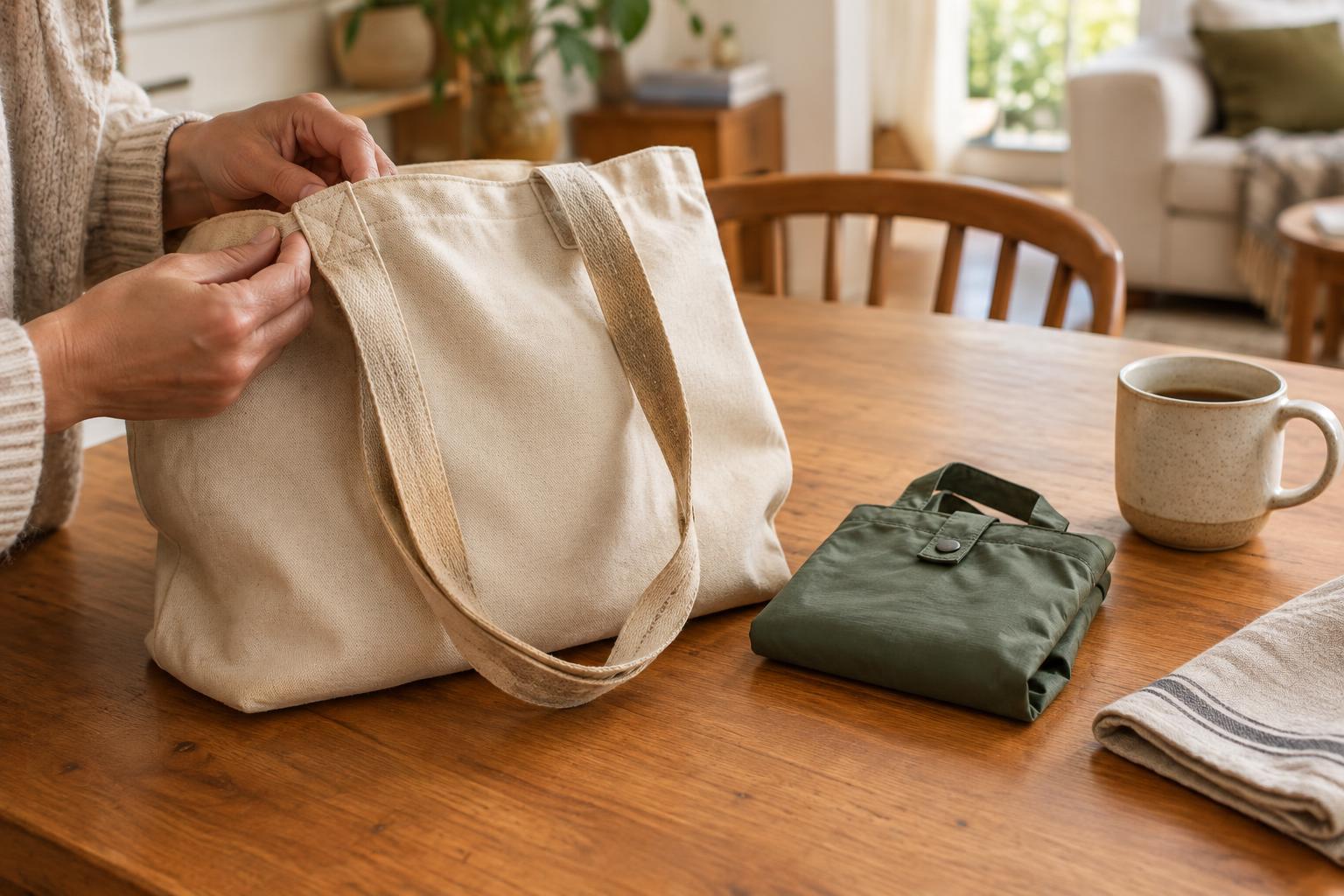
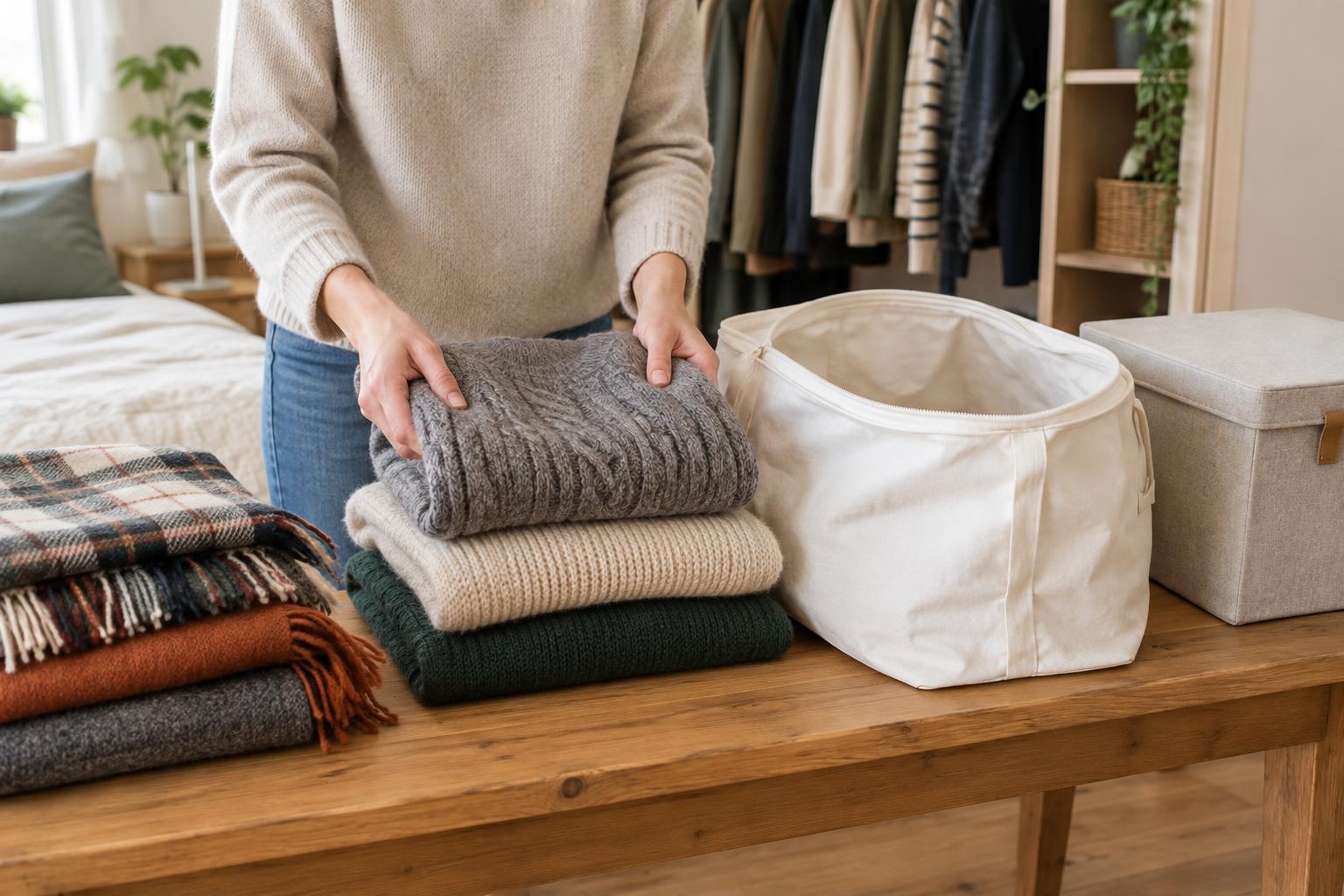
The right container depends on both the fabric and the space available. Clean, sturdy boxes or bins help keep out dust and make clothes easy to group. If you use a closed plastic bin, make sure its contents are completely dry first. For delicate or natural-fibre garments, a breathable fabric bag or box may be a better choice, particularly where airflow is limited. Avoid leaving clothes in dry-cleaning plastic for months; it is intended for transport, not thoughtful storage.
Fold knits and other pieces that may stretch on a hanger. Place heavier garments at the bottom of a box and lighter ones on top, without packing so tightly that they crease under pressure. Hanging may work better for structured jackets, dresses and garments that are difficult to fold. Give them enough room to hang freely and use a cover that protects from dust without sealing in dampness.
If you use vacuum bags to save space, be selective. Compression can leave some fabrics heavily creased or flatten pieces you would rather keep lofty. They may be useful for sturdy items, but test your approach with clothes you are comfortable pressing or airing out later.
Pick a place you can trust
A clean, dry cupboard, under-bed space or spare shelf is usually more suitable than a spot prone to leaks, dampness or large temperature swings. Check the space itself before moving clothes in: wipe down shelves, look for signs of moisture and avoid placing boxes directly against a surface that regularly feels damp. If pests have been a problem in your home, inspect the area and deal with that issue before storing vulnerable garments.
Label each container with a simple description, such as “summer tops and linen” or “winter scarves and gloves.” Grouping by season and type makes it easier to find one item without opening every box. If you store shoes with your seasonal wardrobe, clean them first and keep them separate from clothing so dirt does not transfer. A short note on your phone about where each group lives can help when storage is spread across several places.
Make the next changeover easy
When the season comes around again, unpack a little before you need everything. This gives folded clothes time to relax and lets you spot anything that needs airing, pressing or another wash. Check garments for damage before putting them back with your everyday clothes, especially if they have been stored for a long time.
You may find that your preferences have changed since you packed the box. Try pieces on before deciding they belong in your current rotation, and keep the same practical approach you used when sorting: wear what feels useful, mend what you want to keep and let go of what no longer fits your life. Good storage is not about preserving a perfect wardrobe. It is about making the clothes you already enjoy easier to return to.