Start with what the listing actually describes
A photograph is often the first thing you notice when shopping online, but it cannot tell you everything about fit, scale or everyday use. Before deciding that an item is right for you, read the product name and description from beginning to end. Look for the exact version being sold: its size, color, material and any included pieces. A styled photo might show a cushion on a sofa, for example, while the listing is for the cover only.
Separate specific details from descriptive language. “Relaxed” may suggest an easy fit, but a stated chest width gives you something you can compare. “Soft” can mean different things to different people; the fabric composition and care instructions offer more useful clues. If a detail matters to your decision and the listing does not provide it, treat that as an unanswered question rather than filling in the gap from a picture.
Compare measurements with something you already own
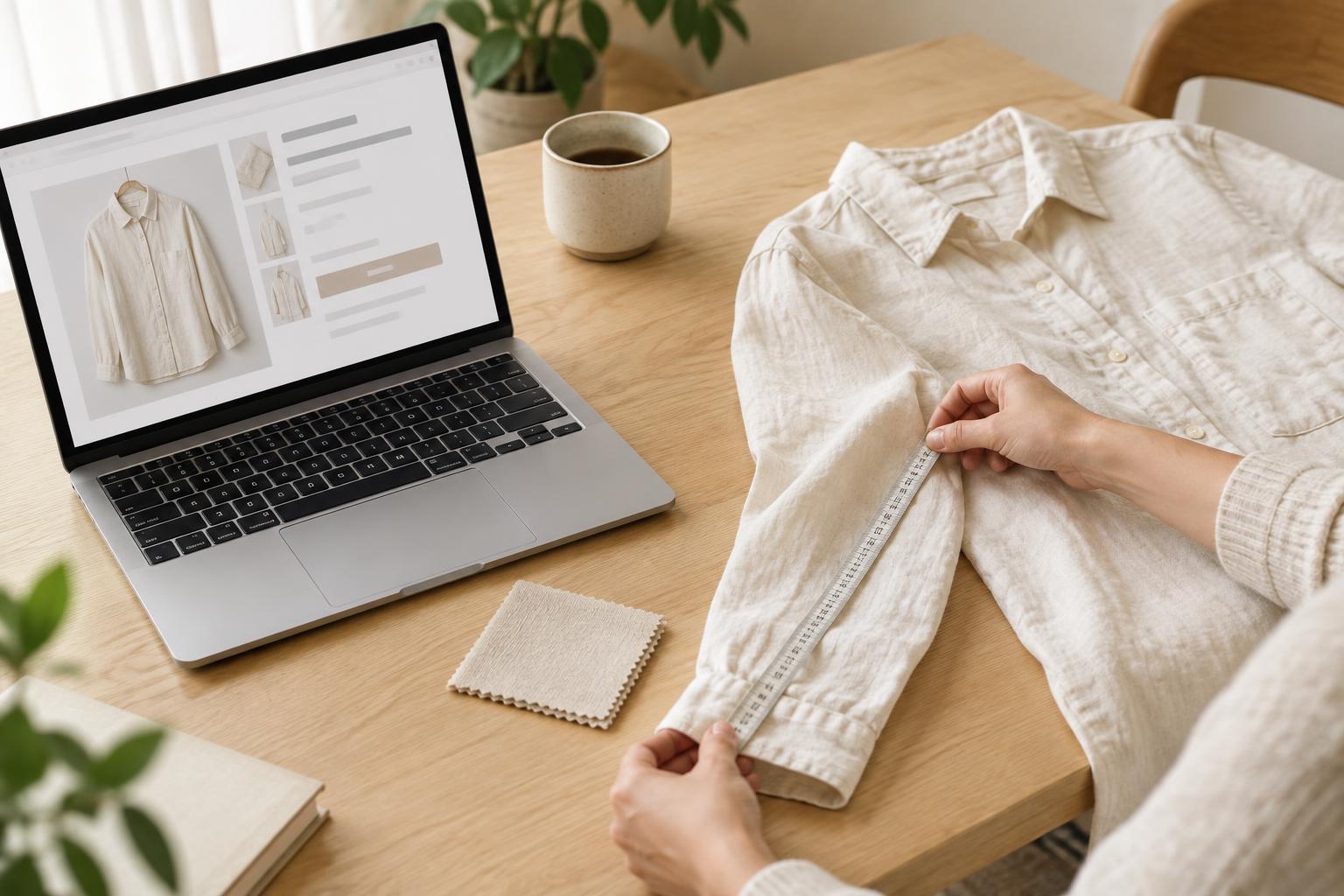
A familiar item can be a better reference than a size label. For clothing, lay a similar piece flat and measure it the way the seller describes. A width measured across the chest is not the same as a measurement around the body. Also check whether the chart gives garment measurements or suggested body measurements; confusing the two can make a size appear much roomier or smaller than it is.
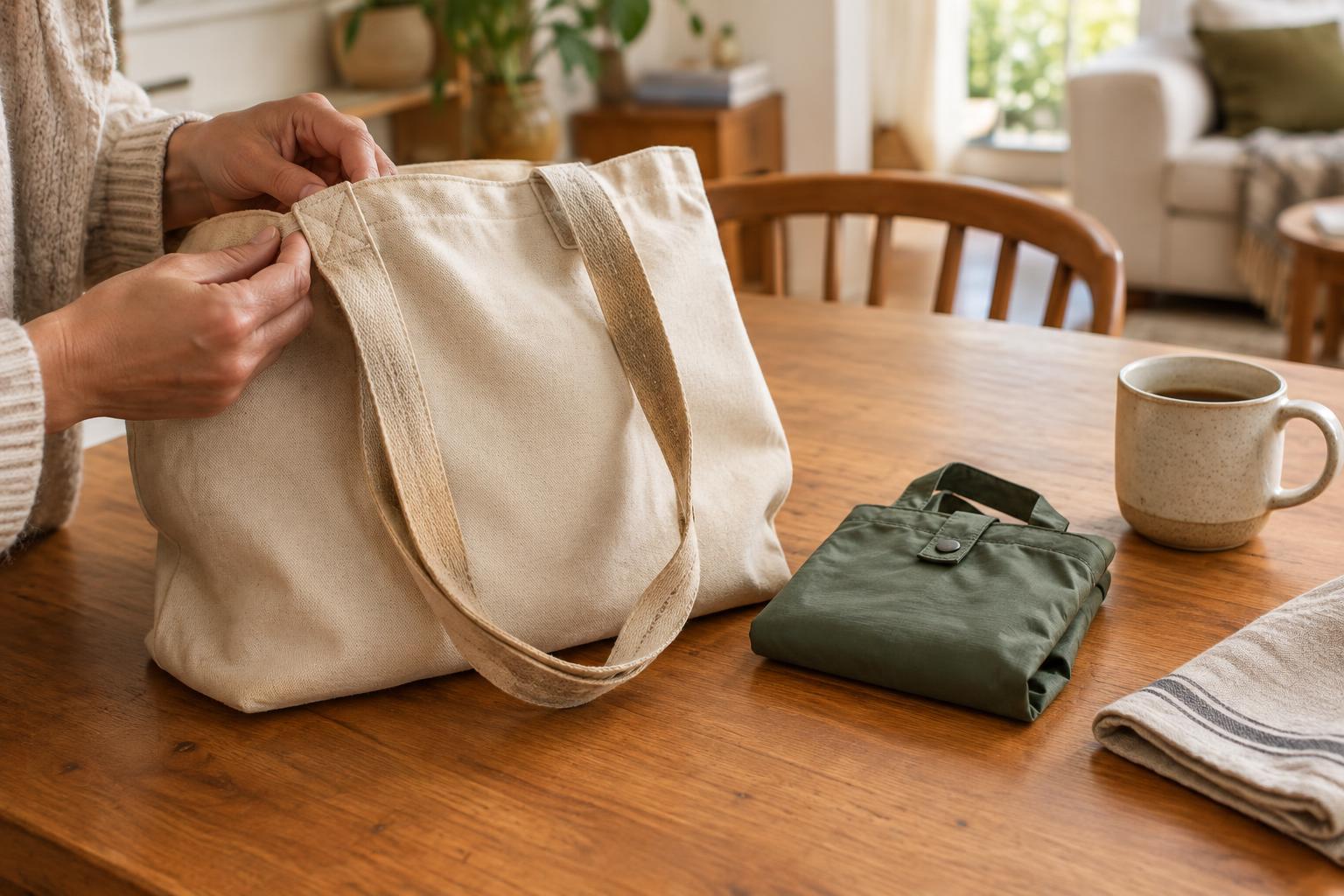
For home goods and accessories, picture the dimensions in the place where the item will be used. Measure the shelf before ordering a storage basket, or compare a bag’s listed height and width with one you carry comfortably. Pay attention to depth as well as width: a shallow basket and a deep one may take up similar shelf space but hold very different objects. If measurements are given in unfamiliar units, convert them before deciding. A quick sketch or a piece of paper cut to size can make an abstract number easier to understand.
Read material and care details as part of the purchase
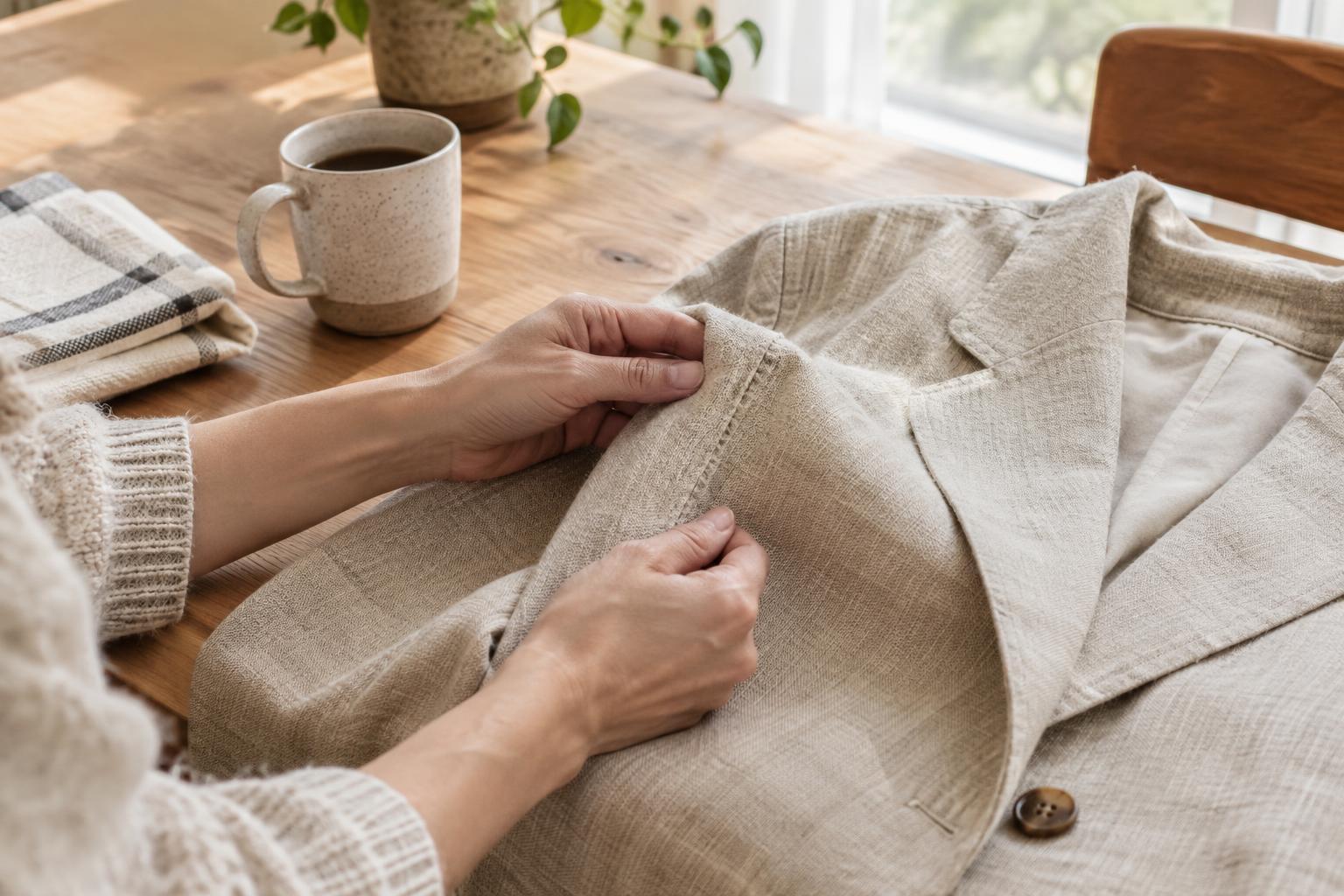
Material information helps you judge whether an item suits your preferences and routine. For a garment, check the full fiber blend, not just the most prominent fiber mentioned in the description. Look for notes about lining, stretch, transparency or texture when those qualities matter to you. For a home textile, consider how its feel and care requirements fit the way the room is used. A fabric you enjoy looking at may be less appealing if its upkeep does not suit your household.
Care instructions deserve the same attention as color and size. Ask yourself whether you are comfortable with the washing, drying or cleaning method listed. Check whether an accessory has removable parts or whether a cushion cover can be taken off. These details may not be visible in a styled image, yet they can affect how easy the item is to live with.
Use photos to check details, not to guess scale
Look through every image, especially close-ups and views from the side or back. They may reveal a closure, pocket, seam, finish or proportion that the main image does not show clearly. If the page includes a photo of a garment being worn, compare it with the flat product image. Posing, lighting and styling can change how an item appears, so use photographs alongside the written specifications rather than in place of them.
For patterned or textured items, look for a close view that shows the surface. For furniture or storage pieces, check whether the photos show the item from more than one angle. Remember that a room setting provides atmosphere, not a reliable measuring tool. The dimensions should settle questions of scale.
Make a final check before adding to cart
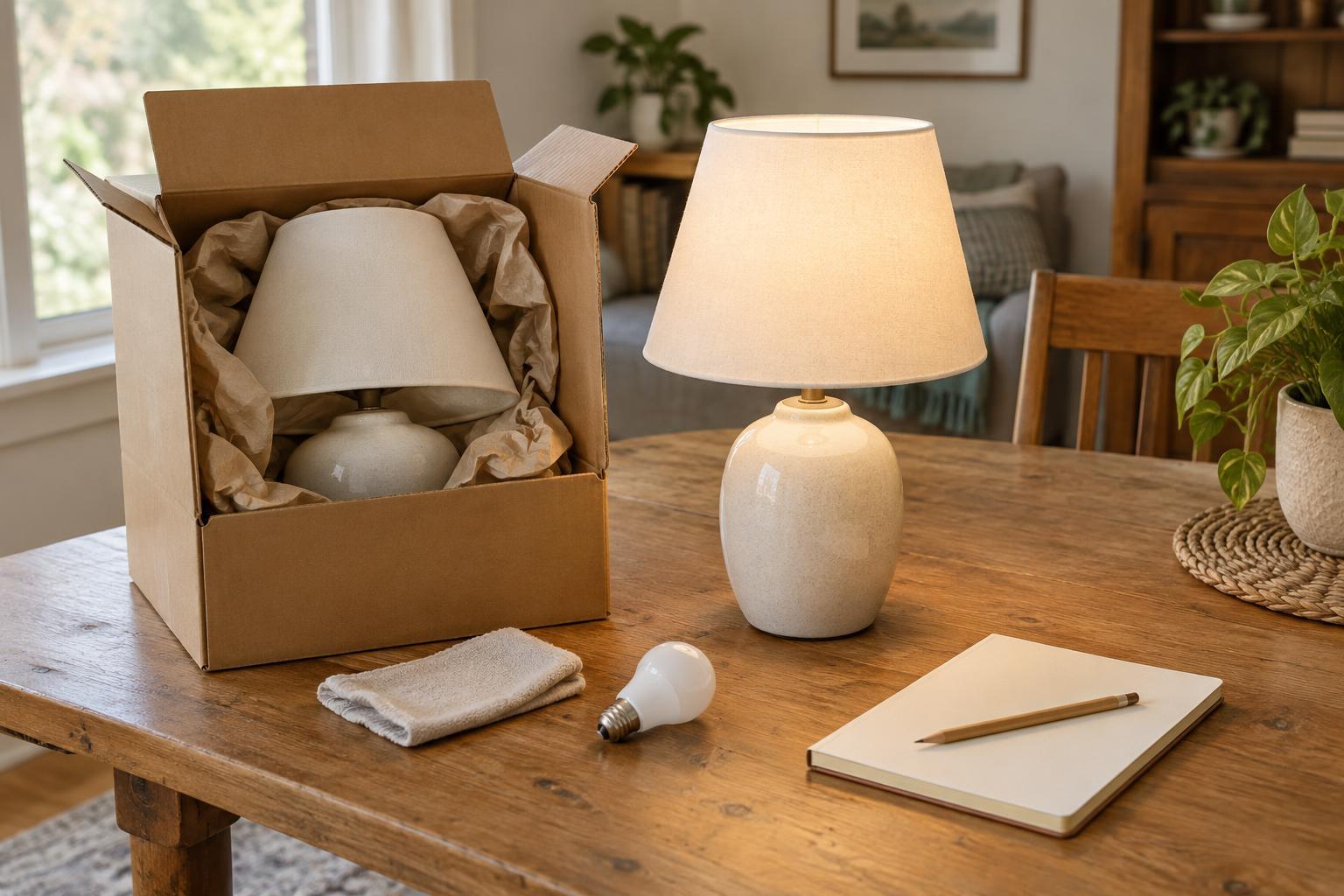
Once you have chosen an item, check the selected variant again. Some product pages display different images, measurements or materials for different colors and sizes. Confirm the quantity and what is included, especially for sets, covers, inserts and accessories. If you are comparing options, jot down the few facts that matter most to you: dimensions, composition, care and intended use. That keeps a promising photograph from outweighing a practical mismatch.
Finally, read the seller’s delivery and return information so you know what options are available if the item does not work for you. Policies vary, and it is easier to consider them before buying than after a parcel arrives. Thoughtful shopping does not require finding a perfect product. It means giving the available details enough attention to decide whether this particular item is likely to fit your space, wardrobe and daily habits.