Start with the day, not the season
A calendar may say spring or autumn, but it cannot tell you how you will feel on a breezy walk, in a warm office or on the journey home. When the weather is changing, begin with the conditions you are likely to encounter rather than the name of the season. Check the temperature and chance of rain, then think through your day: Will you spend more time indoors or outdoors? Will you be walking, sitting or moving between places?
Comfort is personal, so use your past experience as a guide. If you tend to feel cold while sitting still, bring an extra layer even when the afternoon looks mild. If you warm up quickly while walking, choose something you can remove and carry easily. This small habit can make outfit planning feel less like guessing.
Build outfits in removable layers
Layering works best when each piece has a purpose. Start with a comfortable base, such as a T-shirt, light knit or breathable long-sleeved top. Add a middle layer for warmth: a cardigan, overshirt or sweater can be easier to adjust than one heavy garment. Finish with an outer layer suited to the conditions, whether that is a light jacket for wind or a coat that gives you more coverage.
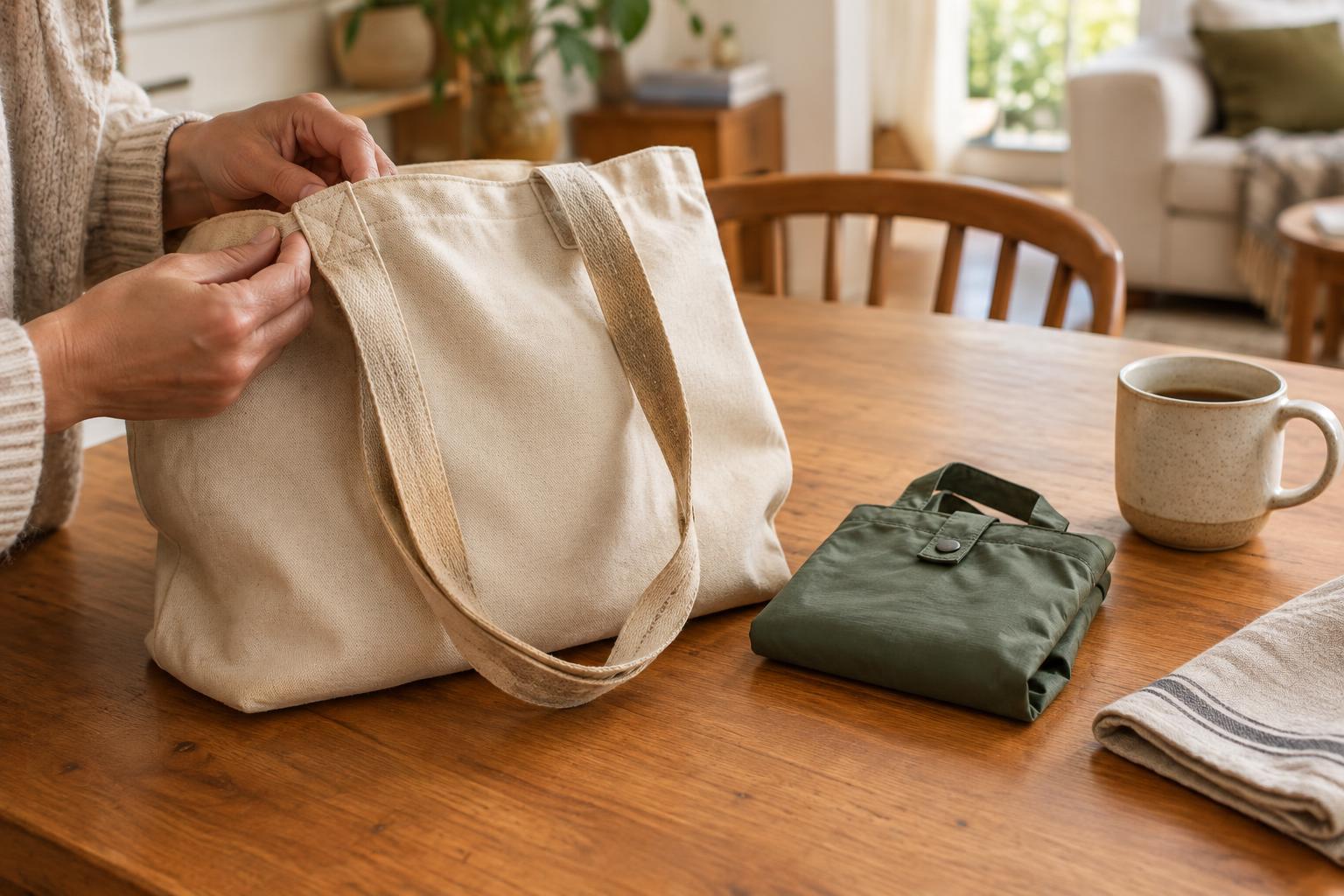
Consider how the pieces work together when you take one off. A shirt under a cardigan, for example, should feel comfortable enough to wear on its own. Leave room in the fit so layers do not pull at the shoulders or bunch at the sleeves. If you expect to carry a removed layer, think about whether it will fit in your bag or can be worn open without getting in your way.
Choose fabrics and footwear for comfort
Fabric affects how an outfit feels throughout the day. Lightweight cotton can be pleasant in mild conditions, while a knit or fleece may add welcome warmth when temperatures dip. A tightly woven outer layer can help on a windy day. Rather than relying on a fabric label alone, notice whether a garment feels comfortable against your skin, allows you to move and dries in a practical amount of time for your routine.
Shoes deserve the same attention as jackets. A pair that feels right for a dry afternoon may be less useful on a wet morning. Choose footwear that suits your planned walking and the ground you will be on, and make sure there is enough room for the socks you intend to wear. Keeping one comfortable, weather-appropriate option easy to reach can simplify mornings when conditions change unexpectedly.
Make a small transition wardrobe
You do not need a separate wardrobe for every shift in temperature. Look for a few pieces you already own that can move between outfits: a lightweight knit, an easy-to-layer shirt, comfortable trousers and an outer layer you reach for often. Neutral colours can make mixing pieces straightforward, but they are not a requirement. The most useful items are the ones that fit well and feel like you.
Try putting together two or three outfit combinations for common days, such as a workday, an errand day and a relaxed weekend. Make one version warmer and another lighter by changing a layer rather than replacing the whole outfit. This gives you a starting point when you are short on time, while leaving room to adjust for your plans and preferences.
Use accessories for the final adjustment
Small items can help bridge the gap between a cool morning and a warmer afternoon. A scarf can add warmth without committing you to a heavier coat, while a hat may be useful on a windy walk. Sunglasses, a compact umbrella or a bag with space for a spare layer can also make an outfit more adaptable. Choose accessories you will actually use and can carry comfortably.
Before leaving, do a quick comfort check. Can you move easily? Is there a layer you can remove if you get warm? Are your shoes suited to the day ahead? Dressing for changing seasons is not about predicting every turn in the weather. It is about giving yourself a few practical options, then adjusting as the day unfolds.