Start with the day, not the garment
Transitional weather can make dressing feel like a small negotiation. The morning is cool, the afternoon is mild, and an indoor space may feel warmer than either. Both a lightweight jacket and a cardigan can help you adjust, but they do different jobs. A jacket usually makes more sense when you need an outer layer between you and the elements. A cardigan is often more comfortable when you want warmth that can stay on indoors.
Before choosing, think about where you will spend most of the day. A short walk followed by hours at a desk calls for a different layer than an afternoon of errands outside. Also consider how often you are willing to take that layer off and carry it. The most useful choice is the one that fits your routine as well as the temperature.
Choose a jacket when the weather reaches you
A lightweight jacket has an advantage on breezy days. Even an unlined style can help block wind better than a loose knit, depending on its fabric and construction. If light showers are possible, a jacket with a hood or a suitable water-resistant finish may be useful; not every jacket offers rain protection, so check the garment rather than assuming it does. Pockets can also make a jacket practical when you would rather leave a bag at home.
Fit matters here. Try the jacket over the top you actually plan to wear, and move your arms as you would during the day. It should close comfortably if you expect to zip or button it, without pulling at the shoulders. A shorter jacket can work well for active outings, while a longer cut may provide more coverage. Neither is automatically warmer: fabric weight, lining and room for layers all affect how it feels.
A jacket is less convenient if most of your day takes place in warm rooms. You may end up carrying it from place to place. If that sounds familiar, choose one that folds or hangs easily, or consider whether a cardigan would serve you better.
Choose a cardigan when comfort needs to travel indoors
A cardigan is a flexible choice for days that move between cool and warm spaces. You can wear it open, fasten it for extra warmth or remove it without changing the rest of your outfit. Softer knits can feel especially comfortable when you are sitting for long stretches, and a cardigan often looks at home in a café, office or living room without feeling like outerwear.
Pay attention to the knit rather than the label alone. A fine, loosely knit cardigan may feel light but let a breeze through; a denser knit may offer more warmth. Length and sleeve shape also change how easy it is to layer. If you intend to wear it under a coat later in the season, a streamlined cardigan is less likely to bunch at the arms than a very bulky one.
The trade-off is exposure. A cardigan may not be enough on a windy walk, and many knits are uncomfortable when damp. If you love the ease of one but expect to spend time outside, carrying a compact weather layer can be more useful than asking the cardigan to do everything.
Build an outfit that adjusts easily
Whichever layer you pick, start with a base that feels comfortable on its own. A simple shirt, tee or lightweight long-sleeved top gives you something to wear if the day warms up. Avoid stacking so many pieces that removing one becomes awkward. For a jacket, leave enough room for a thin knit underneath if you need it. For a cardigan, check that the top beneath it does not catch or bunch when you move.
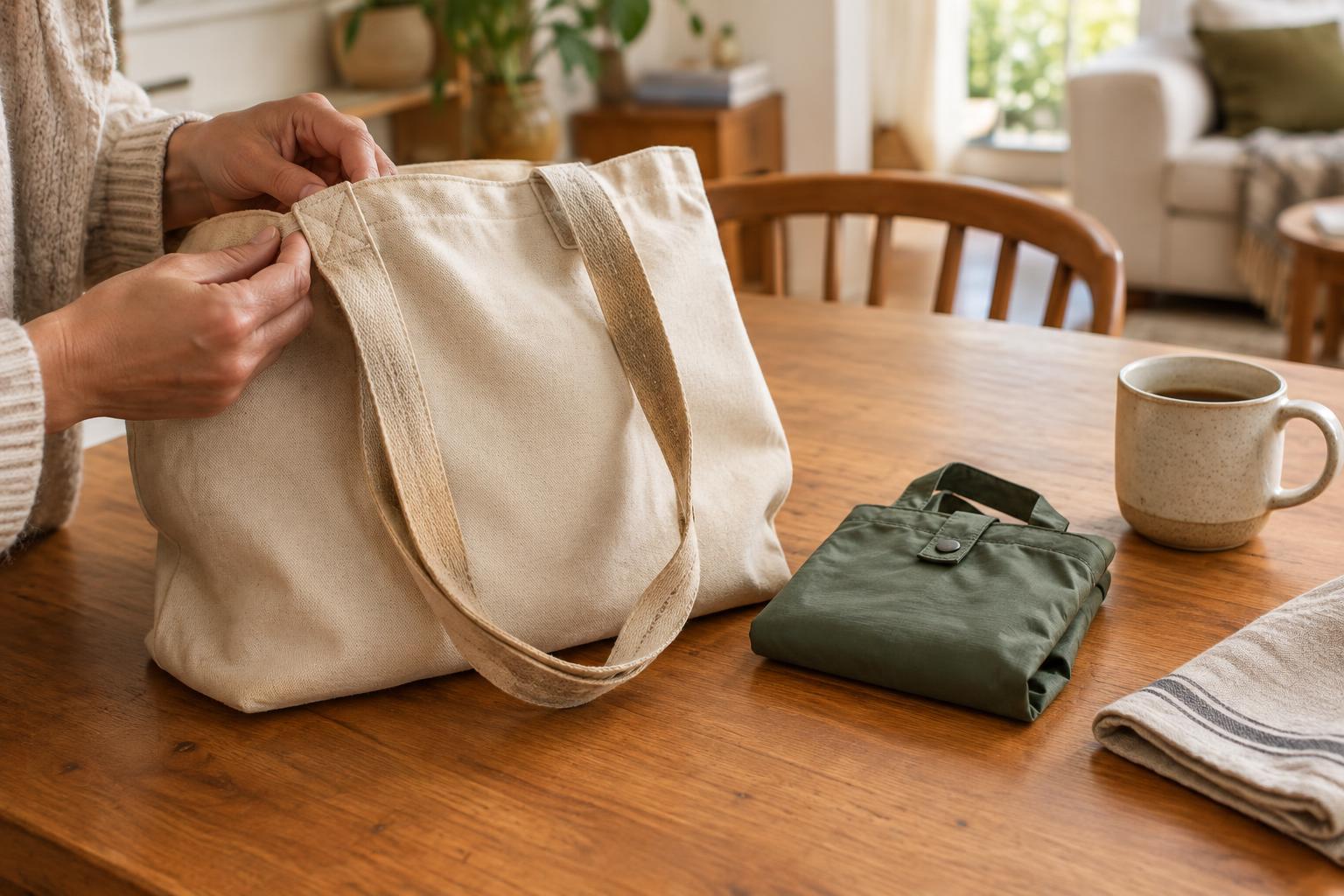
The rest of the outfit can help bridge the season too. Shoes that suit both the temperature and your plans may matter more than adding another warm layer. A scarf can offer an adjustable bit of comfort, but it should be easy to tuck away. If you regularly find yourself carrying your extra layer by midday, make sure it fits in your usual bag or is comfortable to drape over an arm.
Let your habits make the final call
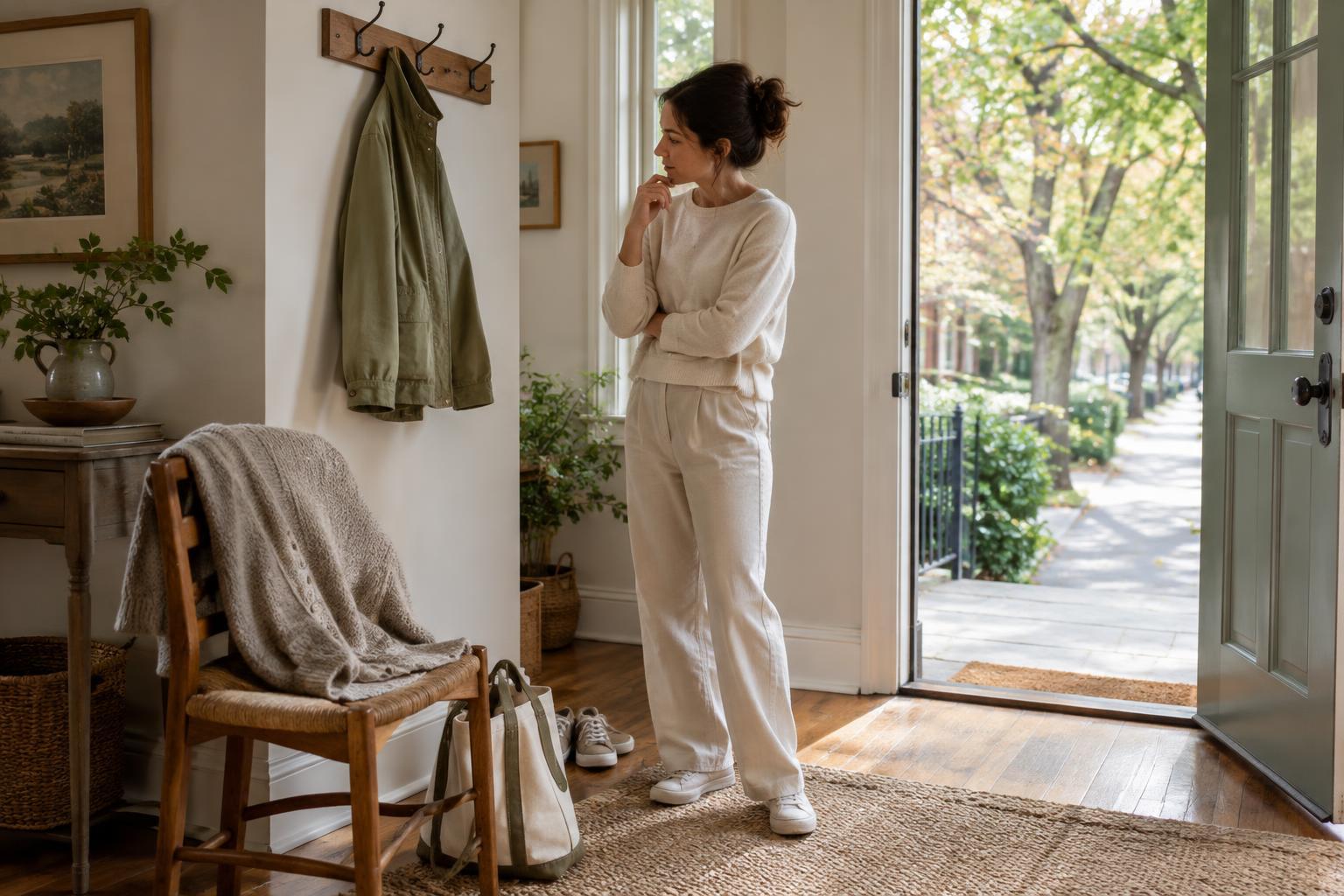
If you are deciding which piece to wear tomorrow, ask three questions: How much time will I spend outside? Is wind or dampness likely to bother me? Will I want to keep this layer on indoors? More outdoor time tends to favor a jacket; long stretches inside tend to favor a cardigan. On a mild, calm day, either can work, so choose the one that feels better with your outfit.
If you are deciding which piece to add to your wardrobe, look at the layers you already reach for. You may not need another cardigan if you have one that covers your indoor days, while a light jacket could fill a gap for breezy walks. The reverse can be true if your outerwear is sorted but you always feel chilly at your desk. Transitional dressing becomes simpler when each piece has a clear purpose, rather than having to be perfect for every possible forecast.