Start with the moments that feel awkward
Before making a shopping list, spend a few ordinary days noticing how you use your home. Pay attention to small moments of friction: the search for keys on your way out, the chair you avoid after dinner, or the lamp you never turn on. These details are more useful than a general feeling that a room needs a refresh. They point toward a particular problem you may be able to solve without adding another object.
For each room, ask three questions: What do I do here? What makes that activity easier? What regularly gets in the way? Notice light at the times you use the space, where belongings tend to land, and whether you can move through it comfortably. Write down your observations before changing anything. A short list gives you something to test, rather than a vague invitation to buy.
Entryway and living room: Follow the flow
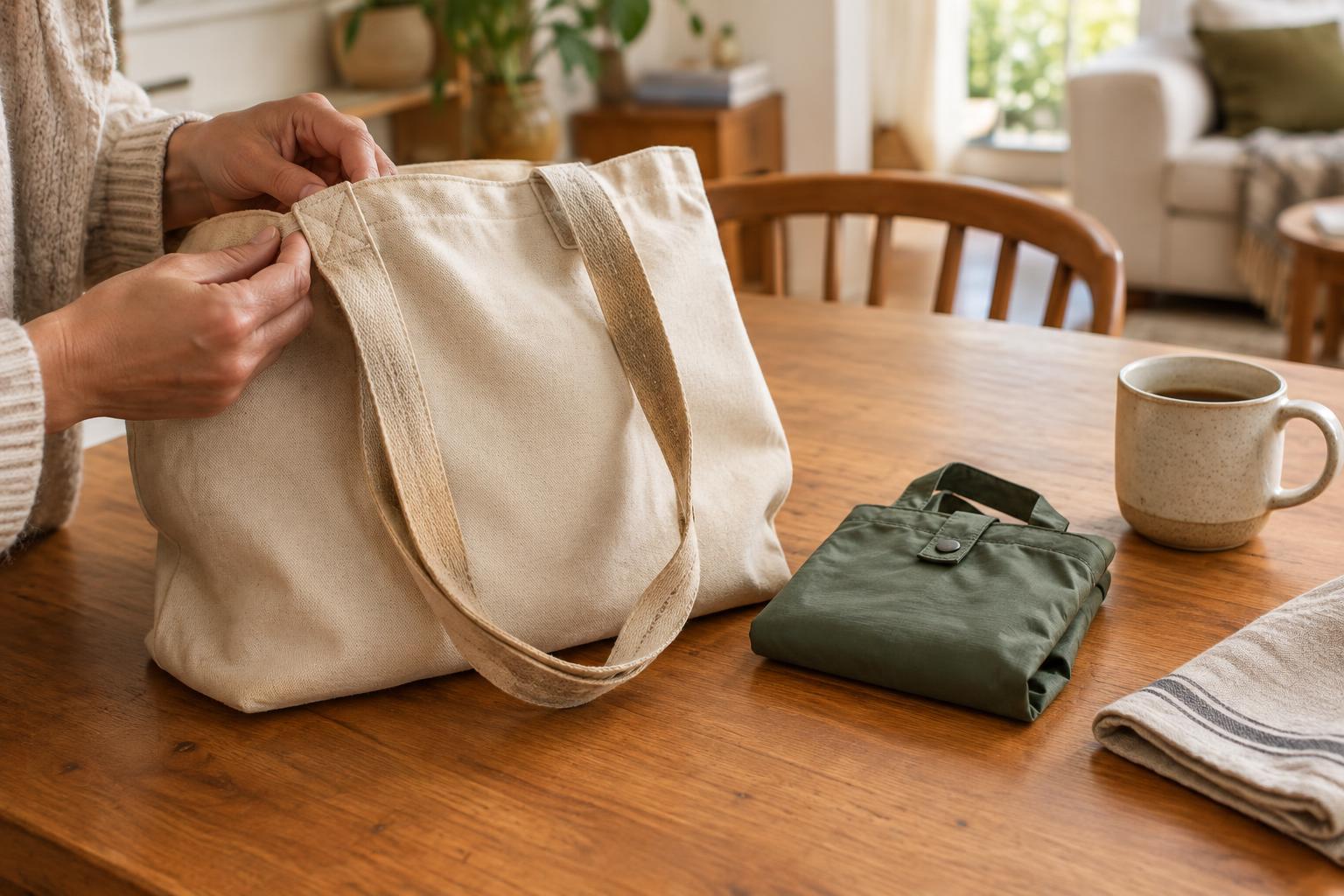
In the entryway, watch what happens when you come home carrying a bag or wearing a coat. Is there a clear place to put things down? Can you find what you need when leaving? A crowded surface might need fewer items, not a larger organizer. Try moving a bowl, hook or basket you already own to the spot where things naturally collect. Then see whether the new arrangement makes arrivals and departures easier.
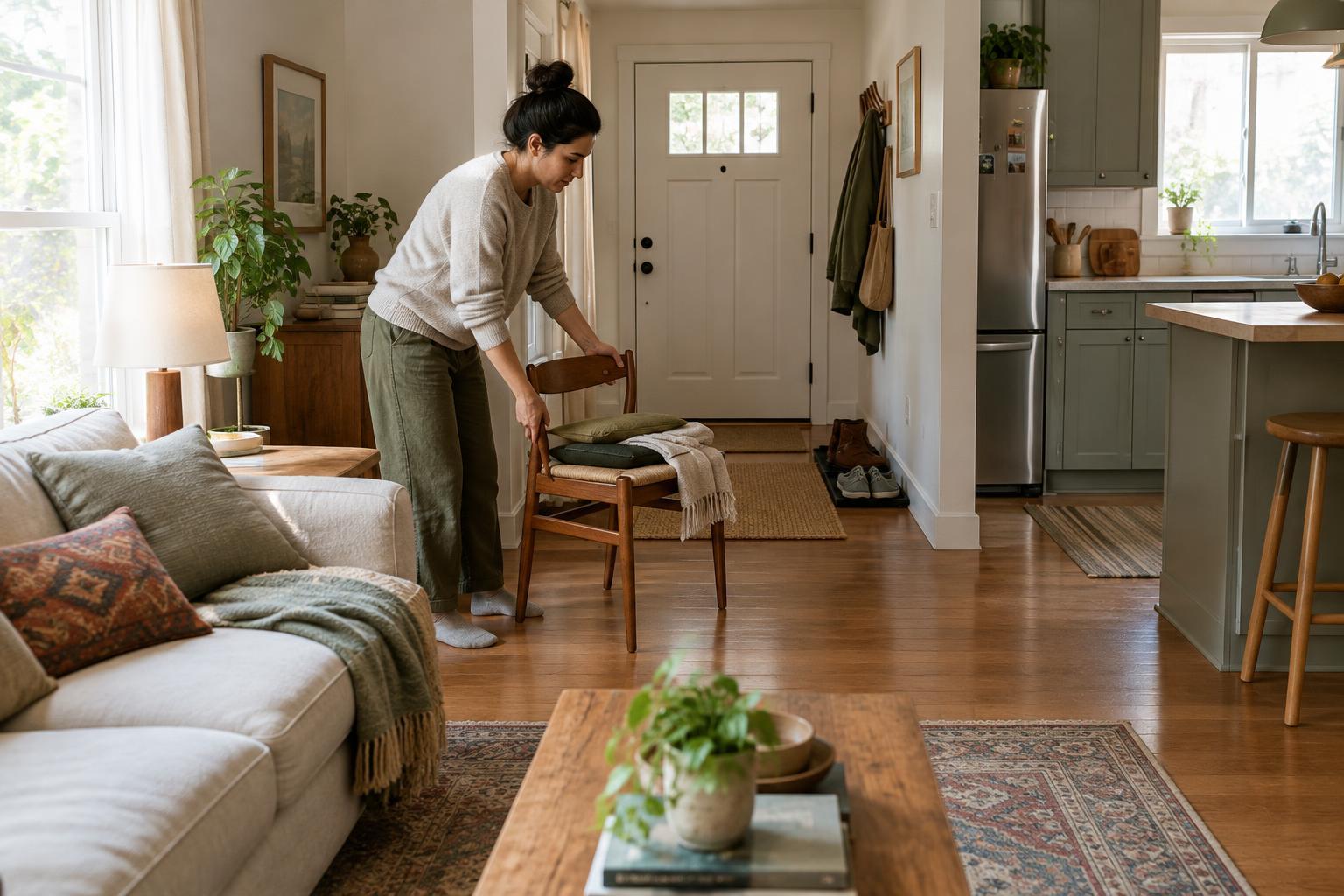
In the living room, sit where you usually sit and check what is within reach. Think about lighting, a place for a drink, and whether conversation or quiet time feels comfortable. If the room seems unsettled, try shifting a lamp, clearing a side table or changing the direction of a chair. Leave the arrangement in place for a few days. What looks balanced from the doorway may work differently once you are using the room.
Kitchen and dining area: Notice repeated motions
The kitchen offers clues through repetition. Which cupboard do you open most often? Where do you set groceries down? What interrupts the steps of making a simple meal? Frequently used items are often easiest to live with when they are close to where you use them. Moving a mug, cutting board or tea tin may do more for daily comfort than adding storage. Keep counters clear enough for the tasks that actually happen there.
At the table, consider how it serves you beyond meals. If it is also a place for reading, projects or paperwork, notice whether those activities have an easy beginning and end. A clear section of tabletop and a convenient place to put supplies away can make the space more welcoming. You do not need to make every activity disappear; the aim is to let the next person use the table without a lengthy reset.
Bedroom: Make rest easier to begin
A bedroom comfort check is less about creating a perfect-looking space and more about the routines around getting dressed and winding down. Can you reach the light from bed? Is there a spot for the book, glass or other things you use at night? Notice whether clothes pile up because their proper place is inconvenient. A cleared bedside surface or a better-positioned laundry basket may address the issue more directly than new furniture.
Also pay attention to what you see and feel when you enter the room. Bedding that is easy to arrange, a path free of obstacles and window coverings that suit your preferred light level can all affect how pleasant the space feels. Try one small adjustment at a time, such as moving a lamp or changing where tomorrow’s clothes wait. It is easier to tell what helped when you have not changed everything at once.
Bathroom and overlooked corners: Check the essentials
In the bathroom, notice whether the things you use every day are easy to reach and whether towels have a practical place to dry. Remove empty containers and move occasional-use products out of the busiest spots before deciding you need more shelves. In a small room, a little open space can make ordinary routines feel simpler.
Do the same for corners that do not have a formal name: the reading spot, the place you charge devices or the chair where you put on shoes. These spaces may matter more to your day than their size suggests. Ask whether each one has enough light, a comfortable position and a sensible home for the objects it needs.
Turn observations into a considered purchase
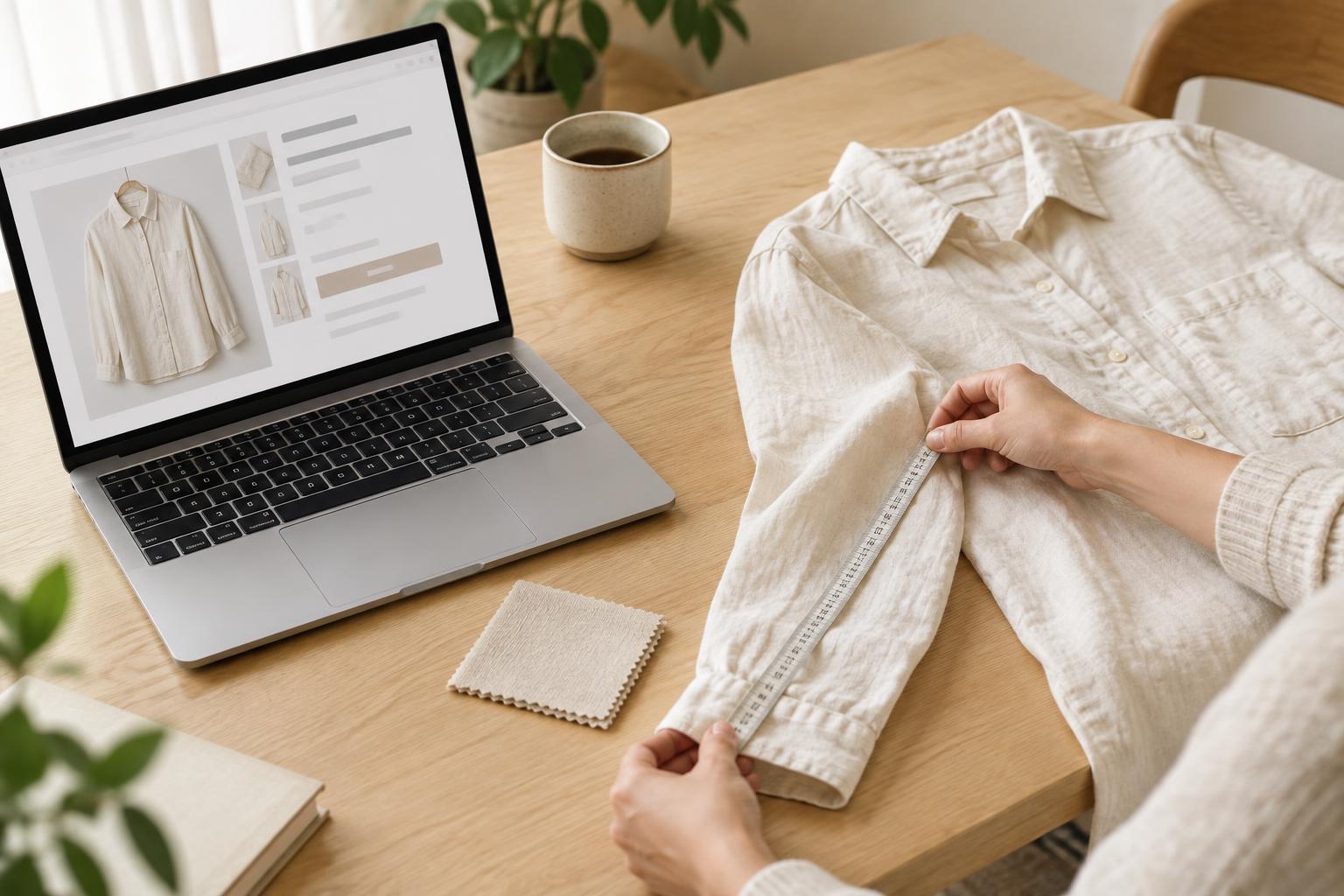
Once you have tried rearranging, clearing and repurposing, revisit your notes. Which difficulties still appear? Separate a genuine gap from a passing wish for a different look. If you do need something, describe the job it must do before choosing a style: hold shoes near the door, provide light beside a chair or fit the space available next to the bed. Measure the spot and consider how the item will be used and cared for.
You can also leave a question open. Living with a temporary solution for a while may reveal what size, shape or feature you need. A comfort check is not a rule against shopping; it is a way to make your next choice more useful. Often, the first reward is immediate: a room that works a little better because you paid attention to it.