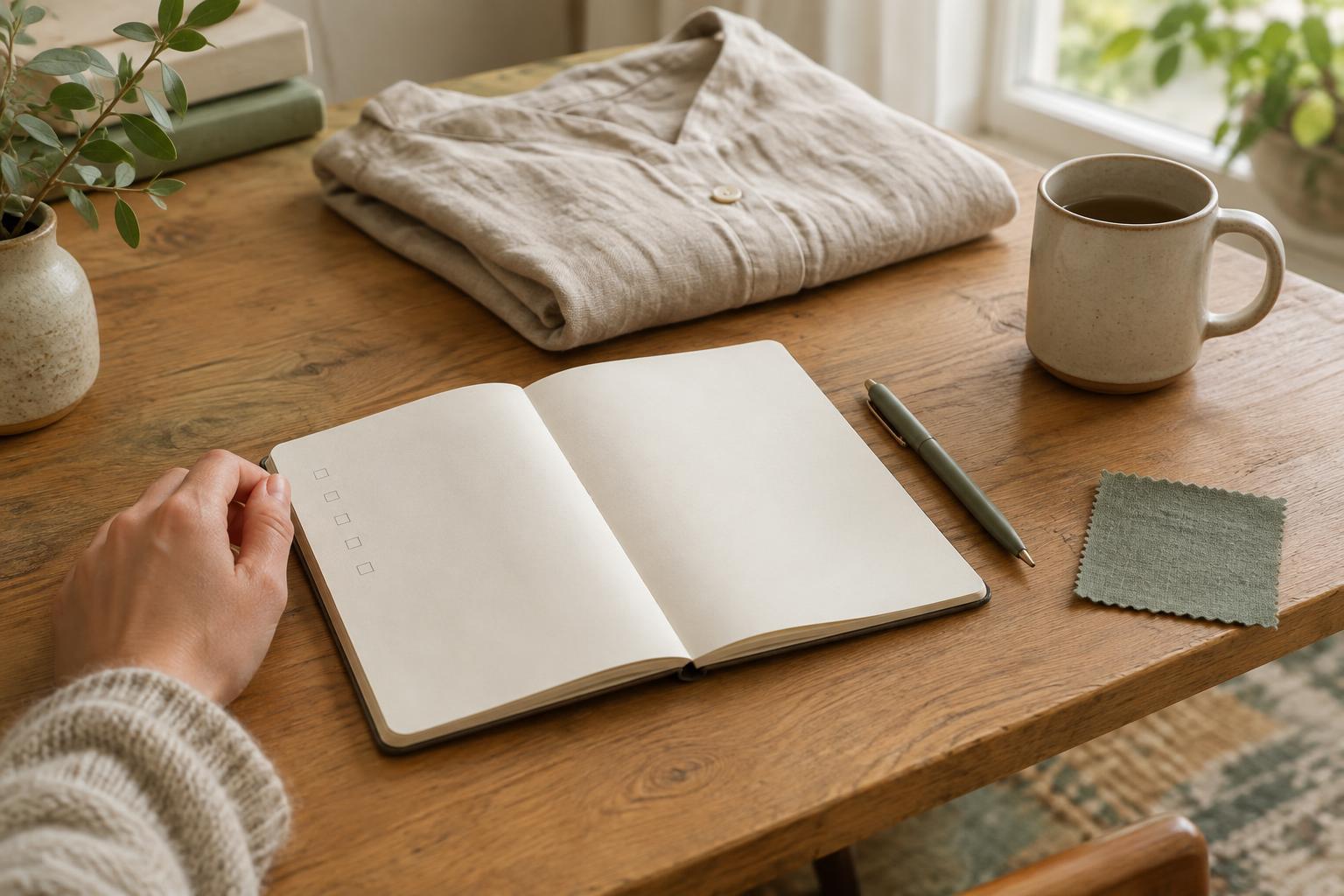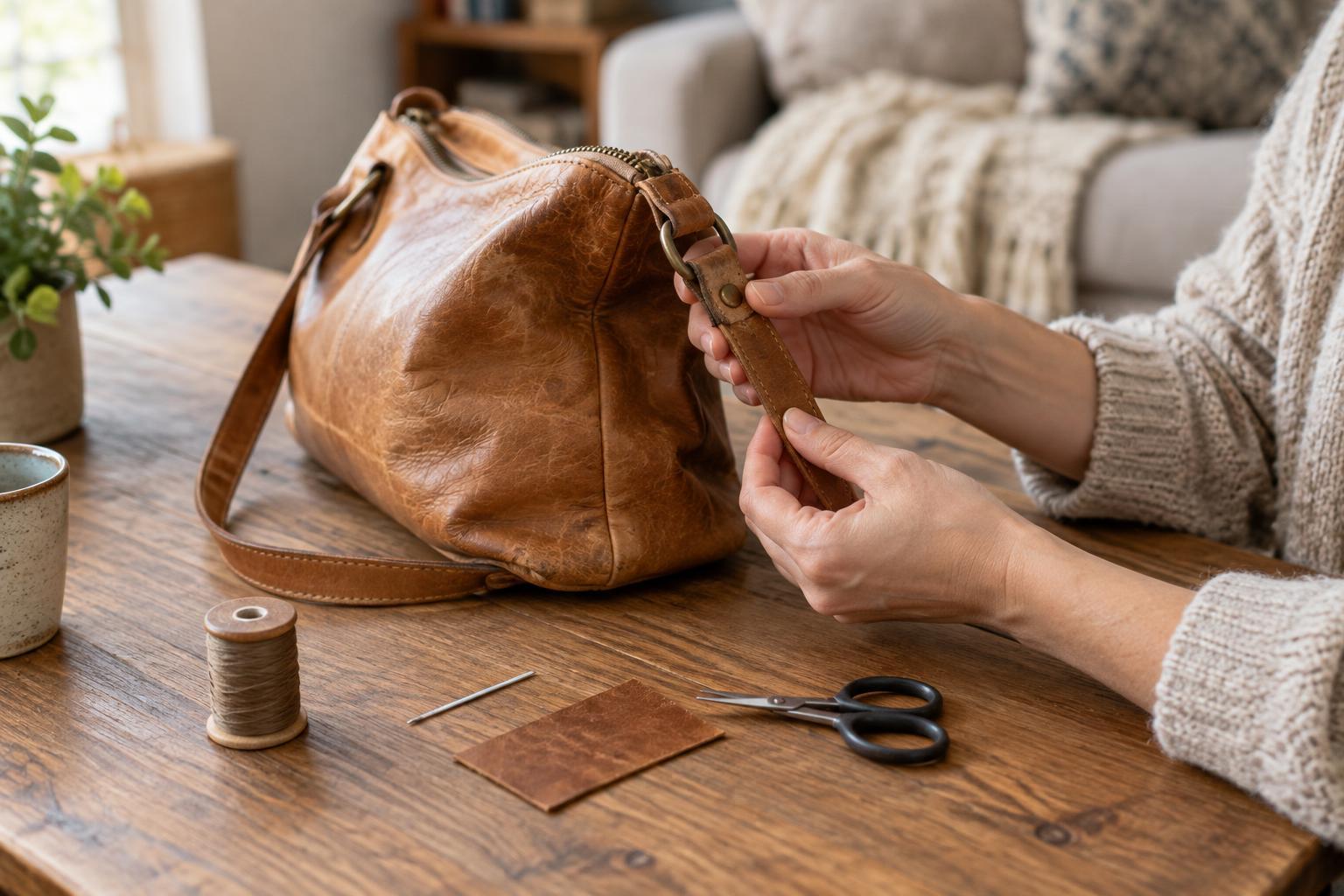
Start with the role it plays in your life
Before looking for a repair, ask what you want the item to do. A coat you reach for every cold morning has a different role from a decorative bowl kept at the back of a cupboard. Think about how often you use it, whether it still suits your needs and what you would do if it were gone. This helps separate a genuine reason to repair from the feeling that you ought to keep everything.
Enjoyment matters, too. An older item may have a shape, texture or familiar feel that you would miss, even if a replacement could perform the same basic task. Sentimental value is a valid reason to keep something, but it does not require you to make it useful again. If the object is meaningful but impractical, storing or displaying it may be a better choice than paying for a repair you will not benefit from.
Find out what is actually wrong
A repair decision is easier when you can name the problem. Is a garment missing a button, or is the fabric wearing thin across several areas? Does a chair need its seat tightened, or are multiple joints unstable? One contained fault is often simpler to address than a pattern of damage. Take a close look at the areas around the visible problem, since a neat fix in one spot may not help much if the surrounding material is also failing.
Consider whether the problem affects appearance, function or safety. You may be happy to live with a faded finish or a carefully mended seam. An item that cannot be used safely is a different matter. If a repair involves wiring, gas, structural support or another hazard you cannot assess confidently, seek an appropriately qualified person rather than treating it as a casual home project.
Compare the full effort, not just the price
The cost of repair includes more than parts or a service fee. It may also involve finding someone who can do the work, transporting the item, waiting for materials and making space for a project in progress. If you plan to do it yourself, ask whether you have the tools, skills and time to finish. A low-cost repair is not especially useful if the item is likely to sit untouched for another year.
For a clearer comparison, look at the alternatives you would seriously consider. Would you replace the item with a similar new one, look for a secondhand option or simply go without it? Compare those choices on comfort, durability and suitability as well as price. The least expensive route today is not always the one you will be happiest using, while an elaborate repair may not make sense for something that no longer fits your life.
Think about the result you can realistically expect
Repairs do not always return an item to its original state. A patched elbow may be visible; a refinished surface may look slightly different; a repaired bag may still show signs of wear. Decide whether that outcome would please you before you commit. Visible mending can add character if you enjoy it, but you do not have to persuade yourself to like a result that will bother you every time you use the item.
It also helps to ask how long the repair is likely to serve its purpose. There is no need to demand a precise prediction, but you can consider the condition of the rest of the item and how heavily you use it. A sturdy object with one damaged component may be a promising candidate. If several essential parts are close to wearing out, one repair could be only the first of many.
Make a choice you can act on
Once you have a reasonable picture of the work involved, choose a next step rather than leaving the item in a permanent maybe pile. You might book a repair, gather supplies for a small fix or give yourself a short window to request an estimate. If those steps feel disproportionate to the value the item brings you, that is useful information. Letting it go can be a thoughtful decision, not a failure to be resourceful.
If you decide against repair, consider whether the item can be passed on for parts, reused in another way or handled through a suitable local collection option. If you keep it, put the repair on your calendar and give it a place where it will not get lost. The aim is not to save every older possession. It is to keep the ones that can continue to serve you well, with a realistic amount of care.