Start with what the purchase is meant to do
A shopping decision can feel harder when every appealing item starts to sound necessary. A warmer coat may solve a real problem; a softer version of a coat you already own may simply be lovely. Neither choice is automatically right or wrong. Naming the role of a purchase helps you decide whether it fits your life now, rather than asking it to justify itself as something it is not.
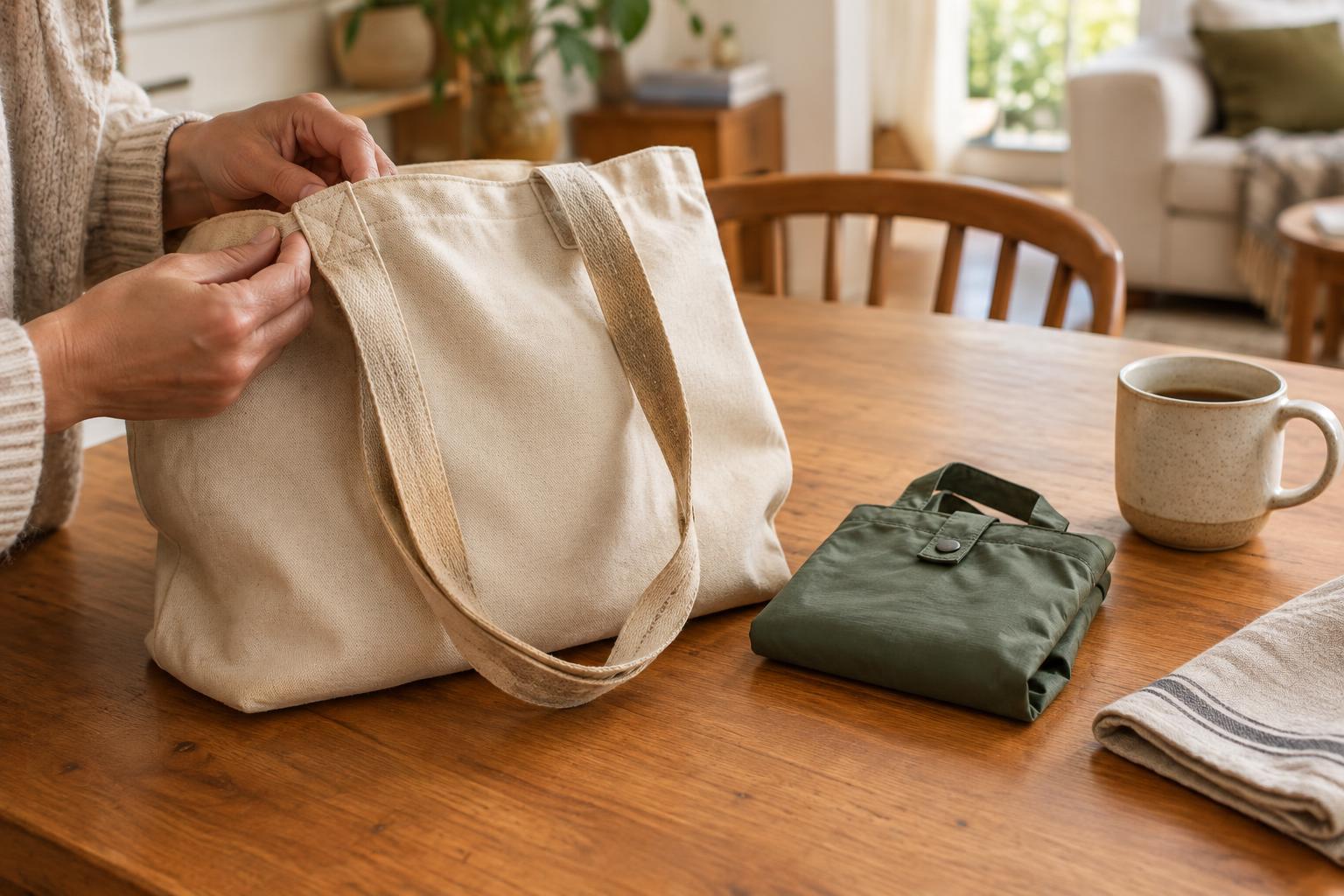
Before comparing colours, materials or prices, finish this sentence: “I’m considering this because…” Describe the specific situation, not just the item. “My everyday bag no longer closes securely” points to a different decision from “I’d enjoy carrying a bag in this colour.” That small distinction gives you a clearer place to begin.
A need solves a problem you already have
A need is something that lets you carry out an ordinary task with reasonable comfort or ease. It might replace worn-out shoes, provide a light for a dim reading corner or give frequently used belongings a dependable place to live. Needs vary from person to person: what matters is the gap between what you have and what your days ask of it.
To test a possible need, ask what happens if you do not buy anything. Can you keep using what you own? Could a repair, adjustment or change of routine solve the problem? If the gap remains, identify the minimum features that would address it. For shoes, that might mean a comfortable fit and a sole suited to where you walk, rather than every detail on your wish list.
“Need” does not have to mean the cheapest available option. If an item will be used often, ease of care, fit and durability may matter as much as its initial price. The useful question is whether those qualities help solve the original problem, rather than quietly turning a replacement into a different purchase.
An upgrade improves something that already works
An upgrade begins with an adequate item or setup. Your current bedding may be serviceable, but a different fabric could feel nicer to sleep in. Your desk may function, while better storage could make it easier to use. The improvement can be worthwhile, even if it is not urgent. Calling it an upgrade simply makes room to consider its value without pretending the old version has failed.
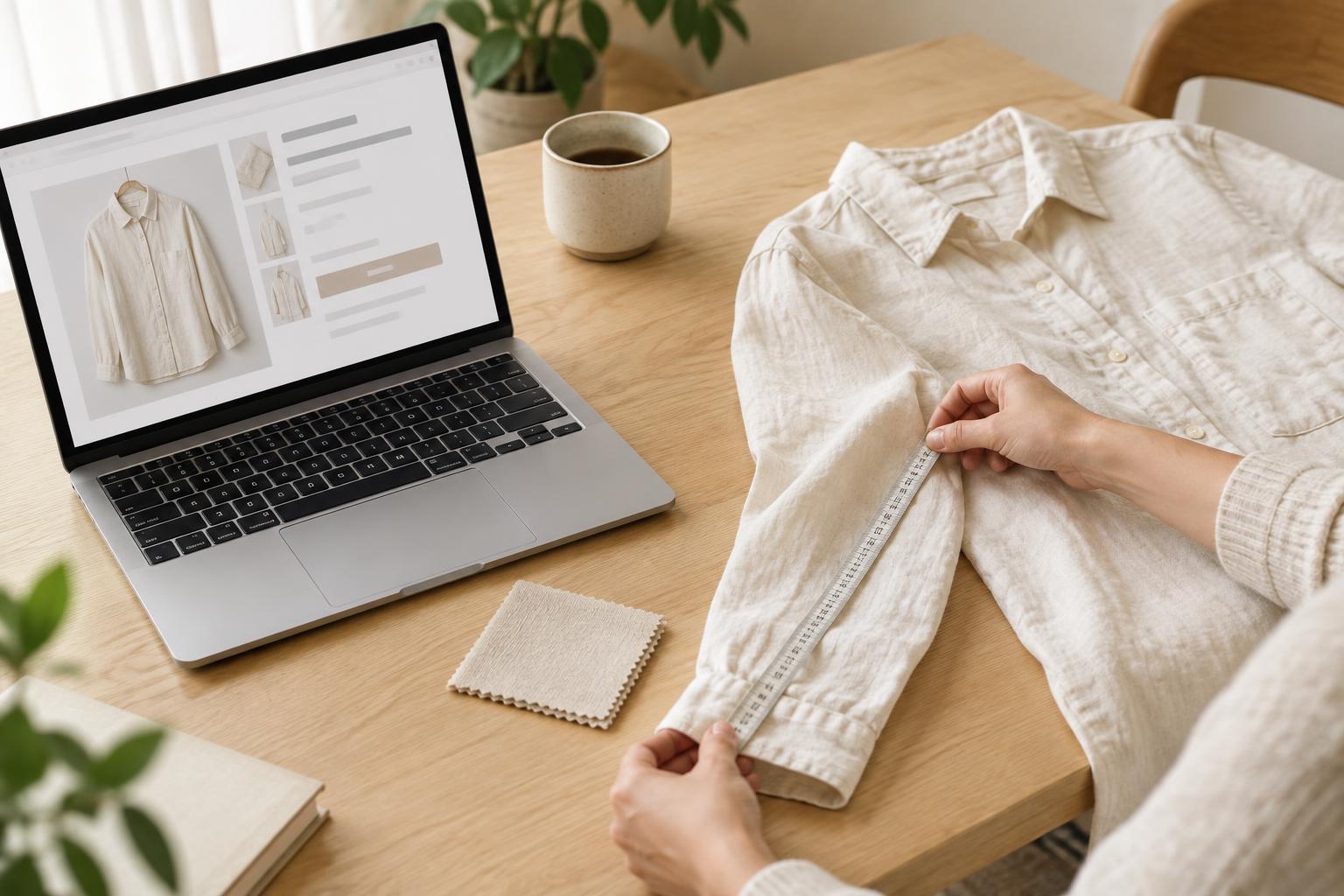
Look for a particular benefit you expect to notice in regular use. Would the new version be easier to clean, more comfortable or better suited to the space you have? Then ask whether the improvement is substantial enough for the cost and effort of changing over. If you would keep reaching for the old item, the new one may not be much of an upgrade after all.
It also helps to decide what happens to the item being replaced. Keeping two versions can make sense when they serve different purposes. If they do not, consider whether you are ready to pass one along, store it or continue using it until it wears out. An upgrade is easier to assess when you count the space it takes, not only the pleasure of choosing it.
A treat can be a good choice without a practical disguise
A treat is something you want chiefly for pleasure: a candle in a scent you enjoy, an accessory that makes familiar outfits feel fresh or a beautiful notebook when you already have one. Pleasure is a legitimate reason to choose something. The point of naming a treat is not to dismiss it, but to be honest about what it offers.
Ask whether you want the experience of owning and using the item, or mainly the brief excitement of finding it. Picture an ordinary day a few weeks from now. Where will it go? When will you reach for it? If you still like the answer, you can consider it on its own terms. If the appeal depends on a sale ending or on becoming a different version of yourself, give the decision more time.
Use the categories as a pause, not a verdict
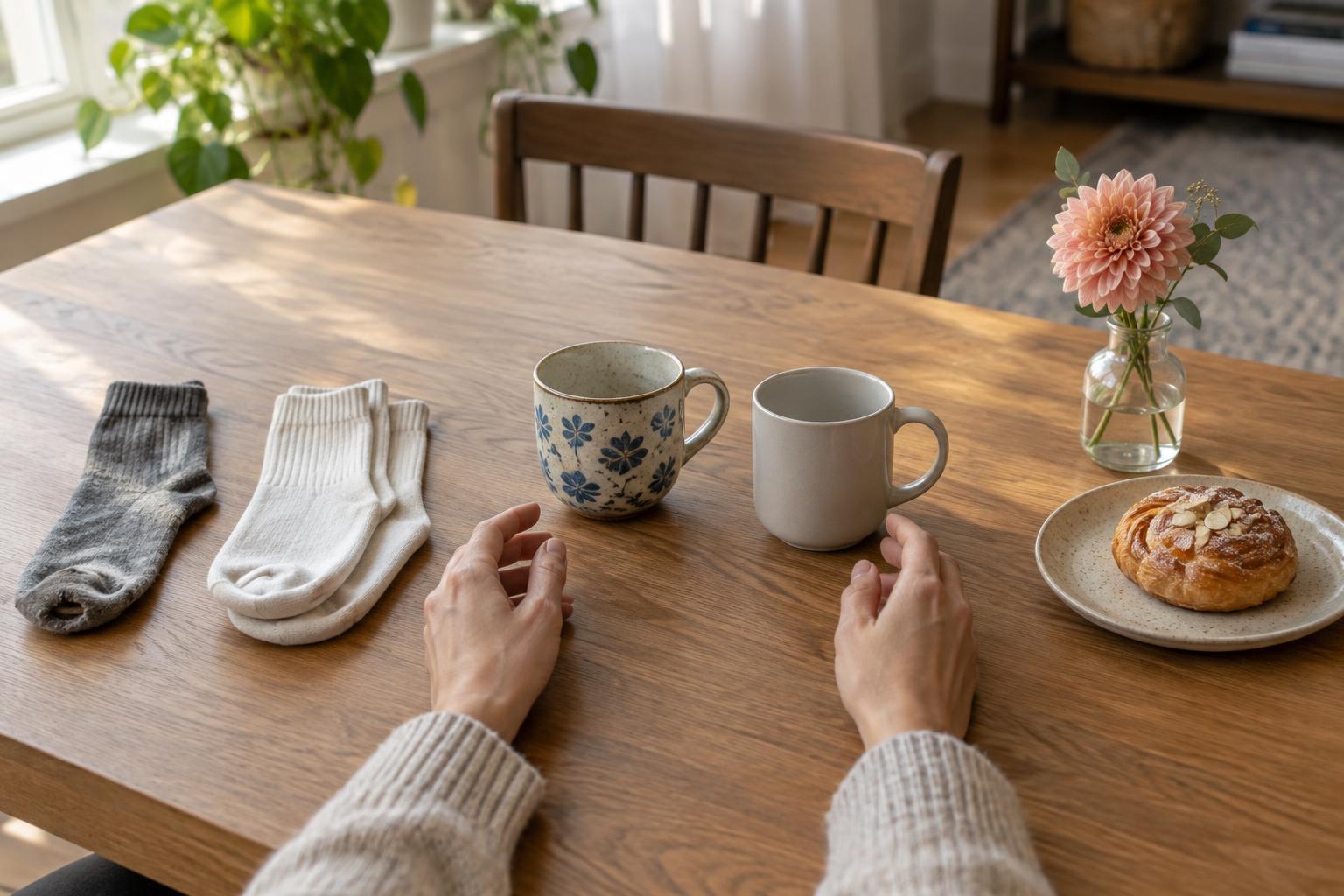
Some purchases belong in more than one category. A replacement mug can meet a need and still be a treat if you choose one that delights you. A coat may be an upgrade for someone with several suitable coats and a need for someone whose only one no longer keeps them comfortable. You do not have to force each item into a perfect box. You only need to notice which reasons are doing the most work.
When you are unsure, write down the problem, the hoped-for improvement and the part that is simply enjoyable. Then check what you already own, where the new item would fit and whether you would still choose it without the pressure to decide immediately. You may buy it, choose a simpler version or leave it for another time. Any of those can be a thoughtful choice when you understand what you are asking the purchase to do.