Start with your spring days, not a shopping list
Before opening a wardrobe or browsing for inspiration, picture an ordinary week. What do you wear for work, errands, time at home and plans with friends? Think about the temperatures you actually encounter, including cooler mornings or indoor spaces. Spring looks different depending on where you live, so a useful wardrobe should answer to your routine rather than an idealized version of the season.
Write down a few simple outfit needs, such as comfortable clothes for walking, one polished combination for an occasion, and layers that are easy to take off. This gives you a way to judge what you already own. A small wardrobe is not about meeting a fixed item count; it is about having enough workable choices without feeling overwhelmed by them.
Find the pieces you already reach for
Pull out the clothes that could work in spring, including pieces stored with your winter or summer things. Set aside anything that fits comfortably, suits your current life and feels like you. A favorite pair of trousers, a worn-in shirt or a lightweight knit is a better starting point than an item you keep hoping you will wear someday.
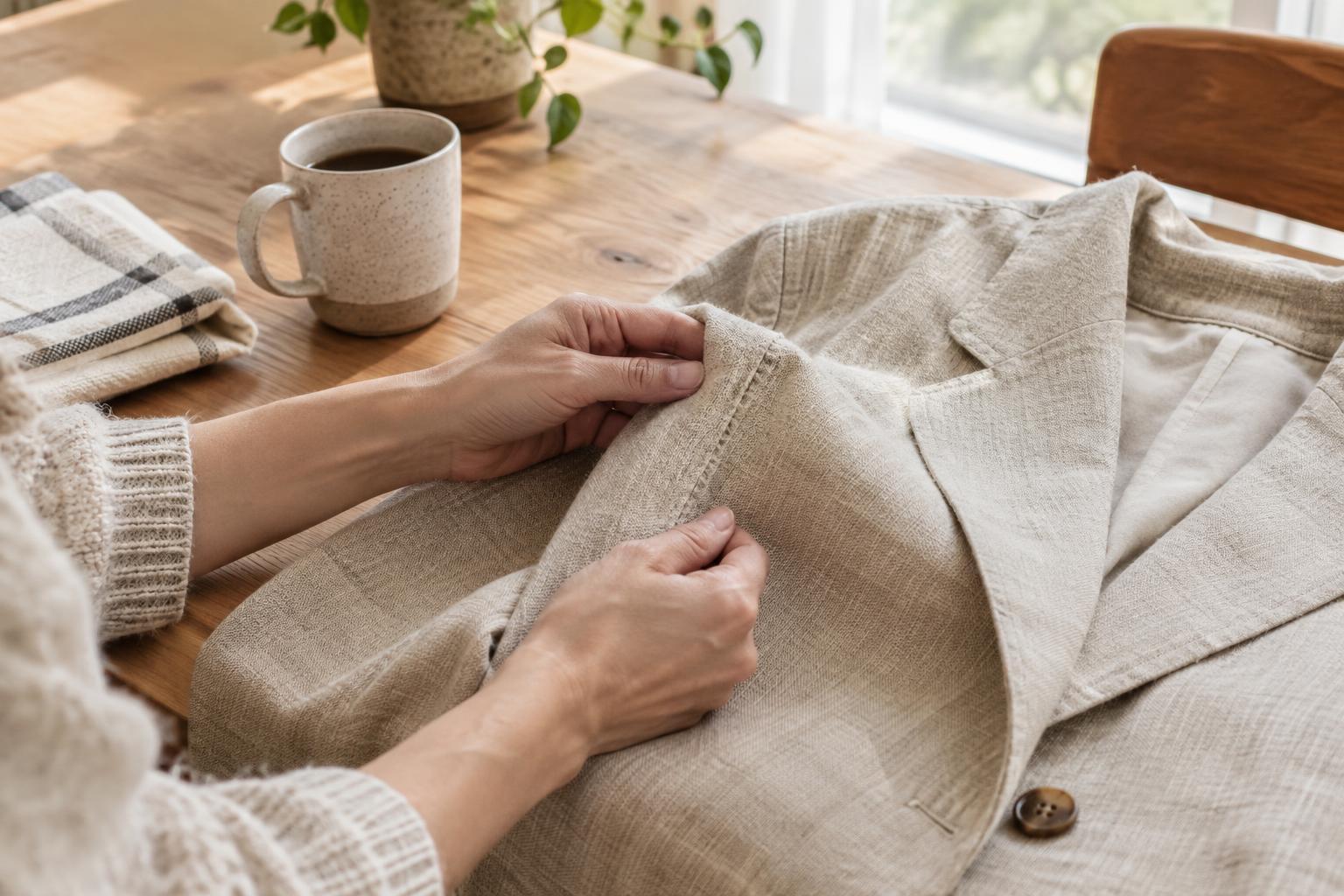
Next, look at the pieces left behind without judging yourself for owning them. Some may need a wash, a small repair or a different way of styling. Others may not fit or feel comfortable right now. You do not have to decide their fate immediately. Put uncertain items to one side so they do not distract you while you build outfits from clothes you are ready to wear.
Make a few outfits before deciding what is missing
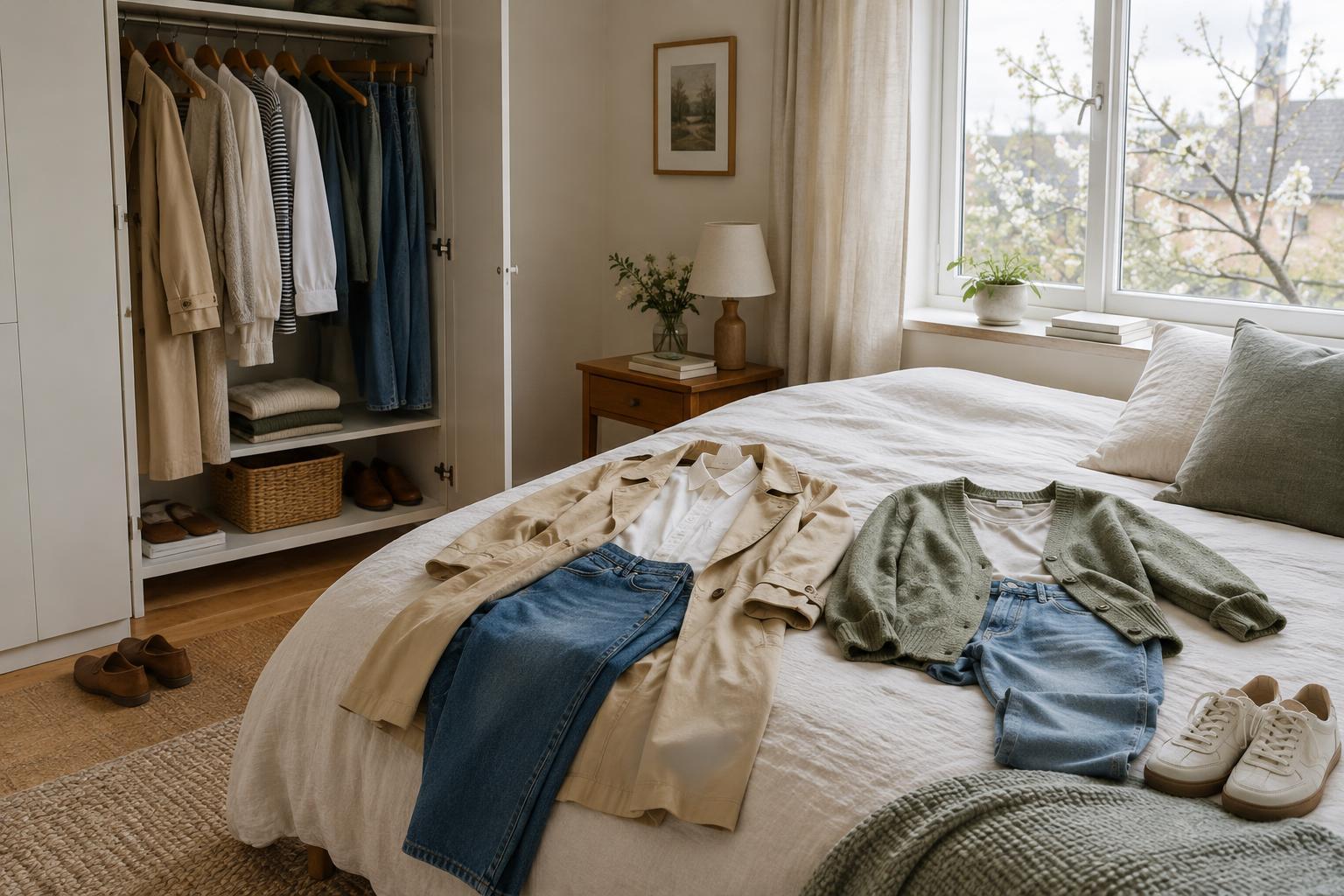
Choose several reliable starting pieces and try making complete outfits with them. For example, a shirt might work open over a T-shirt, tucked into trousers or layered under a sweater. Lay out shoes and outerwear too: an outfit that works indoors but leaves you cold on the way out is not quite finished. If it helps, take quick photos of combinations you like so you can find them again on a busy morning.
Aim for variety through combinations rather than through a large pile of separate looks. A pair of comfortable bottoms that works with three tops is useful; a jacket you can wear with several outfits earns its space. You may notice that your best outfits share a few colors or shapes, but there is no need to force everything into a strict palette. Let the clothes you enjoy wearing show you what belongs together.
Use layers to handle changeable weather
Spring dressing often calls for flexibility. Try pairing a comfortable base layer with a shirt, cardigan or light jacket you can remove easily. The right layers depend on your climate and activities: a breezy walk may call for something different from a day spent indoors. Pay attention to how the pieces feel together, not just how they look on a hanger.
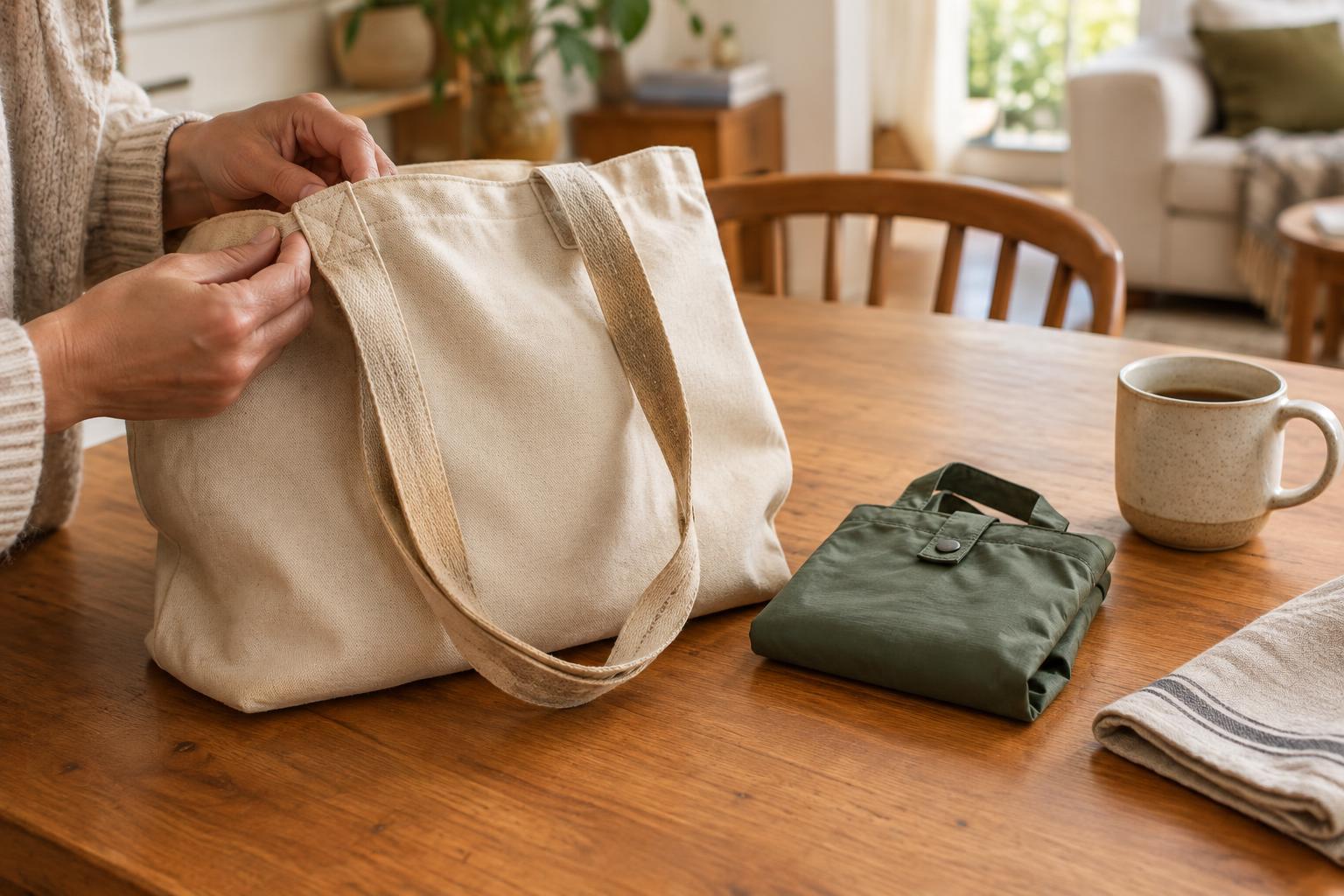
Shoes and small accessories can help existing clothes feel ready for the season. Cleaning a pair of everyday shoes, bringing a lighter scarf back into use or switching to a bag that suits your daily routine may be enough of a refresh. These details are most valuable when they make getting dressed easier, so keep the ones you genuinely use close at hand.
Shop for a named gap, then live with the wardrobe
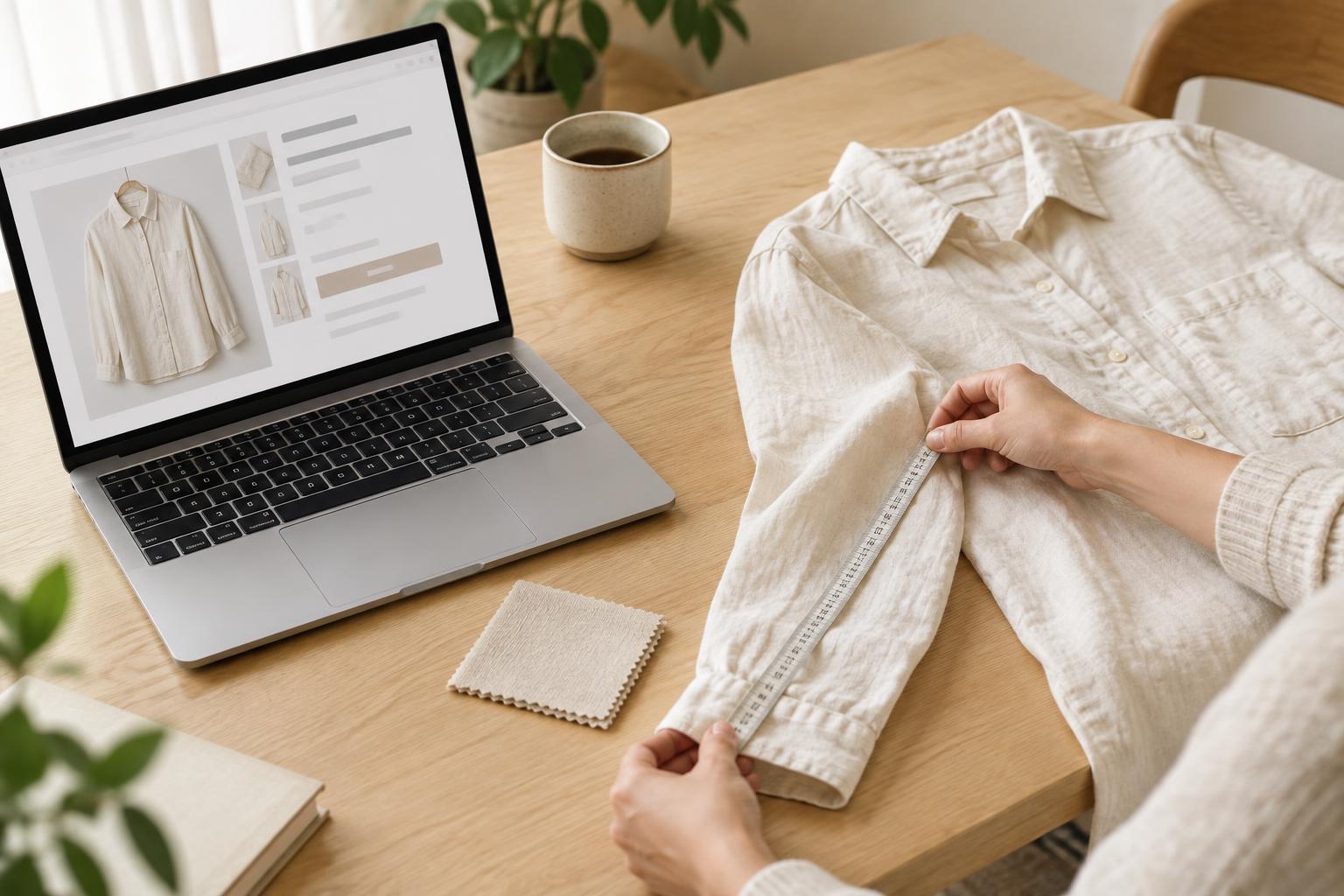
After wearing your spring combinations for a week or two, notice where you get stuck. Maybe you have several tops but no comfortable layer for chilly mornings, or perhaps one pair of shoes cannot handle your usual walks. Describe the gap as specifically as you can before looking for a replacement. Check whether a piece you own can be repaired or styled differently first.
If you do buy something, consider how it will work with several outfits you already wear and whether you will be comfortable caring for it. Then give your small wardrobe time to prove itself. As the weather and your schedule change, you can adjust what stays within easy reach. The goal is not a perfect spring wardrobe on day one, but a collection of clothes that helps you get dressed for the life you have.