Give yourself room to choose
An impulse purchase often begins with an appealing possibility: a jacket that seems to complete every outfit, a basket that promises to tidy a shelf, or a notebook that might inspire a new routine. There is nothing wrong with enjoying that moment. The difficulty comes when the excitement of finding something gets mistaken for a lasting need or preference.
A waiting period is a small agreement with yourself to delay an unplanned purchase before deciding. It is not a rule that you must never buy treats or beautiful things. It simply separates the pleasure of discovering an item from the decision to bring it home. When the pause is over, you can still say yes—with a clearer sense of why.
Match the pause to the purchase
Choose a timeframe that is easy to remember and realistic to follow. You might wait until the next day for a small, nonessential item, several days for a piece of clothing, and longer for furniture or another purchase that takes up significant space or money. The exact length matters less than making the choice before you are tempted to rush.
It can help to set exceptions in advance. Replacing a broken everyday essential may not call for a long pause, especially if going without it would make daily life difficult. A planned purchase that you have already considered also differs from something you noticed while browsing. A waiting period works best when it supports your life rather than turning every errand into a test of willpower.
If an offer is described as ending soon, notice whether that deadline is driving your decision. Missing a discount can feel disappointing, but a lower price does not make an unsuitable item useful. Give yourself permission to let an opportunity pass when you need more time to think.
Keep a wish list you can actually use
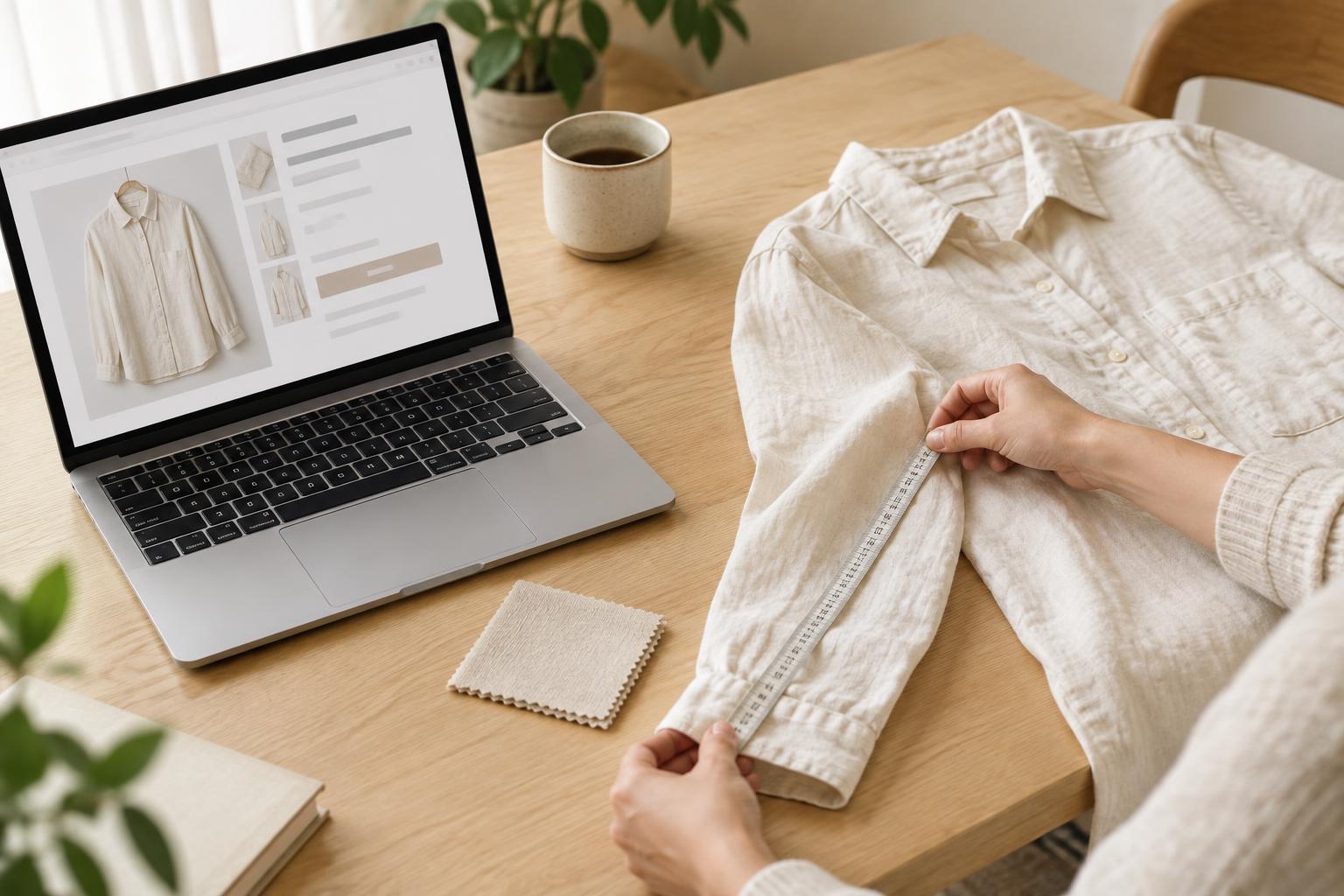
Instead of leaving the item in an open browser tab or repeatedly returning to a shop, add it to a simple wish list. Record what it is, its price, the date you noticed it, and the reason you want it. Be specific: “a lightweight layer for cool walks” is more useful than “nice jacket.” If size, material, care requirements, or measurements matter, include those details too.
This list gives the thought a place to rest without requiring an immediate decision. It may also reveal patterns. Perhaps you keep saving versions of the same useful accessory, which could point to a genuine gap. Or perhaps the items you save after a tiring day rarely seem appealing later. Neither observation needs to become a judgment; both can help you shop with more awareness.
When possible, step away from the product page during the pause. Repeatedly checking an item can keep its novelty fresh, making it harder to tell whether you want the object itself or enjoy thinking about buying it.
Ask practical questions when you return
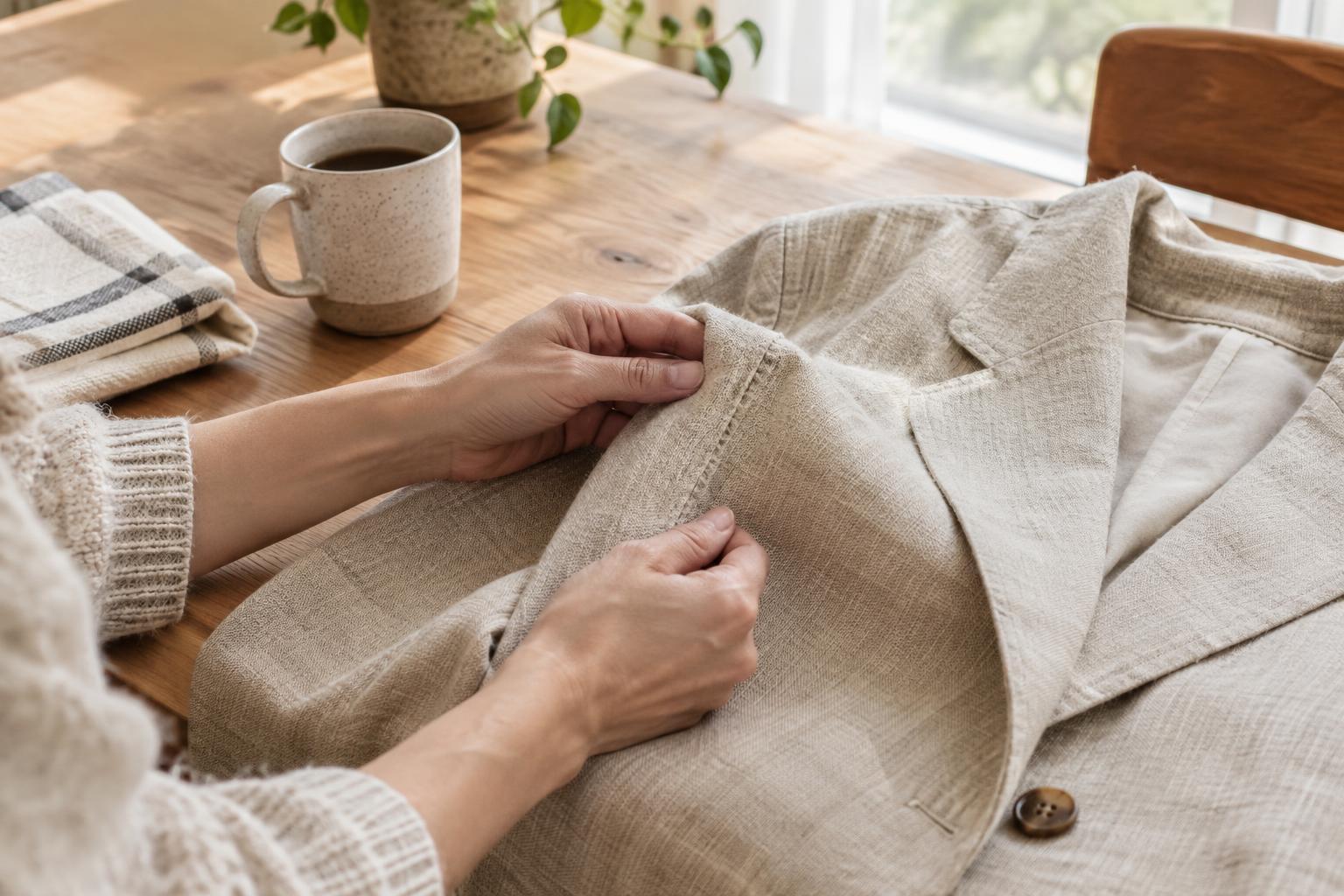
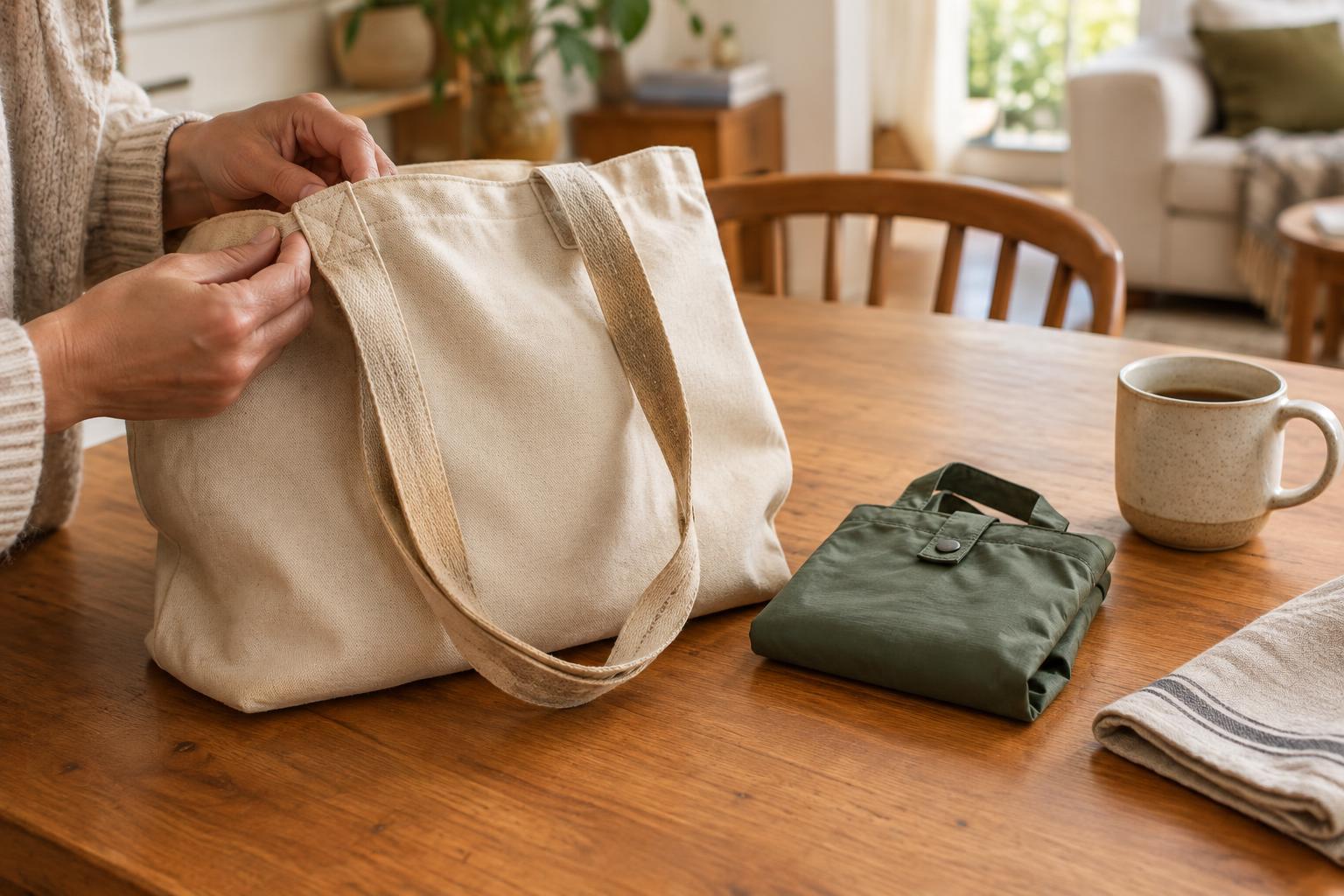
At the end of the waiting period, look at the item in the context of what you already own. For clothing, imagine at least a few real occasions when you would wear it and consider whether it works with pieces you reach for now. For a home item, decide where it would live and what it would replace or improve. A purchase can be attractive and still be a poor fit for your space, habits, or available time.
Then consider the full commitment. Is the price comfortable within the money you have set aside for discretionary purchases? Will the item require special care, storage, supplies, or maintenance? Could something you own already serve the same purpose? These questions are not meant to drain the enjoyment from shopping. They help you picture the item as part of an ordinary week, not just as a new arrival.
If you still want it and the practical details make sense, buying it can be a considered choice. If you feel indifferent, remove it from the list. You have not lost anything by waiting; you have learned what does not need a place in your life.
Make the habit gentle enough to keep
A waiting period is easier to use when it feels like a routine rather than a punishment. You could review your wish list on a quiet weekend, or set a reminder for the day you are ready to reconsider a particular item. You do not have to explain or defend every small pleasure. The aim is to make room for purchases you will appreciate while reducing the ones that only felt urgent for an afternoon.
Some decisions will remain uncertain even after a pause. In that case, waiting a little longer is an option, as is deciding that the item is worth trying if it fits your priorities. Over time, the most useful result may be the moment of breathing room itself: a chance to choose what belongs in your wardrobe, your home, and your everyday routines.