Start with the day you have planned
A covered-up summer outfit works best when it fits what you will actually be doing. A short walk to a café, an afternoon in the garden and a day spent moving between indoors and outdoors may call for different layers. Before getting dressed, think about how long you expect to be outside, whether you will have access to shade and how easily you can carry a layer when you no longer need it.
Coverage does not have to mean dressing heavily. A loose long-sleeved shirt over a simple top, a longer skirt with an airy shape or relaxed trousers can cover more skin without feeling restrictive. Choose pieces you can sit, walk and reach in comfortably. If an outfit needs constant adjusting to keep your shoulders or legs covered, a different cut may be the easier choice.
Look for coverage in the shape of a garment
Sleeve length is only one detail. Necklines, shoulder seams and hems all affect how much skin an outfit covers as you move. A shirt with a collar and sleeves you can leave down offers more flexibility than a sleeveless layer. A dress with a higher neckline or a skirt that stays in place when you sit may feel simpler for a long day out.
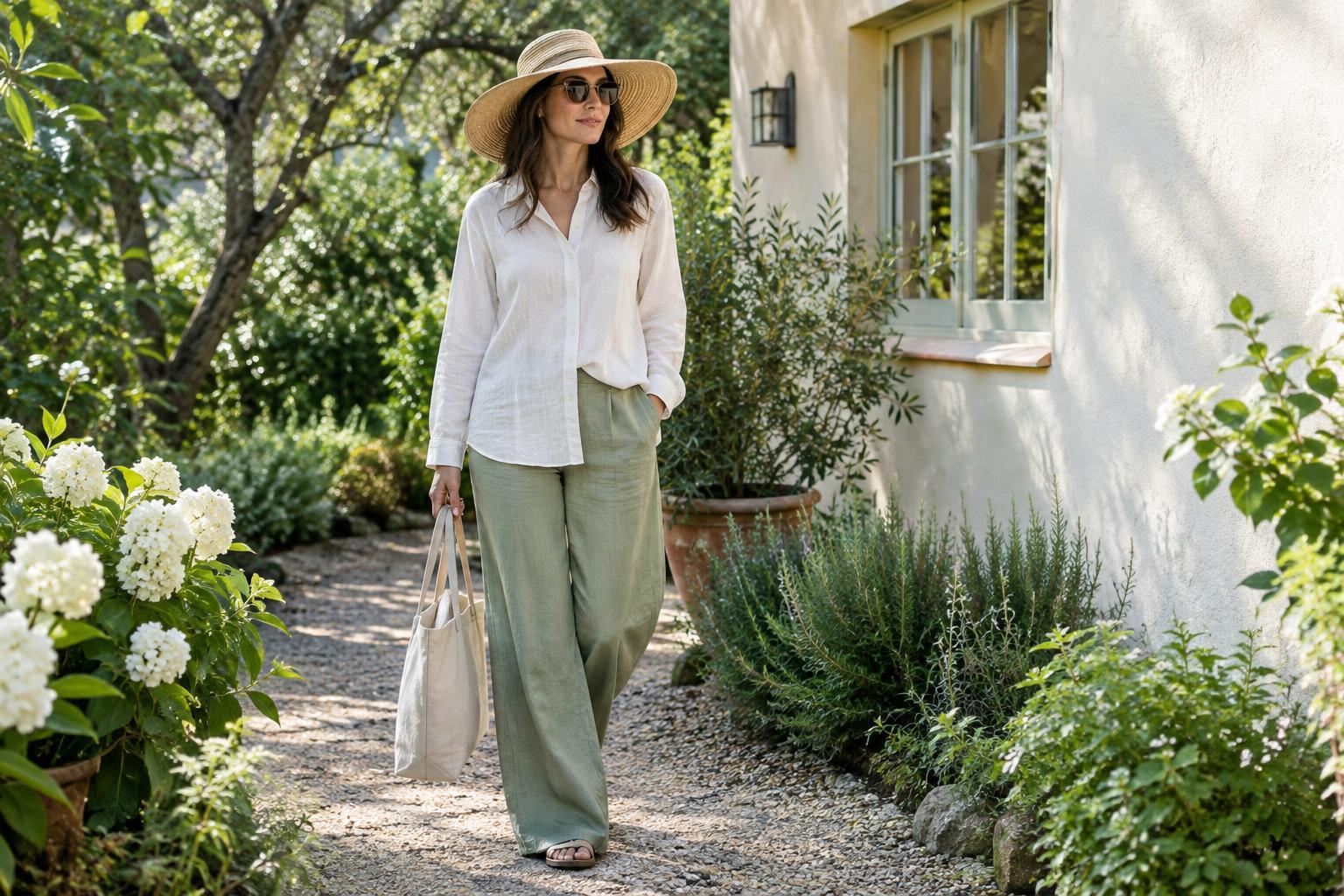
Loose shapes can make warm-weather coverage more comfortable by allowing room for air to circulate. Try wide-leg trousers, straight-cut linen-blend shirts or an easy midi dress rather than relying on tight layers. Pay attention to fit at the wrist, waist and back of the neck: these small areas are easy to overlook when you assess an outfit in the mirror. When trying something on, raise your arms and sit down to see how the coverage changes.
Choose fabric with comfort and coverage in mind
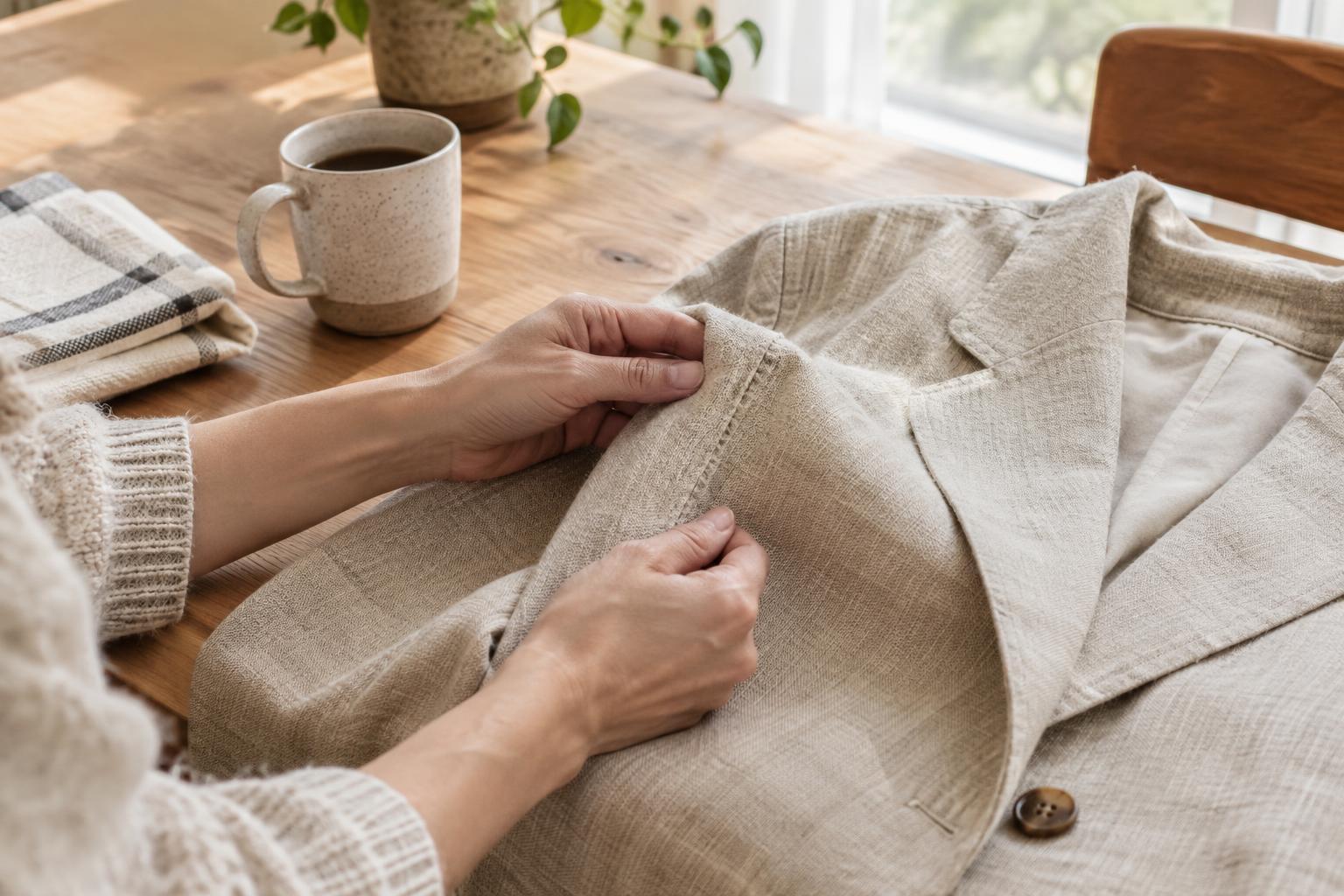
Fabric makes a noticeable difference to how a summer outfit feels. Lightweight cotton, linen and other breathable-feeling materials can be pleasant in warm weather, but a fabric that feels cool is not necessarily the one that provides the most sun coverage. Very thin or loosely woven cloth may let more light through than a denser fabric. Hold a garment up to the light as a simple way to notice how sheer it is, while remembering that this is not a precise measure of protection.
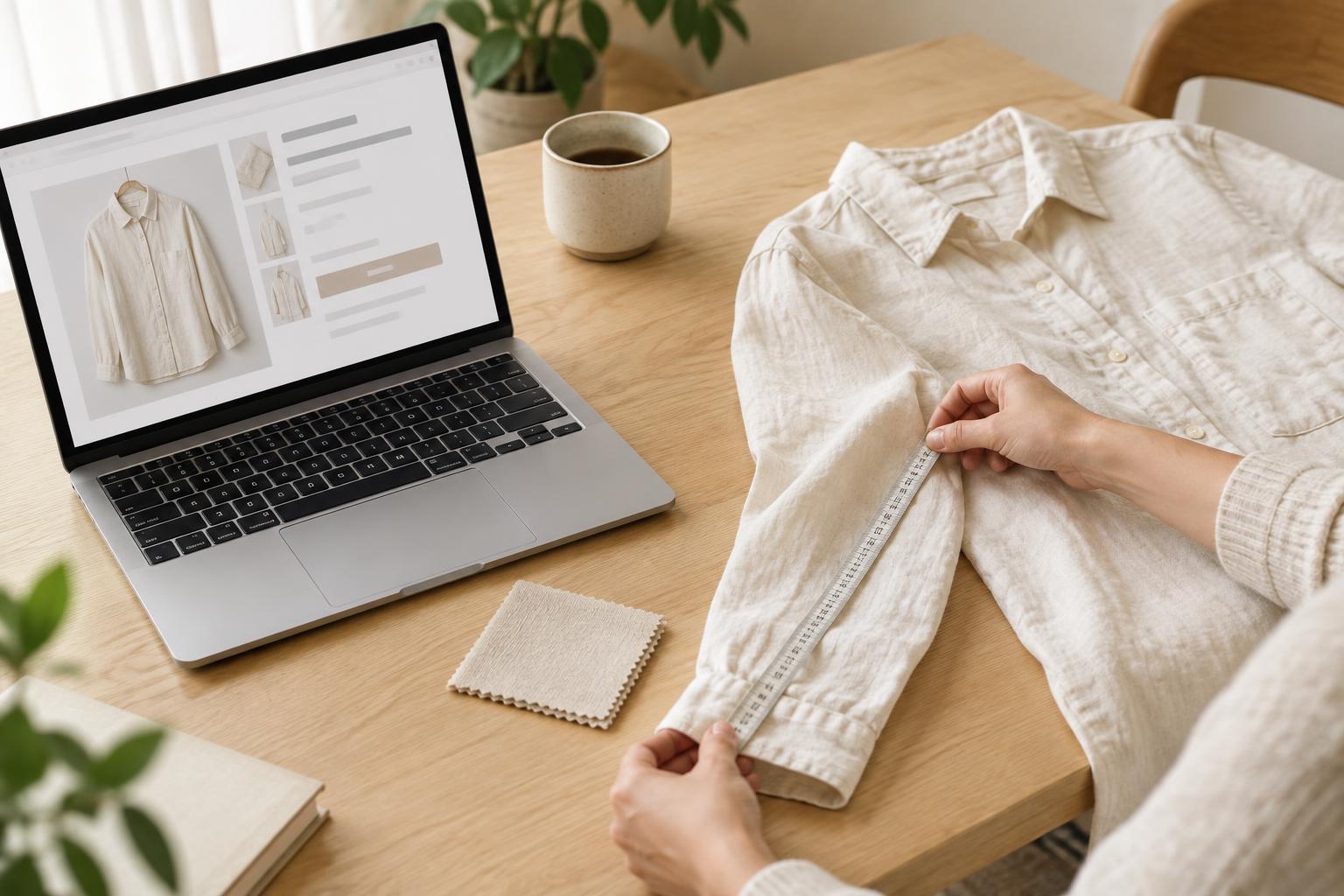
If sun coverage is a priority, you may prefer clothing with a stated UPF rating, especially for pieces you expect to wear outdoors often. Check the garment information rather than assuming that a particular color or fiber will perform the same way in every item. Also consider how the piece behaves during your day: fabric that becomes damp, stretches tightly across the body or requires a heavy underlayer may be less useful than it first appears. The best choice is one you are comfortable wearing consistently.
Make accessories part of the outfit
A hat can add coverage without changing the rest of what you wear. Look for a brim that shades your face and gives some attention to your ears and the back of your neck. A hat that stays put when you walk is more useful than one you keep taking off or holding in place. If you prefer a smaller brim, a lightweight collared shirt can help cover the neck area that the hat leaves exposed.
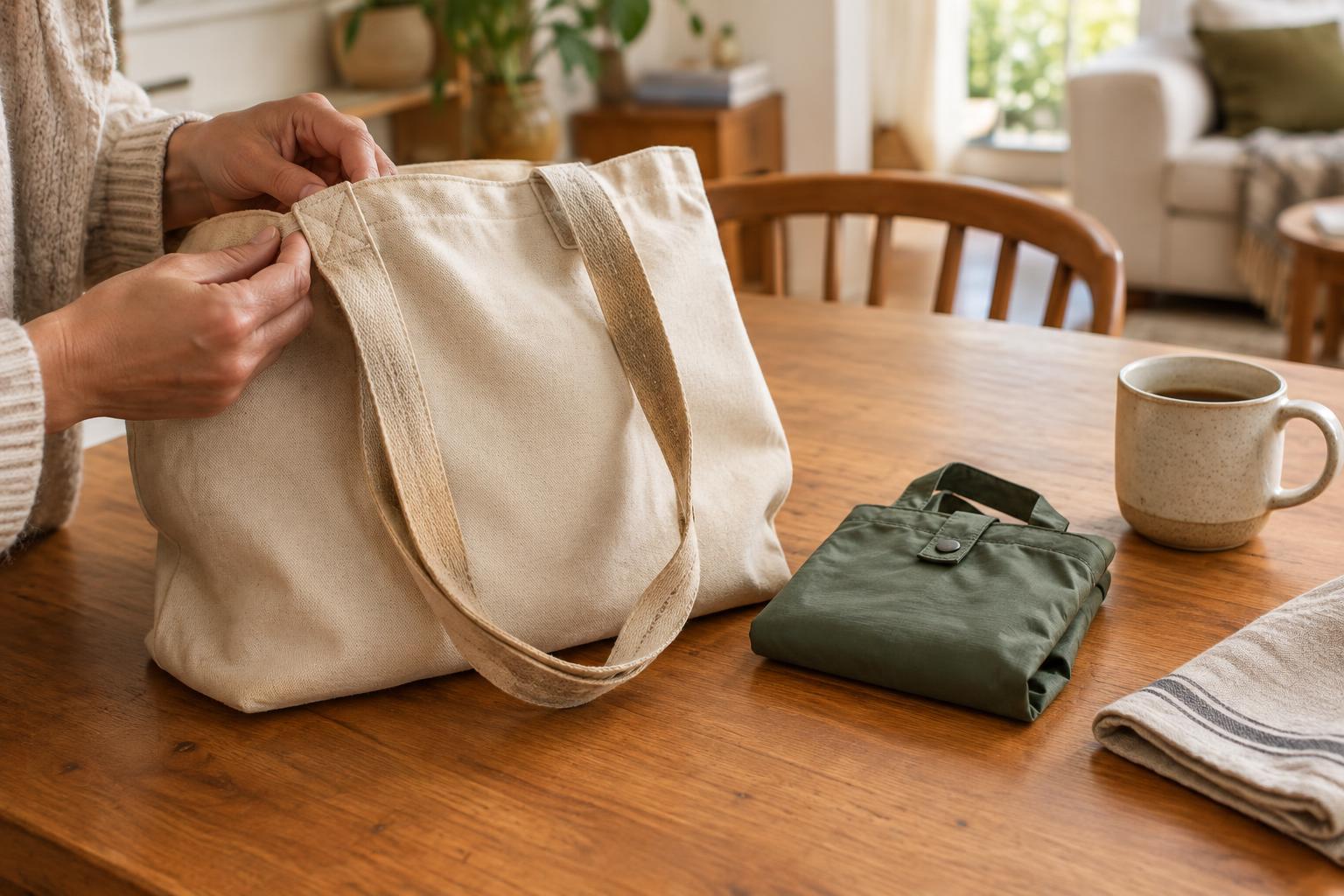
A thin overshirt, scarf or wrap can be handy when your plans change, provided it is comfortable enough to keep on. Packable pieces are particularly useful when you move between sunny streets, shaded spaces and air-conditioned rooms. Sunglasses can also be a practical addition; choose a pair you find comfortable and check its labeling if you want information about UV protection. Accessories work best when they solve a real need rather than adding another item to manage.
Build a few dependable combinations
You do not need a separate wardrobe for every sunny day. Start with an outfit you already like, then see whether one change could add coverage. Swap a sleeveless top for a loose button-front shirt, wear an open overshirt above a dress or pair a familiar T-shirt with lightweight longer trousers. Neutral layers can be easy to repeat, but color and pattern are welcome if they help the outfit feel like yours.
Before buying anything new, test your combinations on an ordinary day. Notice whether the fabric feels comfortable, whether your hat stays on and whether you reach for the extra layer when you step outside. Adjust from there. Clothing is one part of planning for time in the sun, alongside choices such as seeking shade and using sun protection appropriate to your needs. A useful summer outfit is not the one with the most pieces; it is the one that gives you the coverage you want and still lets you enjoy your day.