Start with the clothes you still want to wear
Early autumn often brings a familiar dressing puzzle: the morning feels cool, but the afternoon still calls for short sleeves. Rather than packing away every summer piece, look for the items you already enjoy wearing and consider what they need to feel comfortable for a longer day. A cotton dress might need a cardigan; loose trousers might work with a warmer top. The aim is not to make summer clothes look wintry, but to give them a little more flexibility.
Begin with pieces that fit comfortably and can sit beneath a layer without bunching. Plain T-shirts, lightweight shirts, simple dresses and relaxed skirts are often easy starting points. Very delicate fabrics or clothes designed for intense heat may be less useful once the air turns crisp. There is no need to force a seasonal transition for an item that no longer feels pleasant to wear.
Build an outfit that can change during the day
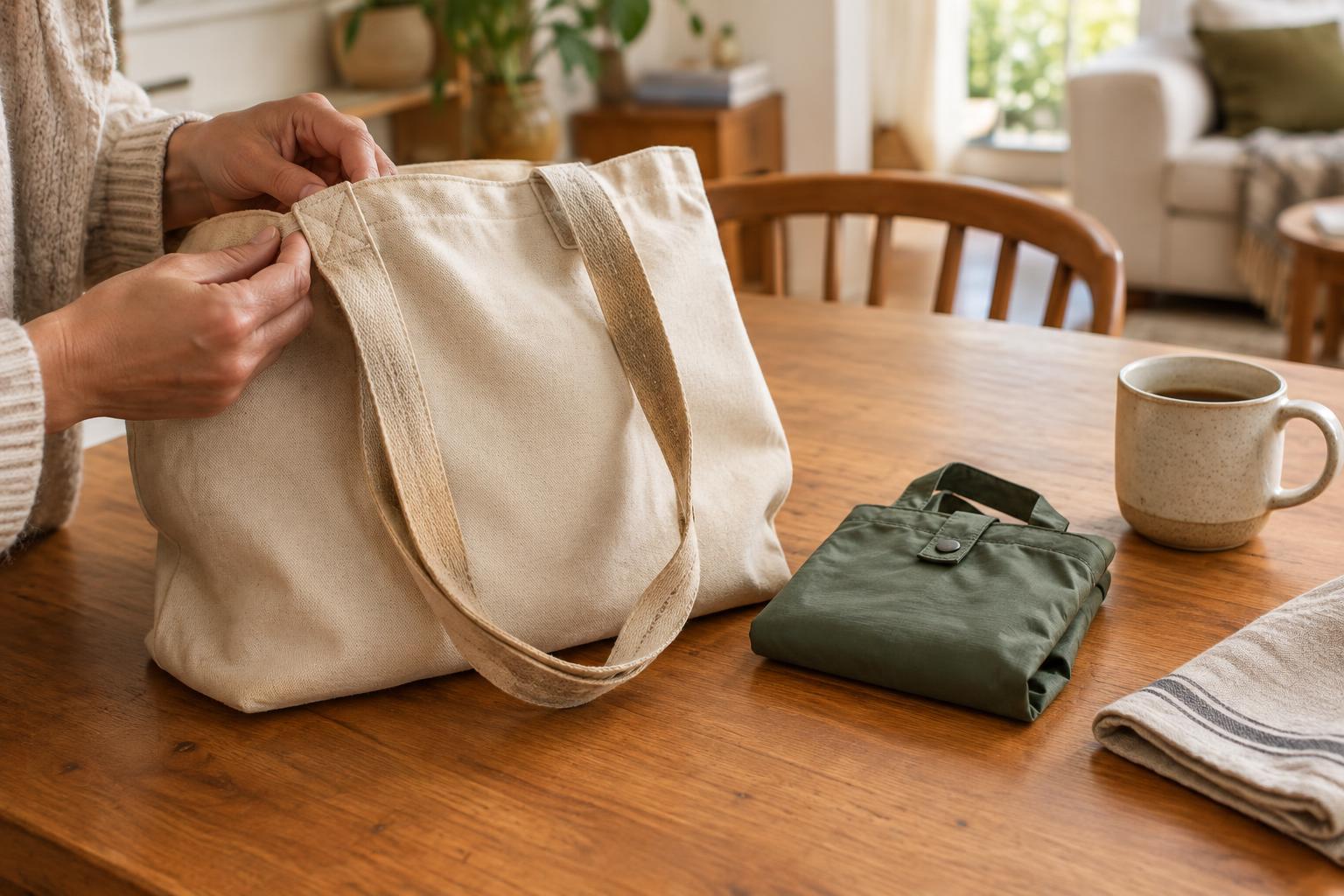
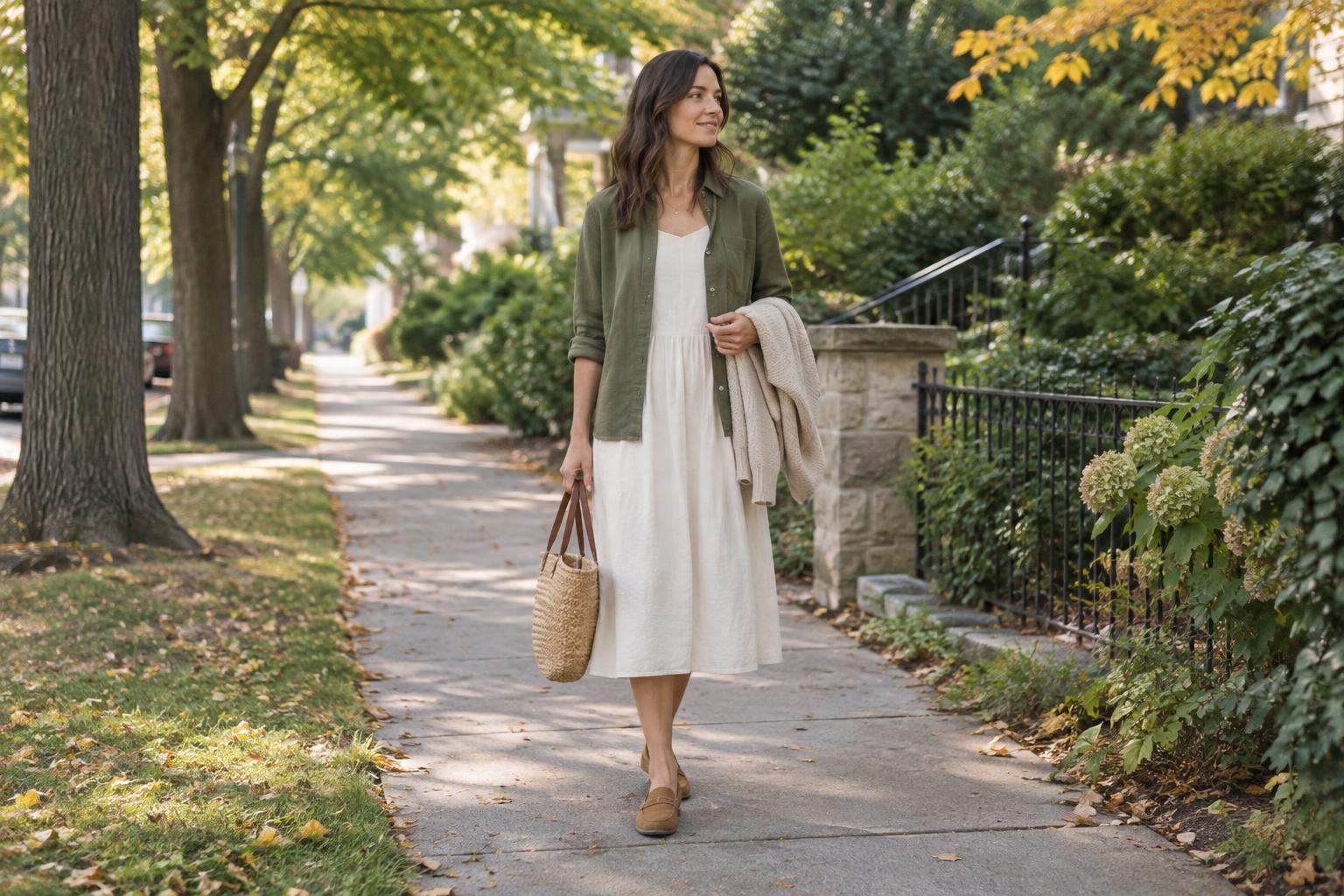
A removable top layer does much of the work in early autumn. Try an open button-down shirt over a sleeveless top, a soft cardigan over a dress, or a light jacket with a T-shirt and shorts. These combinations let you adjust without changing your whole outfit. If you tend to carry a bag, choose a layer that folds easily enough to take along when the day warms up.
Think about where you will spend your time as well as the temperature outside. A breezy walk, a cool room and a sunny afternoon may each call for something different. One dependable outfit formula is a breathable base, a layer you can remove, and shoes that suit the longest stretch of your day. Repeating a formula you like can make unpredictable mornings much easier.
Use texture and colour to shift the mood
You do not have to abandon bright colours when summer ends. A cheerful linen shirt can look at home beside dark denim, while a pale dress can feel more grounded with a textured cardigan. If you prefer a quieter palette, try combining one summery item with familiar neutrals such as navy, brown, charcoal or cream. The contrast often makes the outfit feel intentional without requiring anything new.
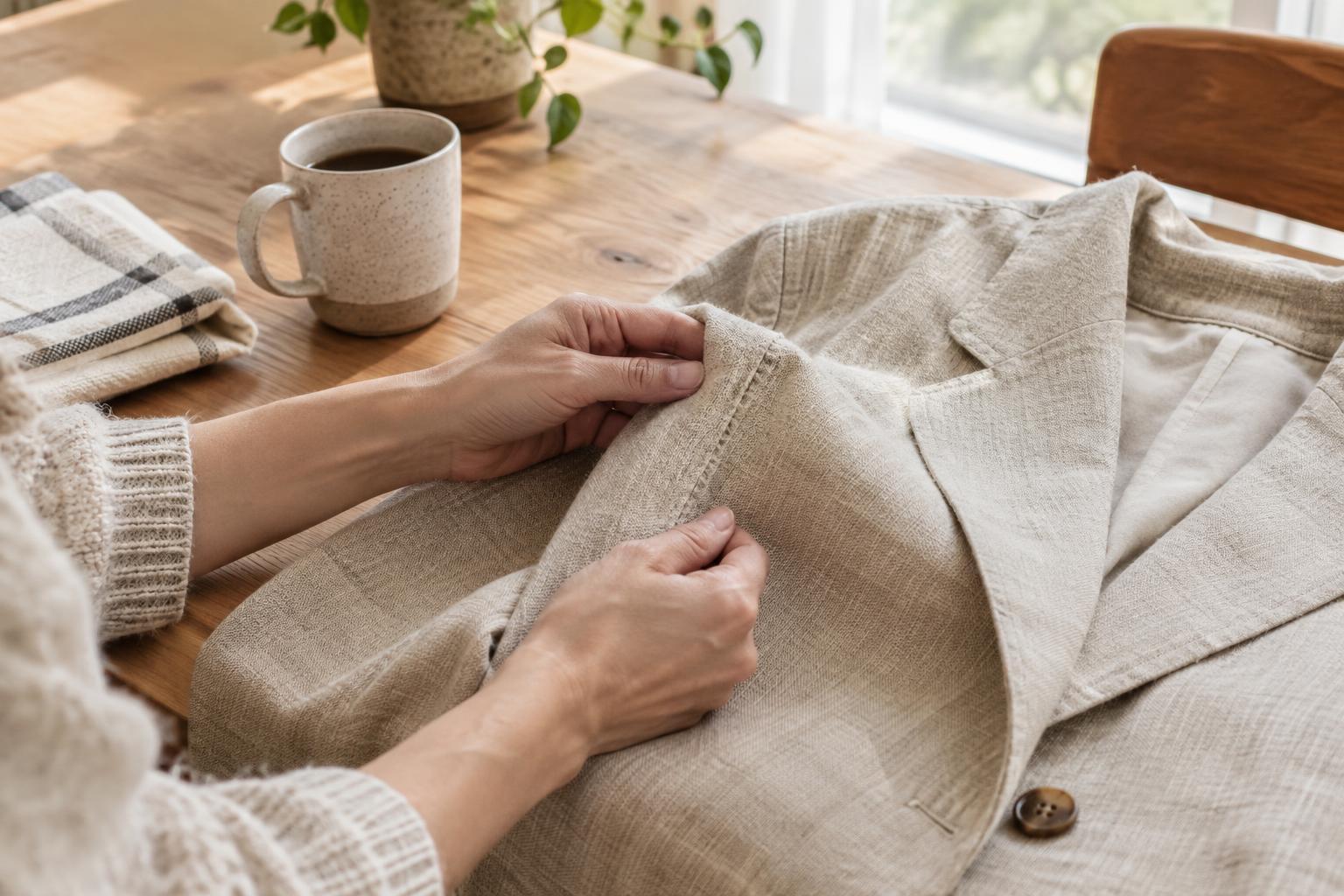
Texture can be just as useful as colour. A knitted layer, sturdy cotton overshirt or soft scarf adds visual warmth to a lightweight piece. Keep comfort in mind: piling heavy fabrics over thin clothes can feel awkward if the afternoon is still warm. A small change, such as swapping a smooth summer bag for a woven or canvas one, may be enough to make an outfit feel suited to the season.
Let shoes and accessories do practical work
Footwear can make a summer outfit more useful when the weather changes. Closed-toe flats, trainers or comfortable loafers may offer a little more coverage than sandals while still working with dresses, shorts and cropped trousers. Choose according to your plans and the conditions underfoot, rather than assuming that early autumn calls for boots every day.
Small accessories can also extend the usefulness of lighter clothes. Socks can make favourite shoes feel more comfortable on cooler mornings; a scarf can add warmth without taking up much room in a bag. If a summer dress feels too exposed, consider whether a shirt worn open or a light sweater draped over your shoulders gives you the coverage you want. Each addition should solve a real comfort problem, not simply make the outfit look seasonal.
Make the transition at your own pace
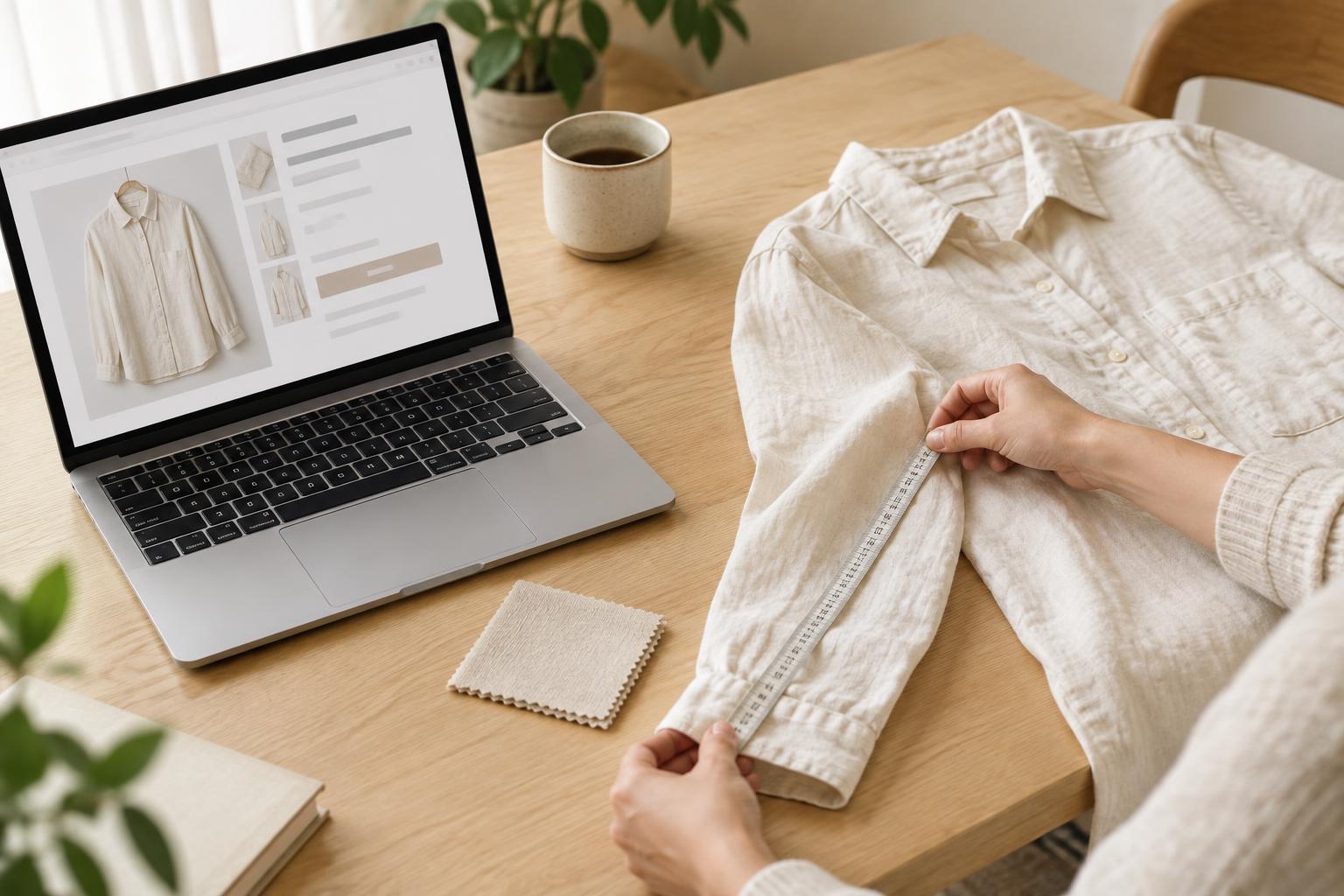
Before putting summer clothes away, try making a few outfits from what is already in your wardrobe. Lay out one warm-day option and one cool-day version of the same base piece. For example, wear a skirt with a light top on its own, then add a cardigan and closed-toe shoes when needed. A quick try-on can reveal whether the layers move comfortably together and whether you can remove one without leaving the outfit feeling unfinished.
Keep the most useful pieces within easy reach and store the rest when you are ready. What works will depend on your climate, routine and tolerance for temperature changes, so there is no fixed date for a wardrobe switch. Early autumn dressing is often simplest when you treat it as an adjustment: keep what feels good from summer, add only the warmth you need, and let each day guide the details.