Buying for an imagined wardrobe
It is easy to picture a new accessory with an outfit you might put together someday. Perhaps a structured bag seems right for a polished version of your routine, or a bright scarf would be lovely with a coat you do not own. There is nothing wrong with buying something playful. The mistake is expecting it to become an everyday favorite when it has no clear place in the clothes you already reach for.
Before buying, name three outfits you could wear it with now. Think beyond color: consider shape, texture and how dressed-up the accessory feels beside your usual clothes. If every combination depends on another purchase, pause. You may still want the item as an occasional accent, but that is a different reason to buy it.
Not testing comfort in real movement
Accessories are often judged while standing still. A bag may sit neatly on your shoulder until you walk with it; earrings may feel light for a moment but distracting after an hour. A belt can look right in the mirror yet press uncomfortably when you sit. Small annoyances matter when you hope to wear something often.
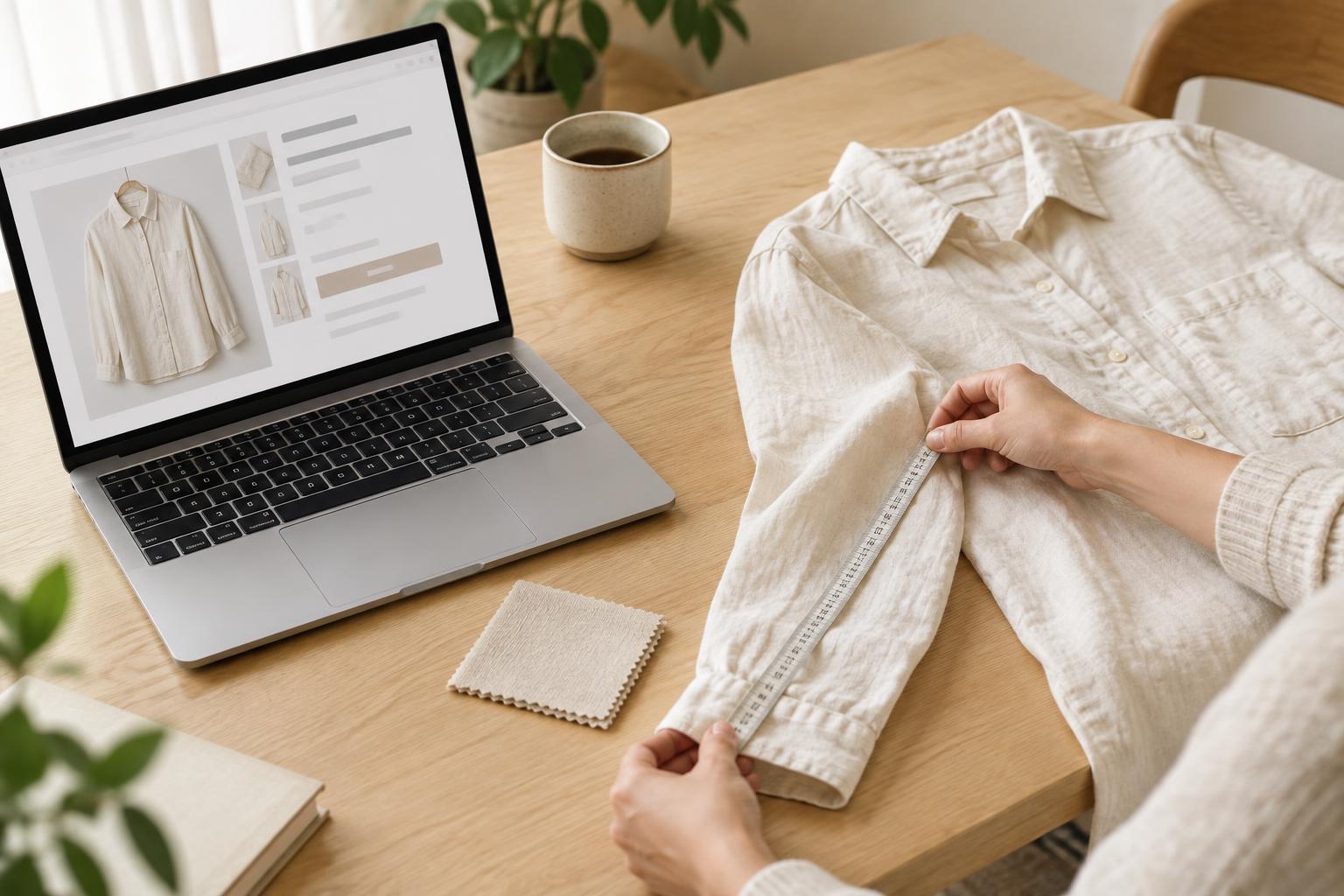
Try to mimic ordinary use before you decide. Put your usual essentials in a bag and see whether you can find them easily. Sit, bend and walk while wearing a belt or scarf. Check whether a bracelet catches on sleeves or a necklace shifts when you move. When shopping online, compare measurements with an accessory you own, and check the return terms before removing tags or packaging.
Overlooking the details that make it usable
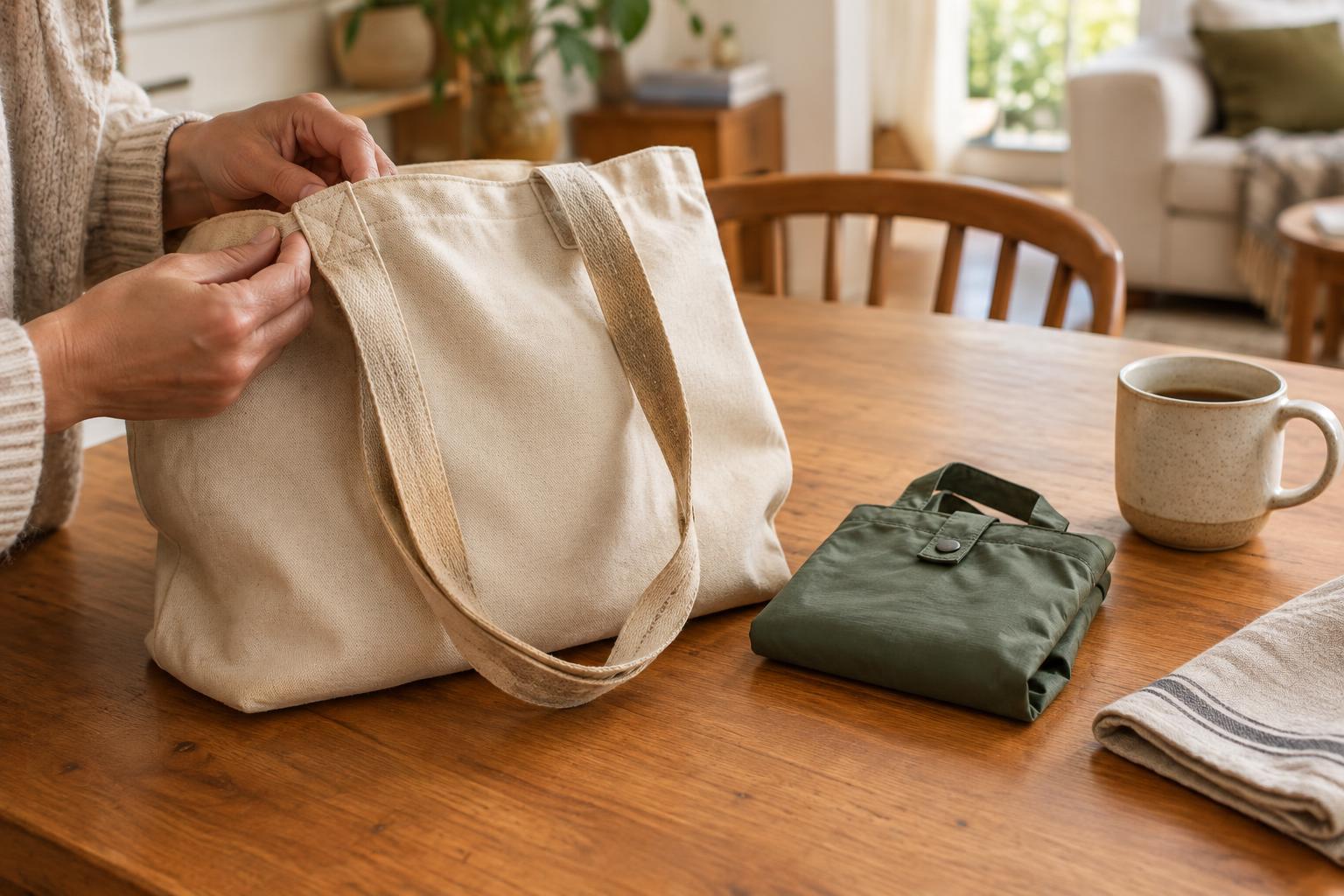
A pleasing design does not always meet the practical needs of your day. A beautiful tote might lack a secure place for keys; a slim belt may not fit the loops on the trousers you wear most. Closures, strap lengths, pocket placement and weight can have more influence on repeat wear than a striking first impression.
Make a short list of what the accessory must do. For a bag, that might mean fitting your daily items without becoming awkward to carry. For jewelry, it might mean a clasp you can fasten yourself. For a winter scarf, it could mean enough length to wrap comfortably without too much bulk under your coat. Treat these requirements as part of the design, not as dull details to consider afterward.
Ignoring care and storage
Some accessories ask for more attention than others. A delicate surface may mark easily; an intricate piece may need careful storage to avoid tangles. Even a useful item can fall out of rotation if wearing it adds a cleaning task you rarely have time for. This does not make high-maintenance pieces poor choices, but it helps to be honest about the effort they require.
Ask how you would clean, store and carry the item between uses. Check any care information provided, especially if the material is unfamiliar. Then picture where the accessory would live at home. A designated hook, tray or drawer can make an everyday piece easier to reach and less likely to be forgotten.
Confusing a good deal with a good fit
A reduced price, a limited selection or an appealing display can make a choice feel urgent. The temptation is to ask whether the item is worth the price rather than whether you want to use it. An inexpensive accessory that never leaves its box offers little value to your wardrobe, while a carefully chosen item within your budget may serve you for longer.
Give yourself a moment to identify why you want it. Would you still be interested at home, away from the display? Does it fill a gap, replace something worn out or bring genuine pleasure to several familiar outfits? You do not need every purchase to be perfectly practical. Knowing whether you are buying for frequent use or for occasional delight simply lets you choose with clearer expectations.