Start with how the day will feel
Hot, humid weather asks a little more of an outfit than a high temperature alone. When the air feels damp, sweat may not evaporate as readily, and fabric that clings to the skin can feel uncomfortable. The goal is not to find one perfect summer garment. It is to put together clothes that allow movement, feel pleasant against the skin and suit the places you will visit.
Before getting dressed, think through the day: Will you be walking outside, sitting on public transport or spending hours in an air-conditioned room? A breezy outfit for a short errand may need a light extra layer for a cool office. Planning around those changes can be more useful than dressing for the temperature at just one point in the day.
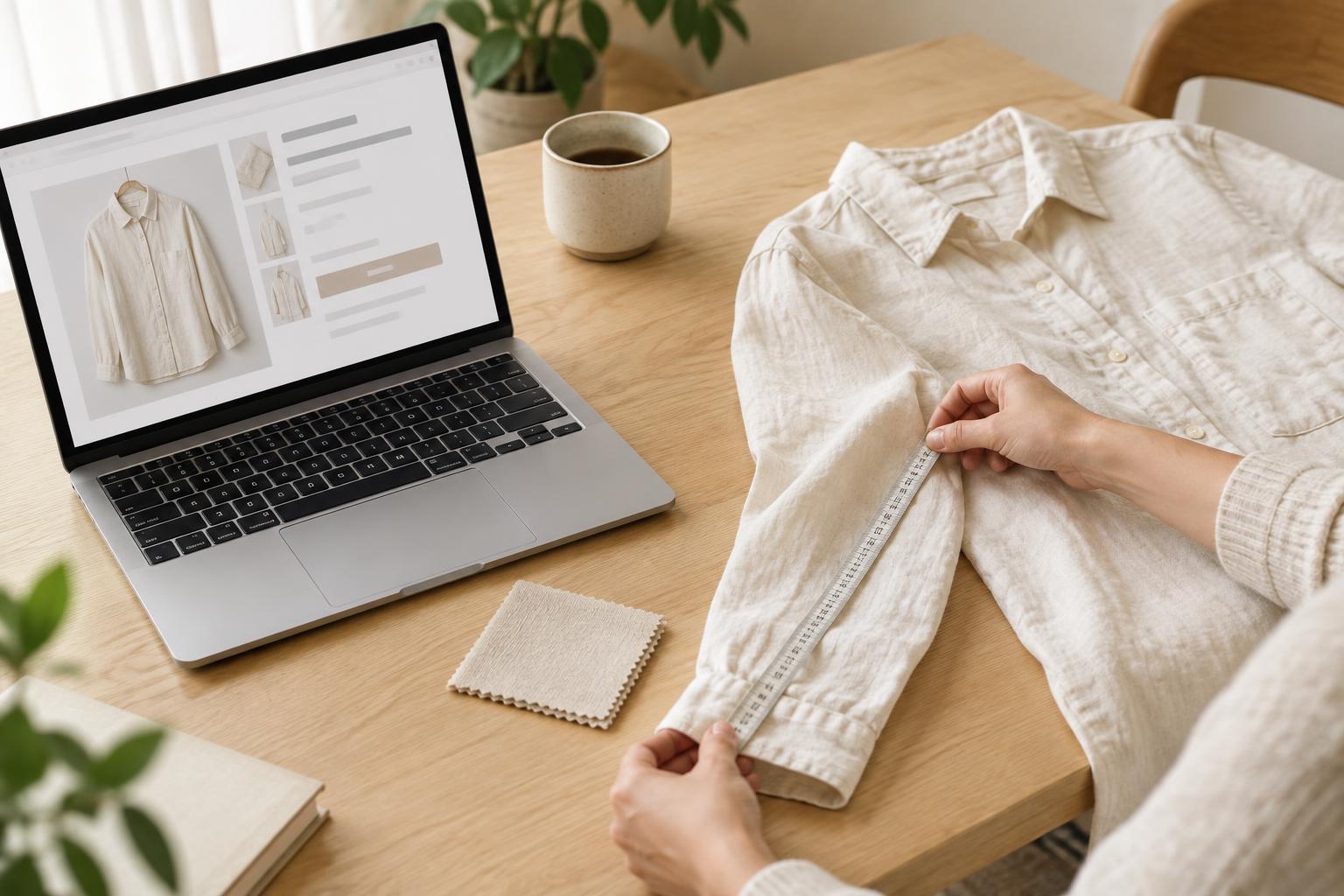
Choose fabric by feel, not just by label
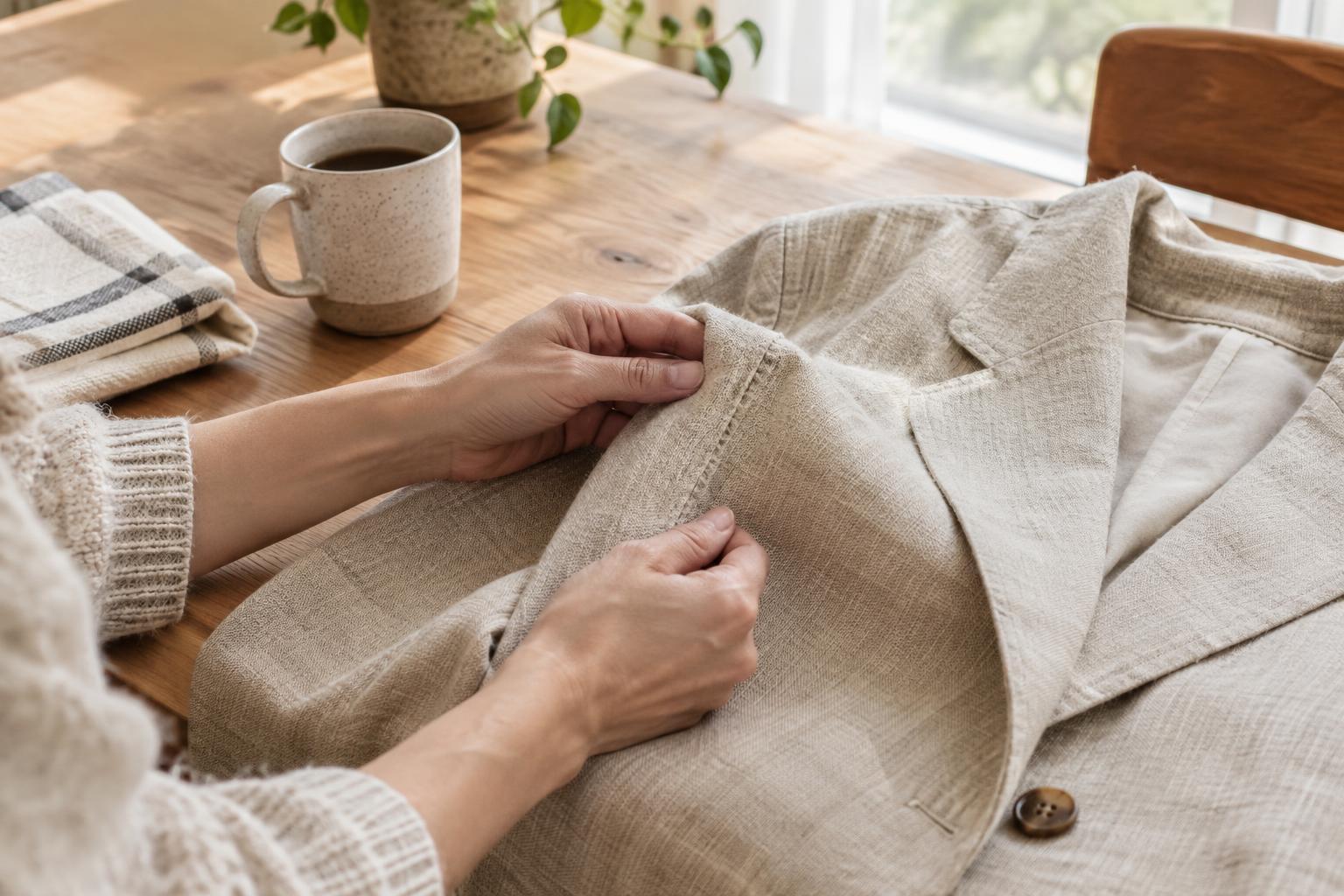
Lightweight linen and cotton are familiar choices for warm days because they can feel airy, especially in looser garments. Linen wrinkles easily, but that relaxed texture can be part of its appeal. Cotton comes in many forms: a thin cotton shirt may feel comfortable, while a heavy cotton T-shirt can hold onto moisture. The weight and weave matter as much as the fiber name.
Some lightweight performance fabrics are designed to move moisture away from the skin and may suit active days. Others can feel less pleasant in still, muggy air. If possible, hold a garment up to the light, feel its thickness and notice how it drapes. A soft fabric that feels good in the shop is more likely to earn a place in your regular rotation than one chosen only because its label sounds suitable for summer.
Give clothes room to move
A little space between clothing and skin can make an outfit feel less restrictive. Look for relaxed shirts, easy dresses, wide-leg trousers or shorts that do not grip when you sit down. This does not mean everything needs to be oversized. A loose top with a more defined bottom, or a fitted tank beneath an open shirt, can still feel balanced and intentional.
Pay attention to the details that cause friction. A waistband that digs in, a neckline that needs constant adjustment or sleeves that catch at the underarm can become more distracting in humid weather. Try sitting, reaching and walking when you assess an outfit. If it only feels comfortable while you stand still, it may not be the best choice for a busy day.
Build an outfit around your plans
For a casual day, try an airy shirt with relaxed shorts and comfortable sandals, or a loose dress with shoes you can walk in for longer than a few minutes. For a setting where you want more coverage, lightweight trousers and a breathable short-sleeved shirt offer an easy starting point. Choose pieces you can wear without repeatedly tucking, pulling or smoothing them.
Footwear deserves particular attention. Shoes that feel fine on a cool day may rub when your feet are warm. Broken-in sandals, breathable trainers or lightweight flats can all work, depending on your plans. If you wear socks, consider a pair that feels comfortable when damp and bring a spare for a long day out. An outfit feels more comfortable when you can forget about your feet.
Use small extras to stay adaptable
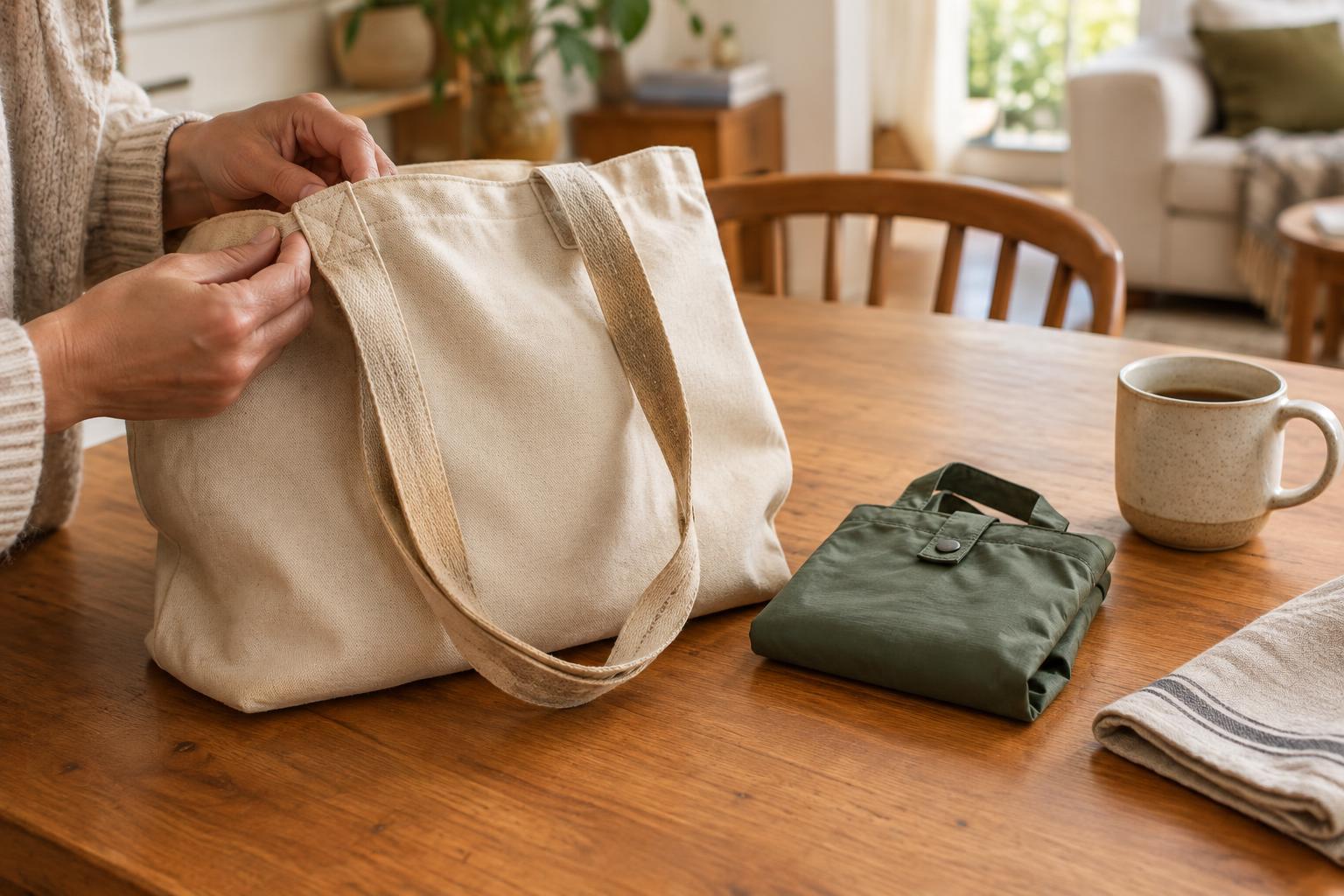
A hat can provide welcome shade, while sunglasses and a small bag help keep the essentials close without filling your pockets. If you are moving between outdoor heat and strong indoor cooling, carry a thin shirt or cardigan that is easy to fold away. A layer you can remove quickly is usually more practical than starting the day in something too warm.
It also helps to keep a few reliable warm-weather combinations in mind. Notice which fabrics, cuts and shoes you reach for on the stickiest days, then use those observations when getting dressed or considering a purchase. Comfort is personal: the best humid-weather wardrobe is not a long list of special items, but a small set of clothes that lets you go about your day with less fuss.