Start with a week of ordinary life
A shopping list can easily become a collection of appealing possibilities: a basket for a tidier home, a jacket for a different sort of weekend, or supplies for a hobby you hope to begin. Those ideas are not necessarily bad purchases. But if you want a list grounded in what you actually use, begin with the life you already have rather than the one you imagine having after you shop.
For a week or two, make a quick note whenever you finish something, look for something you cannot find, or work around an item that no longer serves you. Include small frustrations as well as obvious gaps. Perhaps you use the same tote every day but its handle is wearing thin. Perhaps you keep borrowing a lamp from another room. Observations like these give your list a practical starting point. There is no need to track every moment; a few notes on your phone or a piece of paper are enough.
Check what is already doing the job
Before adding an item to the list, look in the places where you would normally keep it. This simple check can reveal a spare notebook, a forgotten set of storage containers, or clothing that works once it is cleaned or mended. It also helps you see whether the issue is a missing item or an awkward setup. A basket may help if frequently used things need a home; it may not help if the shelf itself is too full to reach.
Pay attention to your favorites while you look. The mug you wash first, the sweater you wear on repeat, and the kitchen tool you instinctively reach for all offer clues about what suits you. Note the useful qualities, such as size, material, ease of care or comfort, rather than assuming you need an identical replacement. What works well can guide a future purchase; it does not have to become a reason to buy something today.
Write down the need, not just the product
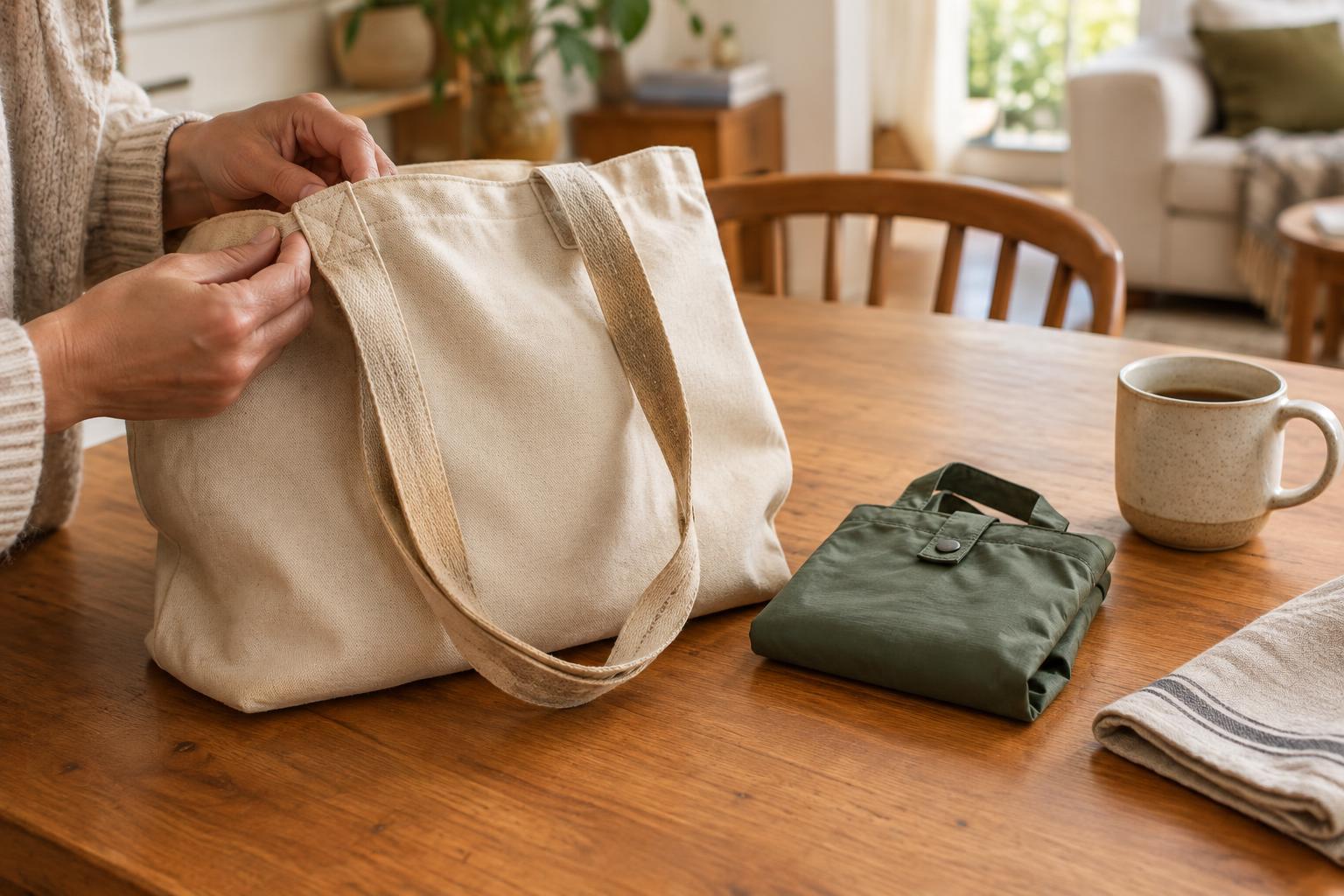
A list entry such as “new bag” is easy to forget or reinterpret while browsing. A more useful entry describes the job: “a bag that holds my daily essentials, closes securely and is comfortable to carry on foot.” You can still decide later that a particular style is right, but the description gives you something to compare it against. It also makes it easier to leave behind an attractive option that would not solve the original problem.
For each item, ask when you would use it, what you currently use instead and what has not worked before. Keep the answers brief. If you cannot picture the item in an ordinary week, place it on a separate “consider later” list. Occasional needs matter too, but separating them from everyday replacements keeps your main list easier to act on.
Give the list a little structure
Divide your list into three simple groups: replace soon, useful when the right option appears, and ideas to revisit. Something that is empty, broken or needed for a regular task belongs in the first group. A better version of an item that still works can wait in the second. The third group holds possibilities you want to remember without treating them as urgent.
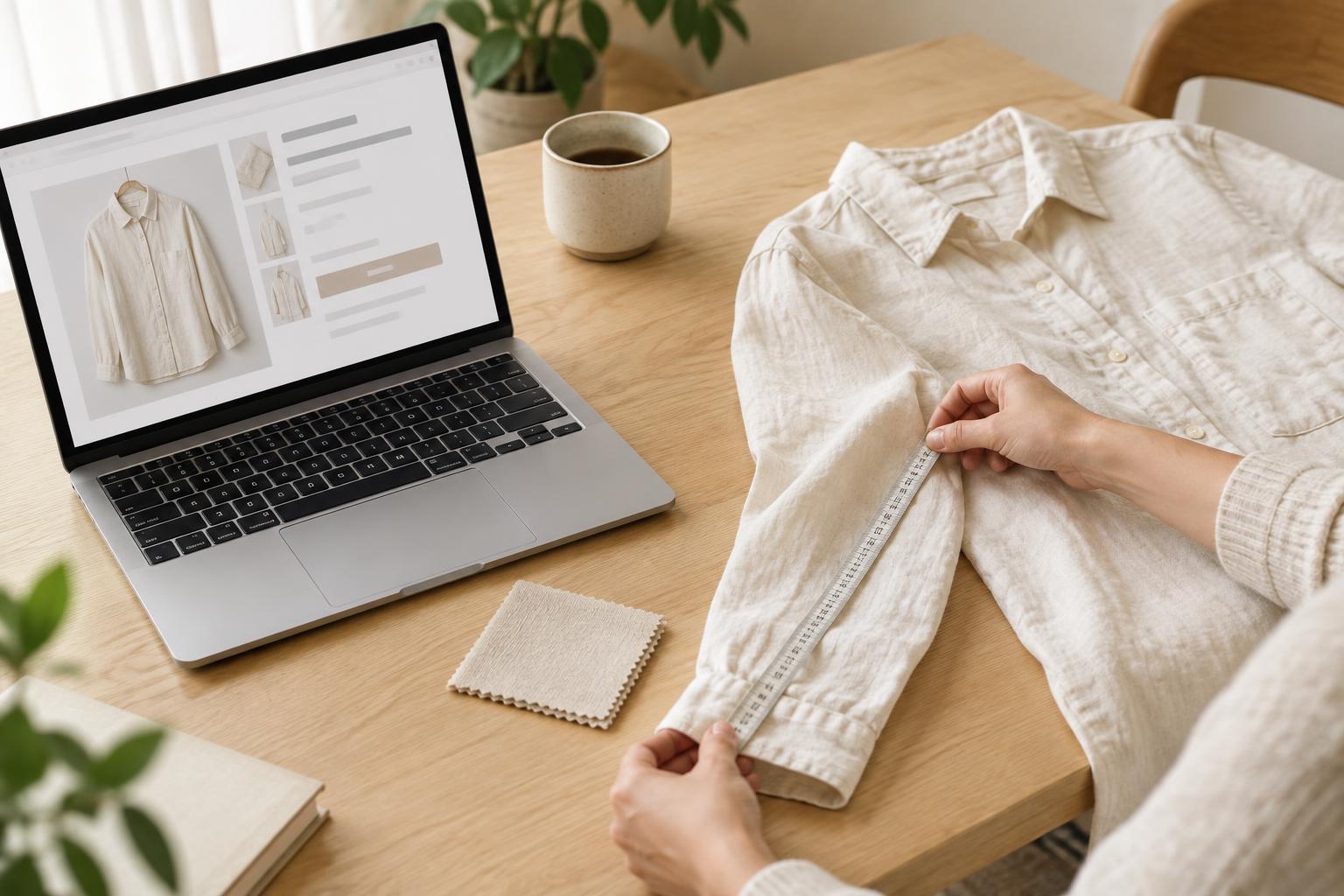
Add practical details where they will prevent a mistake: measurements for a shelf, the size of a container you regularly refill, or the features that make a piece of clothing comfortable for you. If you have a spending limit in mind, note it beside the item before you start browsing. These details turn the list into a decision aid rather than a prompt to buy whatever catches your eye.
Review the list as your routines change
A good shopping list is not a permanent verdict on what you need. Revisit it before a planned shopping trip and remove entries that no longer make sense. You might discover that you found another way to do the task, repaired the item you meant to replace, or stopped using that part of your routine. Crossing something off without buying it is useful information, not a failure to follow through.
When you do buy something, notice whether it gets used as expected. Does it live where you need it? Is it comfortable or easy to maintain? You do not need a formal review system; a moment of reflection helps you make the next list more accurate. Over time, your notes can become a gentle record of what supports your days, leaving more room for purchases you will be glad to bring home.