Start with the conditions you actually face
A short walk on damp pavement calls for something different from an afternoon in steady rain. Before getting dressed, consider where you are going, how long you will be outside and whether you will spend much of the day indoors afterward. The most useful footwear is not necessarily the warmest pair you own; it is the pair that suits the whole journey without leaving your feet damp or overheated.
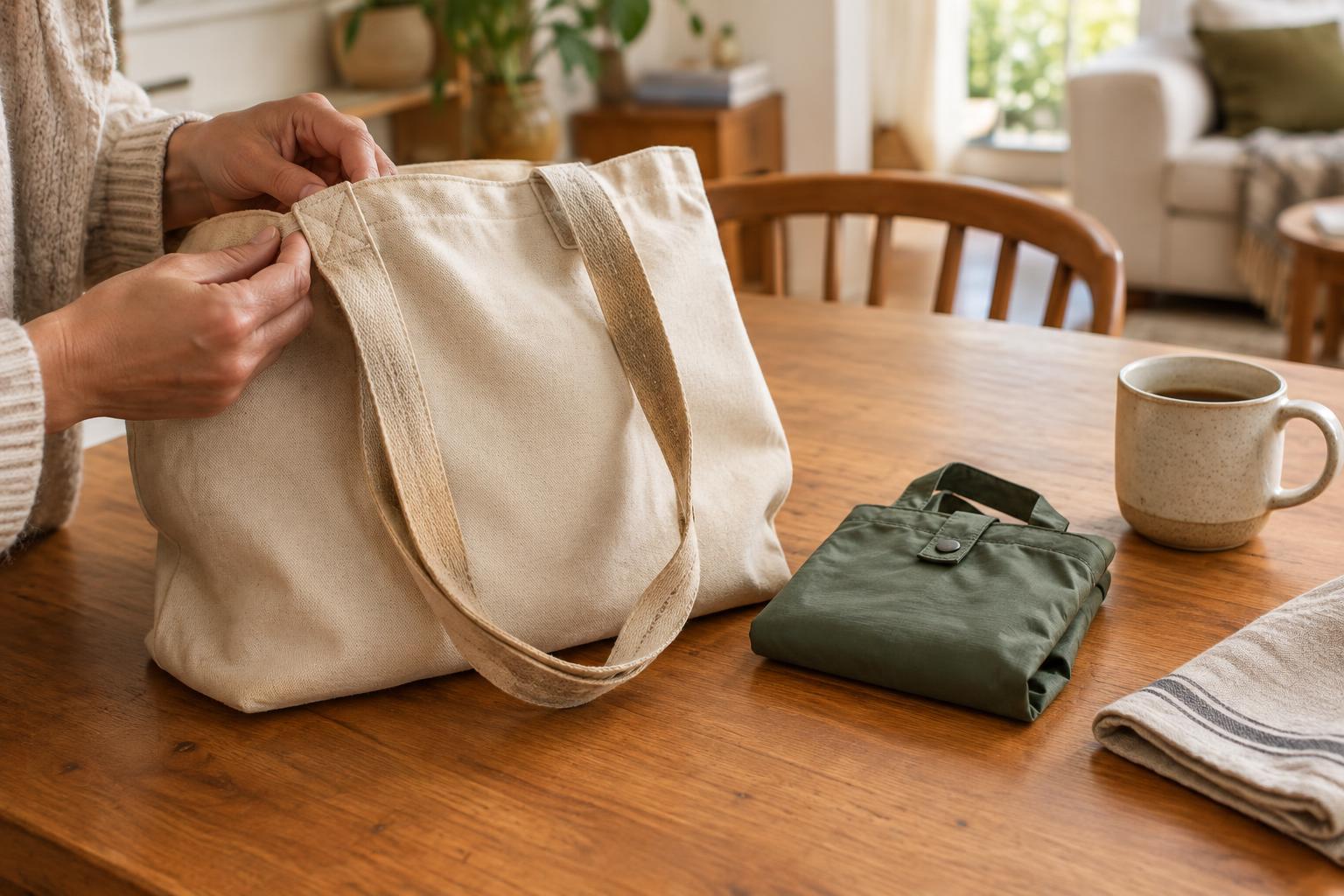
Look at the route as well as the forecast. Puddles, wet grass and slushy paths can reach a shoe from different directions. A low shoe may be comfortable for a quick errand but less useful when water is likely to splash over its edge. If you are commuting or visiting someone, carrying a lighter indoor pair can let you wear sturdier shoes outside without spending the rest of the day in them.
Choose shoes that leave room for warmth
For wet weather, look for an upper and sole that suit the amount of water you expect to encounter. Some shoes are designed to resist rain, while others rely on a water-resistant treatment that may need renewing according to the maker’s instructions. Check seams, closures and the point where the upper meets the sole: water can enter through openings even when the main material holds up well. A sole with a tread you trust on slippery surfaces is also worth considering.
Fit matters as much as the label on the shoe. Try cold-weather footwear with the socks you expect to wear. Your toes should be able to move, and the shoe should feel secure without squeezing. Adding a thick sock to a snug everyday shoe can make the combination less comfortable rather than warmer. If you use removable insoles, make sure there is still enough space above your foot.
Let socks manage moisture
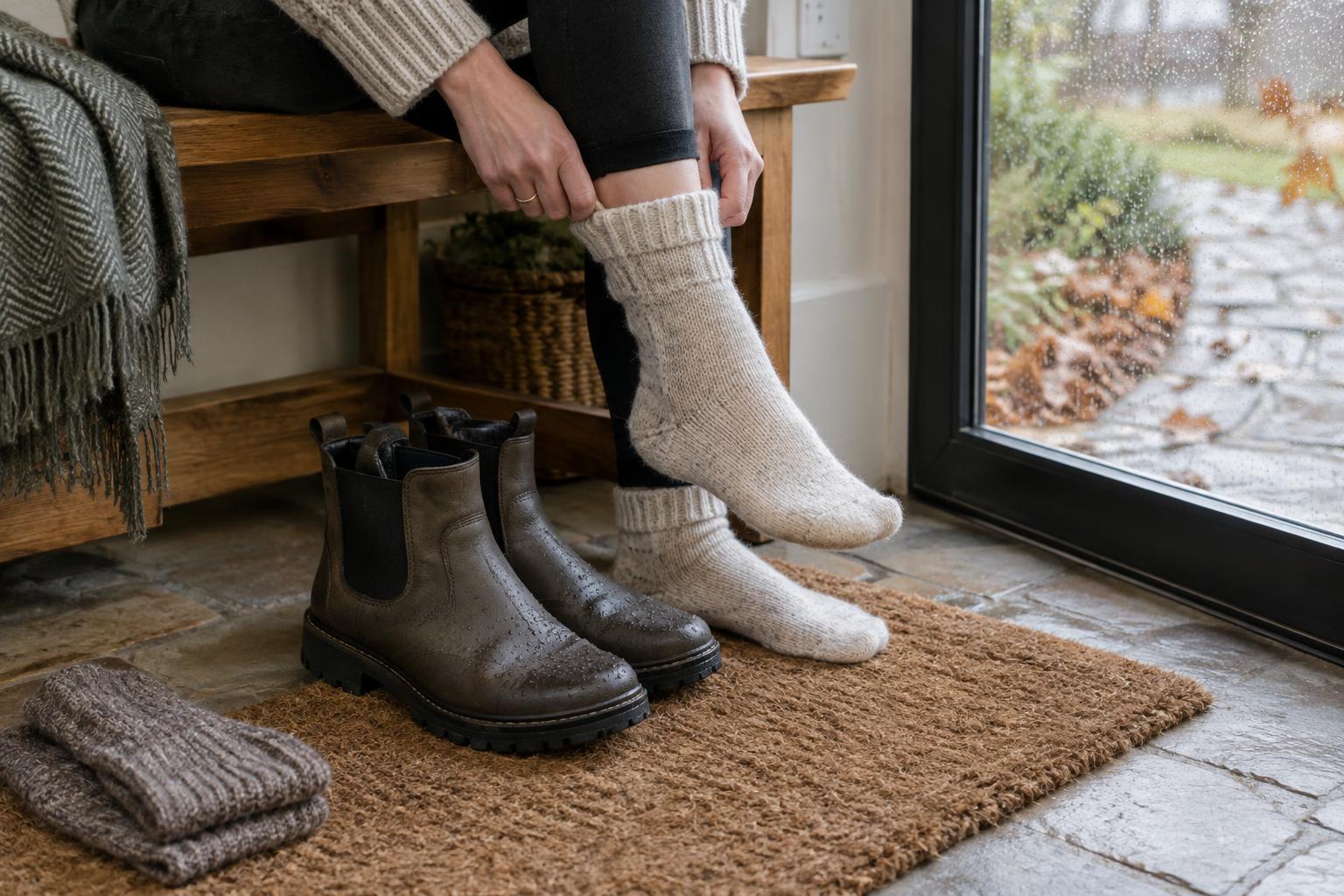
Socks provide a layer between your skin and your shoes, so their thickness and feel can make a noticeable difference. Choose a pair that fits smoothly, stays in place and does not bunch beneath your toes. Wool blends and other fabrics made to move moisture away from the skin can be useful on active days; the best choice is one you can comfortably wear and wash regularly. If a seam or cuff rubs, try a different fit rather than simply adding another layer.
More layers are not always better. Two pairs of socks may help in roomy boots, but they can create pressure or wrinkles in a closer-fitting shoe. For a long day out, a spare pair of dry socks takes little room in a bag. Changing after a wet walk can make an indoor afternoon much more pleasant, even if you cannot change your shoes immediately.
Make the transition indoors easier
Small habits at the door can keep outdoor dampness from following you through the day. Wipe mud from soles, take off wet shoes when practical and let your feet and socks dry before putting on another pair. At home, a designated spot for damp footwear makes the routine simpler and helps protect floors. A mat, tray or washable cloth can work, provided shoes are not left sitting in pooled water.
If your feet feel cold after you come inside, start with dry socks and comfortable indoor footwear rather than piling on layers over damp ones. Give your feet a chance to warm gradually in a comfortable room. When you expect to move between chilly streets and heated interiors, lighter socks with weather-suitable outer shoes may feel better than a very heavy combination that stays on all day.
Care for the pair you rely on
Footwear needs time to dry between wet outings. Remove loose dirt, open the closures and take out removable insoles if the manufacturer’s guidance allows it. Let the shoes dry in a well-ventilated place away from strong direct heat, which can be hard on some materials and adhesives. If you wear the same pair every rainy day, alternating with another suitable pair can give each one more time to dry.
Check your shoes occasionally for worn tread, cracks or gaps that let in water. Follow the care directions for their materials before applying a cleaner or water-resistant treatment, and test unfamiliar products on an inconspicuous area when appropriate. The goal is not a complicated footwear collection. A comfortable fit, a dry pair of socks and a simple drying routine can make cold, wet days easier to dress for.