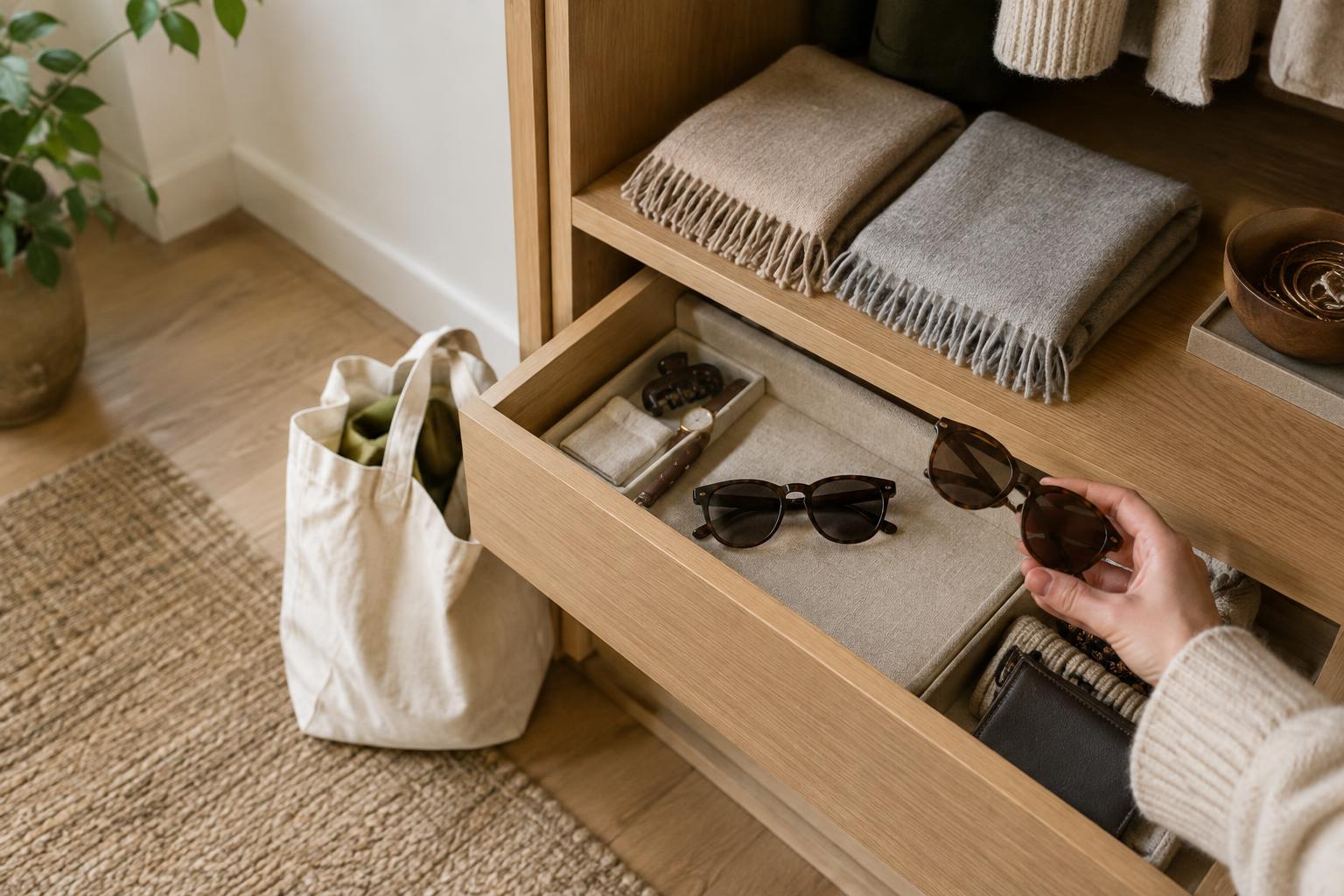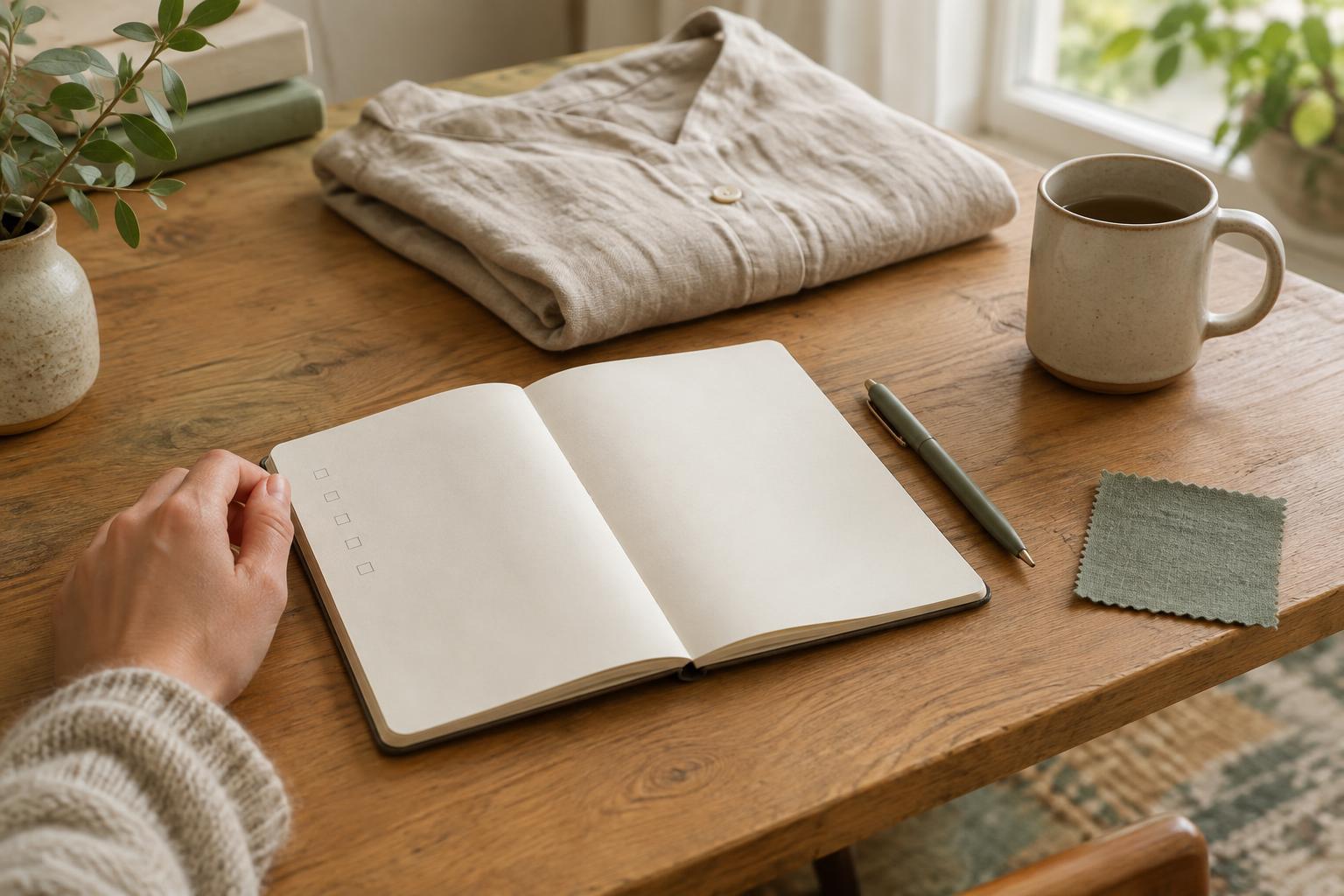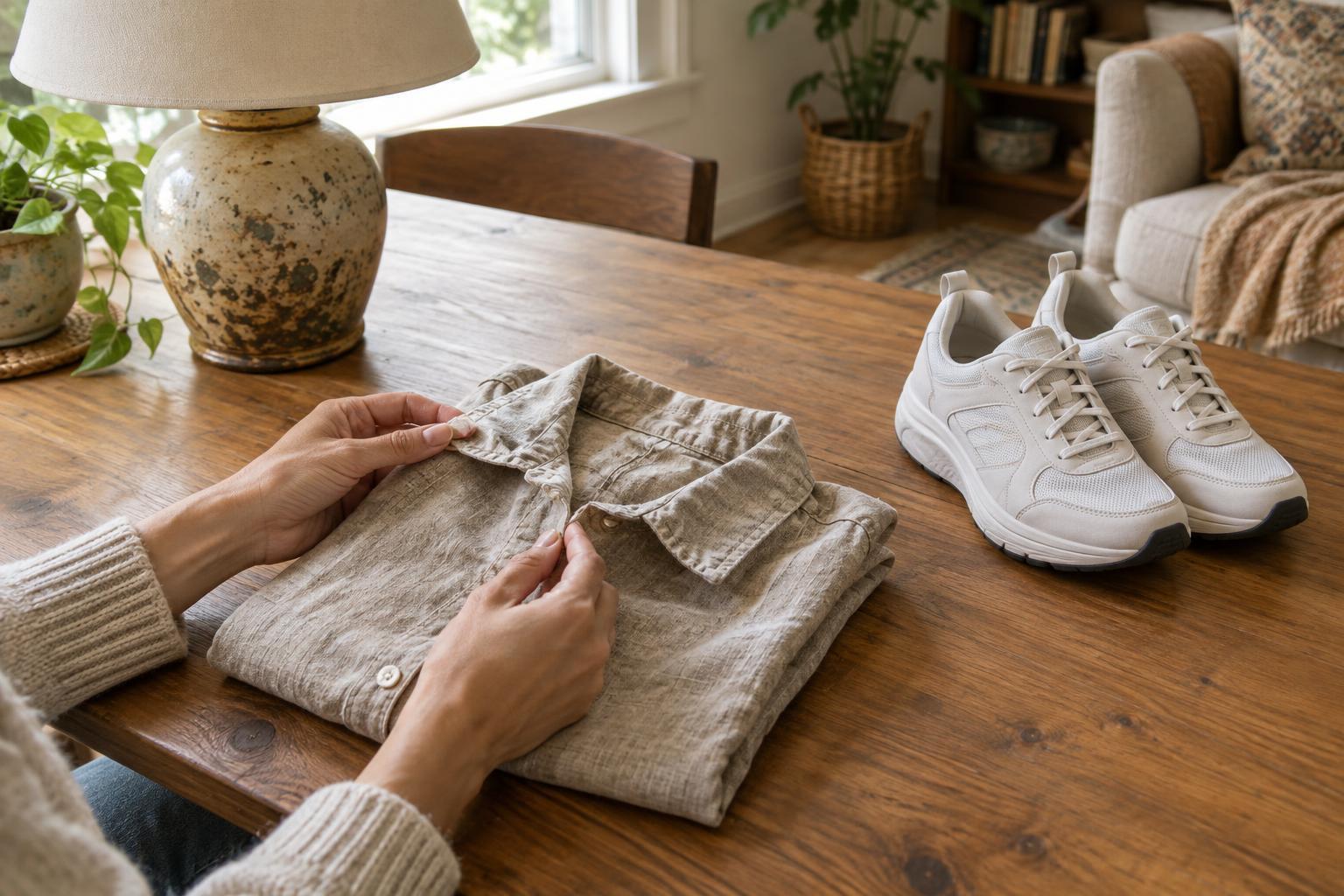
Start with the job the item needs to do
A thoughtful purchase starts before you decide where to shop. Name the problem you want the item to solve, then check whether something you own could do the job. A lamp moved to another room, a repaired bag or a different combination of clothes may be enough. Buying nothing is a useful option, not a failure to find the right deal.
If you do need an item, think about how often you will use it and what matters most when you do. A decorative bowl can have a small chip without disrupting daily life. A pair of shoes you plan to walk in regularly needs to fit and feel comfortable. The more you will depend on something, the more carefully you should assess its condition, whether it is new or secondhand.
Where secondhand often makes sense
Secondhand shopping is especially appealing when an item's condition is easy to judge and its useful life is not tied to a complicated component. Shelves, mirrors, sturdy side tables, baskets and some kitchenware can often be assessed by looking closely and checking for damage. With clothing, you can inspect seams, closures, fabric wear and fit. A well-made piece that suits your wardrobe may be more useful than a new piece bought only because it is inexpensive.
Used items also offer room to experiment with your taste. A picture frame or occasional chair can bring character to a space without requiring every object to match. Before buying, look past the initial appeal: will the item fit through your doorway, work in the intended spot and be manageable to clean? For clothes and accessories, consider whether you can wear the piece with what you already own. A low price does not make an awkward item a good purchase.
Shopping secondhand may take patience. Sizes, colors and conditions vary, and the exact item you imagined might not appear. If the need is flexible, keeping a short list of useful measurements and preferred materials can help you recognize a good match when you find one.
When buying new is the clearer choice
New can be the practical choice when you need a precise fit, a particular feature or a dependable replacement soon. If you have searched for a secondhand item but keep finding near matches that do not work, waiting indefinitely may cost more time and effort than the difference in price. Buying new with a clear purpose can be more considered than buying used items you will not keep.
Condition matters especially for products with safety-critical parts or a limited service life. For example, treat secondhand electrical goods, child-safety equipment and protective gear with extra care. If you cannot verify an item's history, condition or suitability for its intended use, consider buying new or choosing a different option. For personal items where hygiene is a concern, your ability to clean the item thoroughly should be part of the decision.
A new purchase can also make sense when a suitable used version is unlikely to meet your needs. The aim is not to give new things an automatic pass. Check quality, care requirements and whether the item fills a lasting gap before you buy.
Compare the whole cost, not just the price tag
A secondhand find may need cleaning, a replacement part, alterations or transport. A new item may come with packaging, delivery costs or care demands you had not considered. Before deciding, add up the money, time and effort needed to get each option ready to use. A bargain that needs an expensive repair may still be worthwhile if you love it and can arrange the work, but it should be a deliberate choice.
Pay attention to uncertainty, too. Can you examine the item in person? Does the seller describe any flaws clearly? If you are shopping online, look at measurements and images closely and check the return terms before ordering. For either new or used goods, avoid relying on a vague hope that an uncomfortable fit or impractical size will somehow work at home.
Use a decision rule you can live with
Try asking four questions: Do I need it? Can I judge its condition? Will it work in my space or routine? Can I care for it? If the answers are clear and you have time to look, secondhand may be a satisfying first stop. If condition is hard to assess, the requirement is specific or the need is urgent, new may be the better route.
You do not need one rule for every category. You might prefer used furniture, new walking shoes and a mix of both for clothing. The thoughtful choice is the one you can use comfortably, maintain reasonably and feel good about keeping.