Start with a purpose, not a bargain
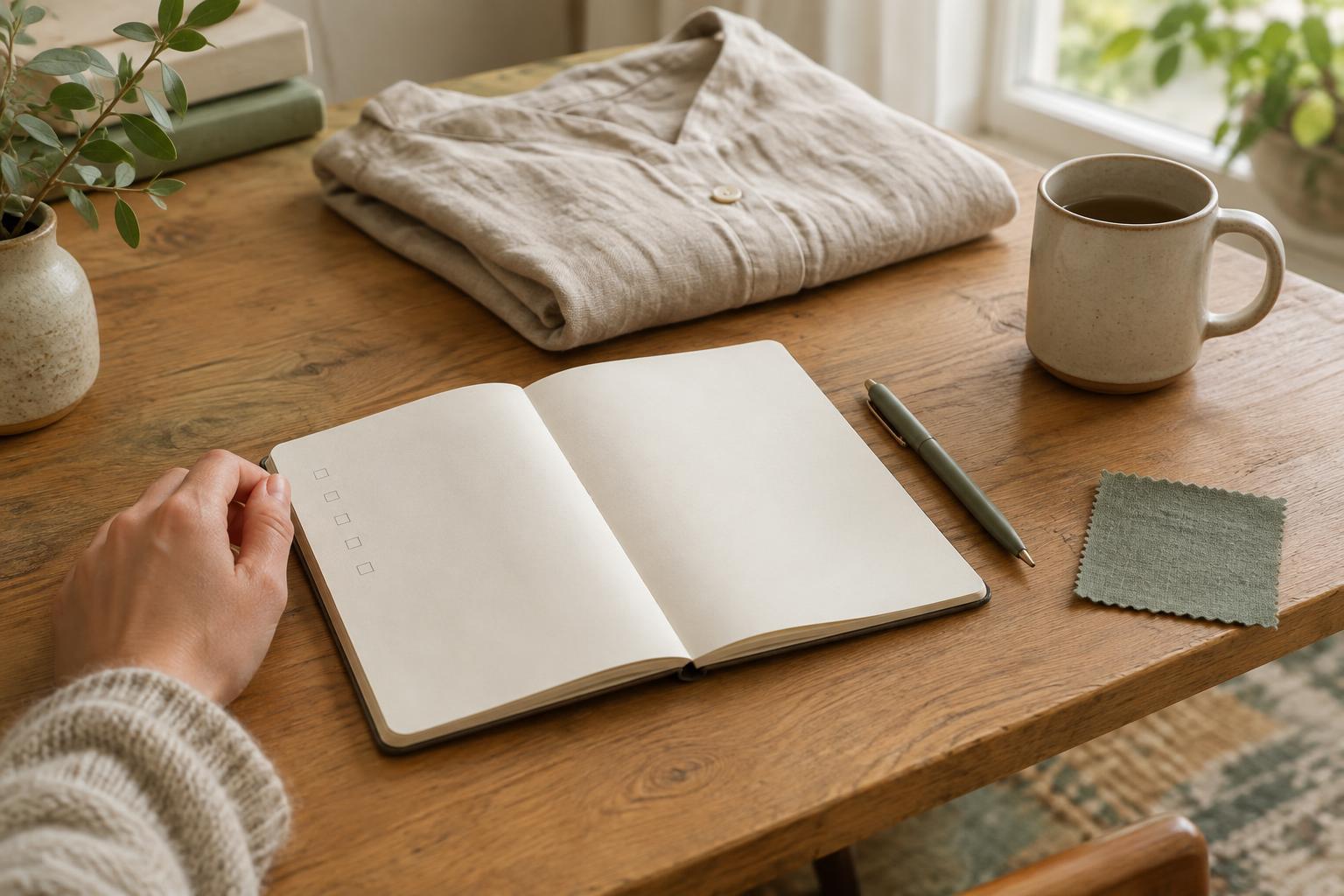
Before examining a secondhand find, picture where and how you would use it. A jacket might need to work with clothes you already wear; a side table might need to fit beside a particular chair. Measurements, a short list of requirements and a spending limit make it easier to judge the item itself rather than the excitement of finding it.
Give yourself enough time and light to inspect it. In a shop, move the item away from a crowded rack or shelf if you can. For an online listing, look for clear photographs of all sides, close-ups of any damage and measurements taken at useful points. If a detail is missing, ask about it before committing. A seller’s description is a starting point, not a substitute for seeing the areas that matter to you.
Look closely at the places that work hardest
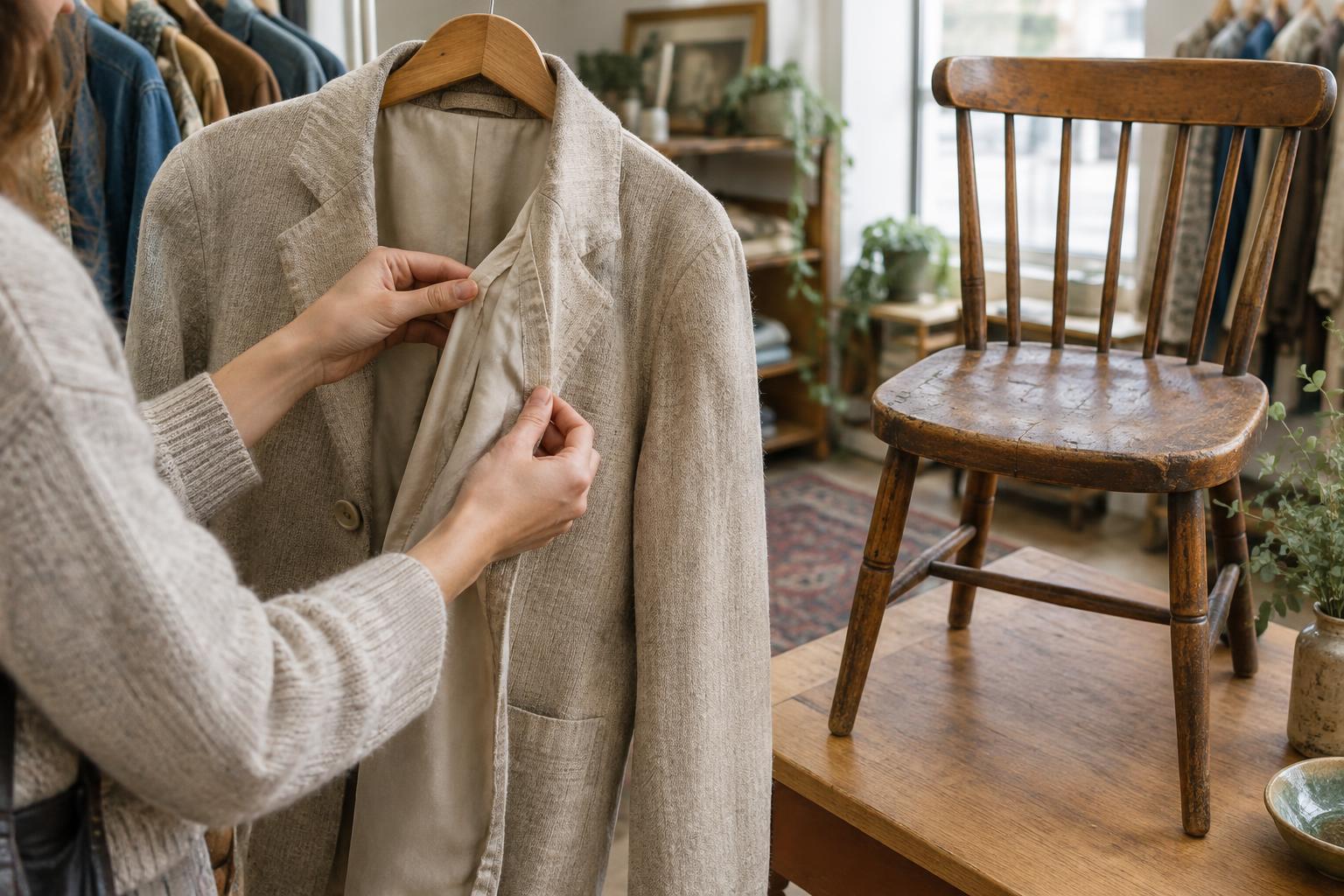
Begin with an overall look, then check the parts most likely to show use. On clothing, examine collars, cuffs, underarms, hems and the seat or knees of trousers. Hold fabric up to the light to spot thinning, and check seams for gaps or pulling. Run zips through their full length; fasten buttons, snaps and hooks rather than assuming they work. Shoes deserve a look at the soles, heels, insides and areas where the upper bends.
For bags and home goods, inspect corners, handles, hinges, drawer runners and the underside. Set a chair on level ground and gently check whether it feels steady. Open and close drawers or doors to see whether they move as expected. Small marks may be easy to live with, but a loose joint, persistent odour or damage in a hard-to-reach place may ask more of you than the price suggests. If an item cannot be inspected closely, treat that uncertainty as part of the decision.
Check fit, scale and function in real life
A label or photograph rarely tells the whole story. If you can try on clothing, move as you normally would: sit, reach and walk a few steps. Check whether a coat closes comfortably over the layers you would wear beneath it. For accessories, consider weight and ease of use as well as appearance. A beautiful bag may be less useful if its strap slips off your shoulder or its opening makes your essentials awkward to reach.
For home finds, measure both the item and the space it must pass through, including doorways and stair turns where relevant. Think about daily function: is a lamp easy to switch on, or a table comfortable to use from your sofa? Take particular care with electrical items. Look for visible damage to cords, plugs and switches, and do not plug in or use something that appears unsafe. If you cannot establish whether it works safely, passing on it may be the simpler choice.
Count the effort after the purchase
The price on the tag is only one part of the decision. Consider what it will take to bring the item into regular use: cleaning, repairs, replacement parts, transport or alterations. A missing button may be a straightforward fix if you have a suitable replacement; a garment that needs extensive reshaping is a different commitment. Be honest about whether you enjoy these projects and have room for one right now.
Pay attention to how an item smells and how readily it can be cleaned. Check care labels on textiles, and look carefully at seams, folds and upholstery before bringing a soft furnishing home. A surface wipe will not address every problem, and some materials need more care than you may want to give them. When shopping online, factor in shipping costs and check the stated return terms so you know what happens if the item arrives in a different condition than expected.
Make the final decision a calm one
Once you have inspected a find, name both its strengths and its drawbacks. Ask yourself whether you would still want it at this price if it were not secondhand or difficult to replace. That question can separate genuine usefulness from the pressure to seize a one-off opportunity. Minor imperfections can add character when they do not interfere with how you plan to use the item; they do not have to become a project simply because the purchase seems inexpensive.
It is fine to leave a promising find behind. A thoughtful secondhand purchase does not need to be flawless, but it should suit your space, your routines and the amount of work you are willing to take on. Inspecting carefully gives you the confidence to say yes when those things align—and the freedom to keep looking when they do not.