Start with the feeling you want
Choosing bedding is easier when you begin with your own preferences rather than a fabric label. Do you like sheets that feel cool and crisp when you get into bed, or would you rather settle into something soft and cozy? Do you tend to change your bedding with the seasons, or do you want one set that feels comfortable most of the year? Your answers give you a better starting point than a promise that any one fabric is best for everyone.
Think about texture, too. A smooth sheet can feel inviting to one person and slippery to another. Linen’s relaxed, slightly textured surface appeals to some sleepers, while others prefer a more uniform finish. If you share a bed, it may help to choose sheets you both enjoy and adjust warmth with separate blankets or a lighter duvet rather than asking the sheets to solve every difference in preference.
Know the difference between fiber and weave
A fiber is what the fabric is made from; a weave or knit describes how it is constructed. Cotton, for example, can become crisp percale, smooth sateen, fuzzy flannel or stretchy jersey. That is why two sets of cotton sheets can feel entirely different. Product descriptions are most useful when they tell you both the fiber content and the construction.
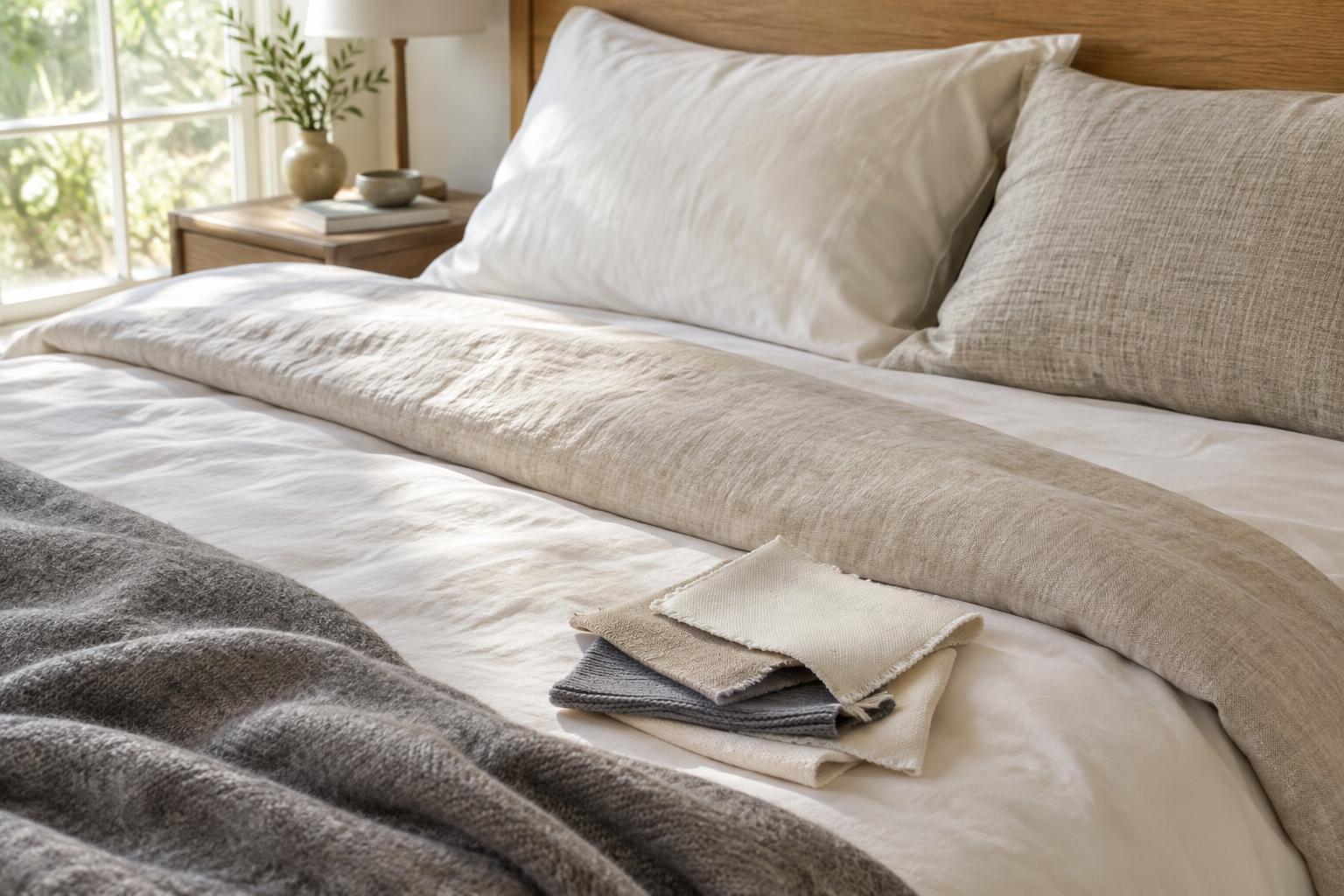
Cotton percale often has a matte finish and a light, crisp feel. Cotton sateen generally feels smoother and more fluid, with a subtle sheen. Neither is automatically better: choose percale if you enjoy the feeling of a freshly made bed, or consider sateen if you prefer a softer drape. Fabric weight and finishing also affect how a set feels, so treat these descriptions as a guide rather than a guarantee.
Match common fabrics to your comfort preferences
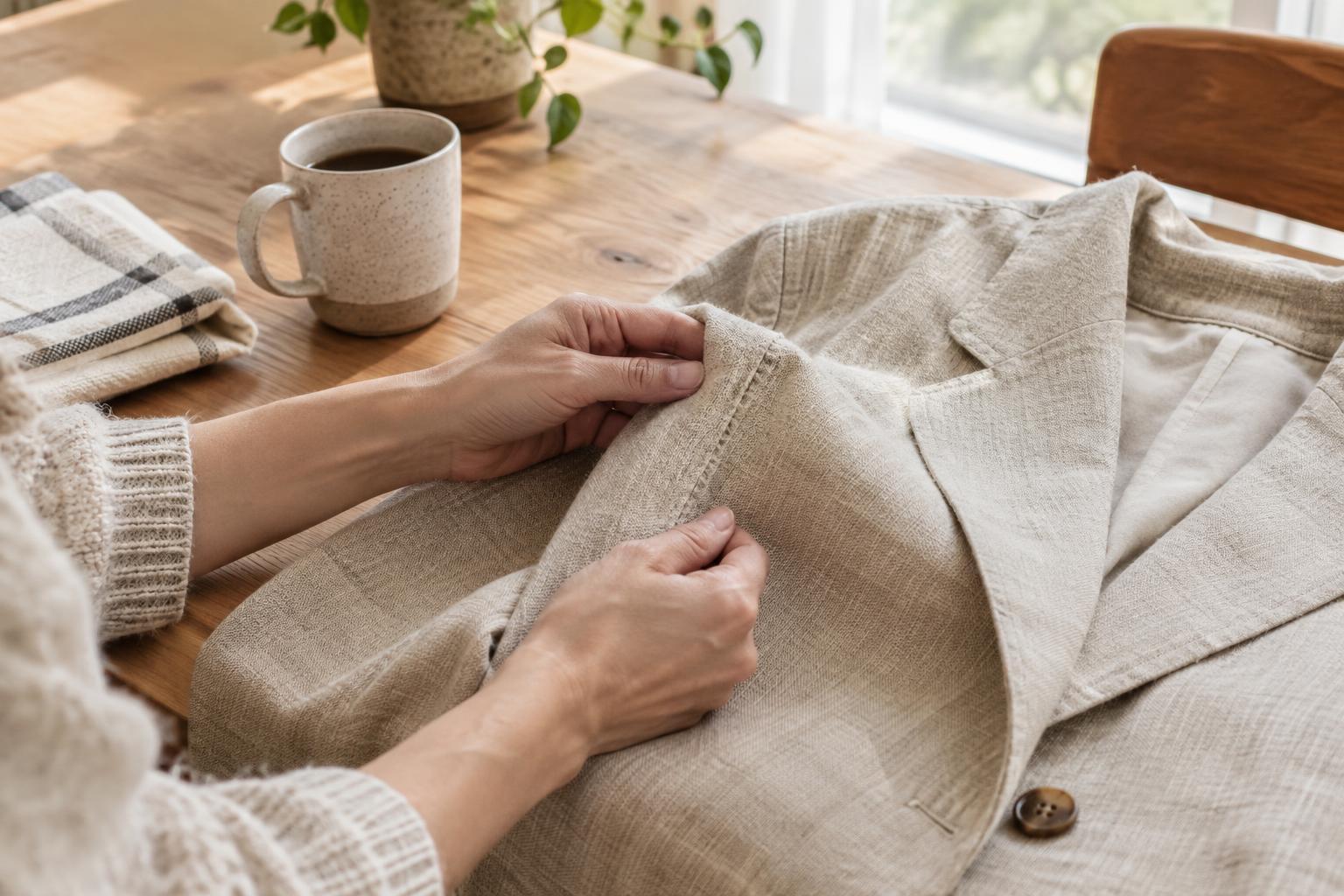
Linen is worth considering if you like an airy, lived-in look and do not mind natural creases. It can feel textured at first and may soften with washing. Flannel offers a different kind of comfort: its brushed surface feels cozy on contact, making it appealing when your room is cool. Jersey, which is knit rather than woven, has a familiar T-shirt-like softness and some stretch. It can be pleasant for someone who finds crisp sheets too structured.
You may also see sheets made from polyester microfiber, lyocell or blends. Microfiber often feels smooth and is usually straightforward to care for, though some sleepers find it less comfortable in a warm room. Lyocell fabrics commonly have a soft, fluid feel; their exact texture depends on how they are made. Blends can balance qualities such as softness, durability and ease of care, but the mix matters. Read the fiber percentages instead of relying on a broad label such as “soft” or “cooling.”
Remember that the whole bed affects comfort. A heavy duvet can make a light sheet feel warmer, while a breathable blanket can make a cozier sheet workable beyond winter. If you are unsure about a new fabric, trying it first as pillowcases can be a lower-commitment way to find out whether you enjoy its feel.
Look beyond thread count and marketing terms
Thread count tells you something about a woven fabric’s construction, but it does not describe fiber quality, finishing or how the sheet will feel after washing. A larger number is not a reliable shortcut to comfort. Likewise, words such as “luxury,” “hotel-style” or “temperature-regulating” do not replace a clear description of the fabric itself.
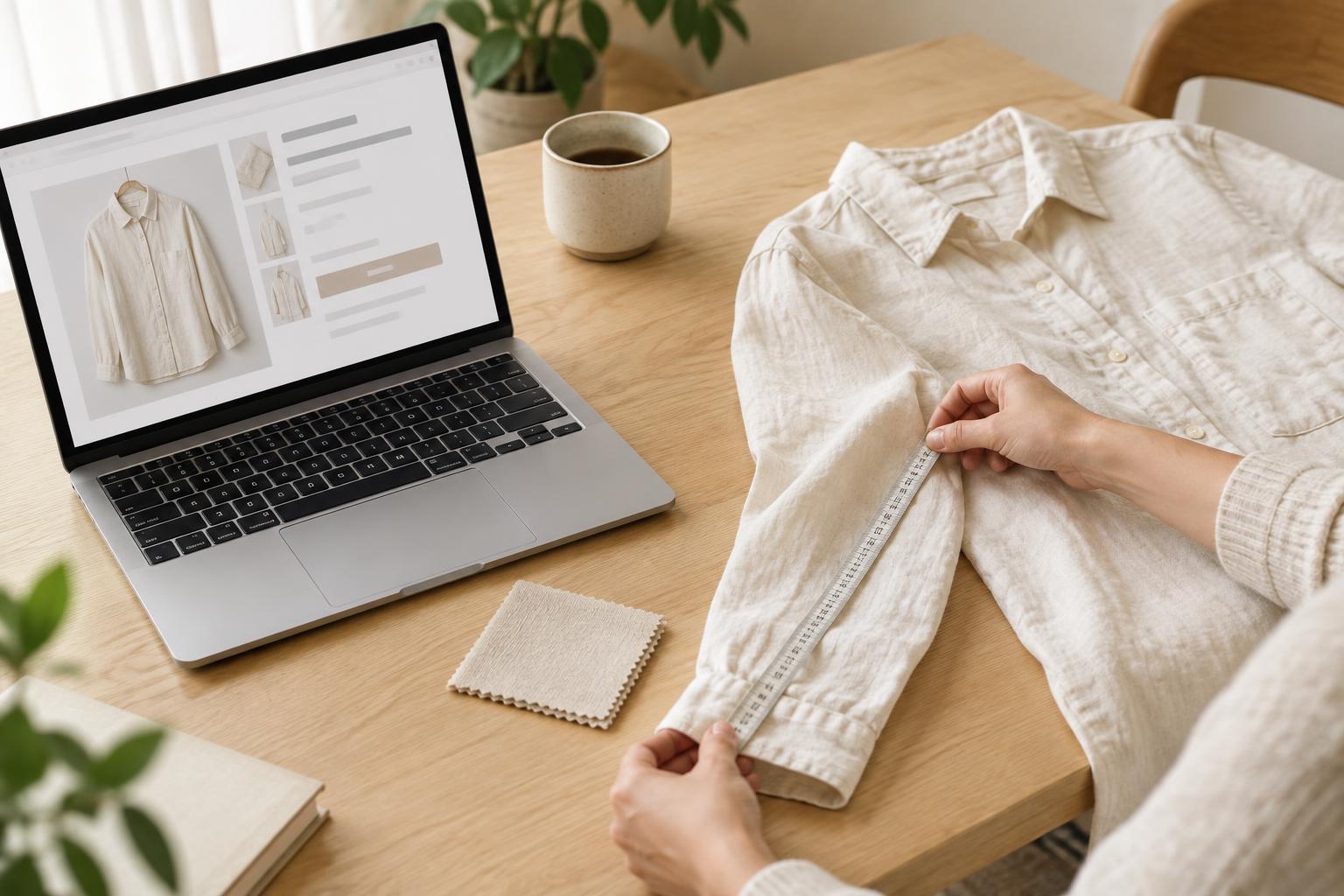
When shopping, check the fiber content, weave or knit, and care instructions. If you can touch the fabric, notice whether it feels pleasing against your skin and whether you like its weight. Consider color and finish in everyday terms as well: a set you enjoy seeing on the bed is more likely to feel like a welcome part of your room. Reviews, when available, may offer clues about softness or wrinkling, but personal preferences will still differ.
Choose bedding you can comfortably live with
A fabric only earns its place in your routine if its upkeep suits you. Linen’s wrinkles are part of its appeal for many people, but they may bother you if you prefer a tidy, pressed look. A delicate-feeling set may be less appealing if you want bedding that can go straight from the wash to the bed. Check the care label before buying, especially if you prefer a particular wash temperature or drying method.
Finally, check the practical details: mattress depth, fitted-sheet dimensions and whether a duvet cover has closures and ties you find easy to use. A beautiful fabric will not feel comfortable if the fitted sheet keeps slipping off or the cover is awkward to change. Start with the feel you like, confirm the construction and care requirements, and choose the set that fits your actual bedtime habits—not an idealized version of them.