Shopping for the discount instead of the item
A reduced price can make an ordinary item feel like an opportunity. The tempting question becomes “How much am I saving?” rather than “Would I want this at all?” If the answer to the second question is no, the discount has not made the purchase useful. It has simply lowered the price of something you had not planned to bring home.
Before browsing a sale, make a short list of things you already need or have been considering. It can be specific, such as comfortable black trousers that work with your existing shoes, or broad, such as a reading lamp for a dim corner. A list leaves room for a good find without letting every marked-down item become a new project.
Letting urgency make the decision
Limited sizes, countdowns and busy sale displays can make waiting feel risky. That pressure is especially effective when you are tired or shopping for a future version of yourself: a new hobby, a different routine or an imagined occasion. The item may be lovely, but it still needs a place in the life you have now.
Try a brief pause before checkout. Ask where you would use the item, what you would use it with and whether you have wanted something like it outside the sale. For online shopping, leaving it in the cart while you do something else can help you separate genuine interest from the rush of finding a deal. Missing one discounted item is usually less troublesome than storing or returning an impulse purchase.
Ignoring fit, comfort and upkeep
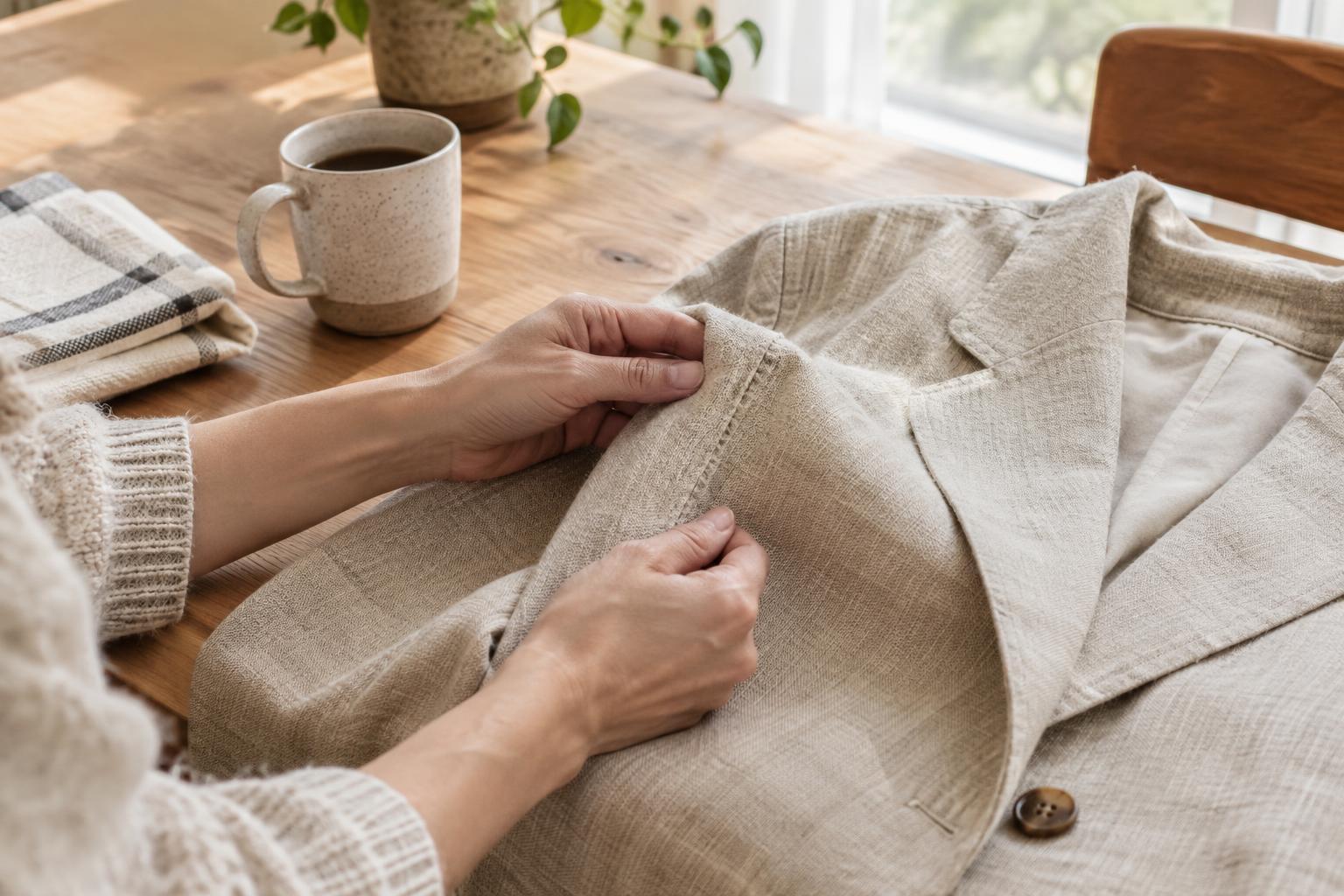
A low price does not fix a waistband that pinches, a bag that is awkward to carry or a home accessory that needs more space than you have. Small compromises can seem reasonable in a fitting room or product photo. Once the item enters an ordinary week, those same compromises often decide whether it gets used.
Check the details that matter to you before the price settles the question. For clothing, consider movement, fabric feel and how the piece works with garments you already wear. For home items, think about where they will live and how you will clean or maintain them. If a purchase needs alterations, special care or extra supplies, include those steps in your decision rather than treating them as problems for later.
Overlooking the full cost of getting it home
The sale price is not always the final cost. Delivery charges, return postage, assembly, alterations or the accessories needed to make an item usable can change the picture. Buying extra things to meet a free-shipping threshold can do the same. Spending more to avoid a delivery fee may feel efficient in the moment, but it is still spending more.
Look at the checkout total and the return terms before committing. If you are buying several things, consider each one separately: would you keep it if it were the only item in your cart? This is particularly helpful when a bundle or multi-buy offer includes pieces you would not have chosen on their own. A simpler order may serve you better, even if its discount looks less impressive.
Mistaking a plausible use for a real need
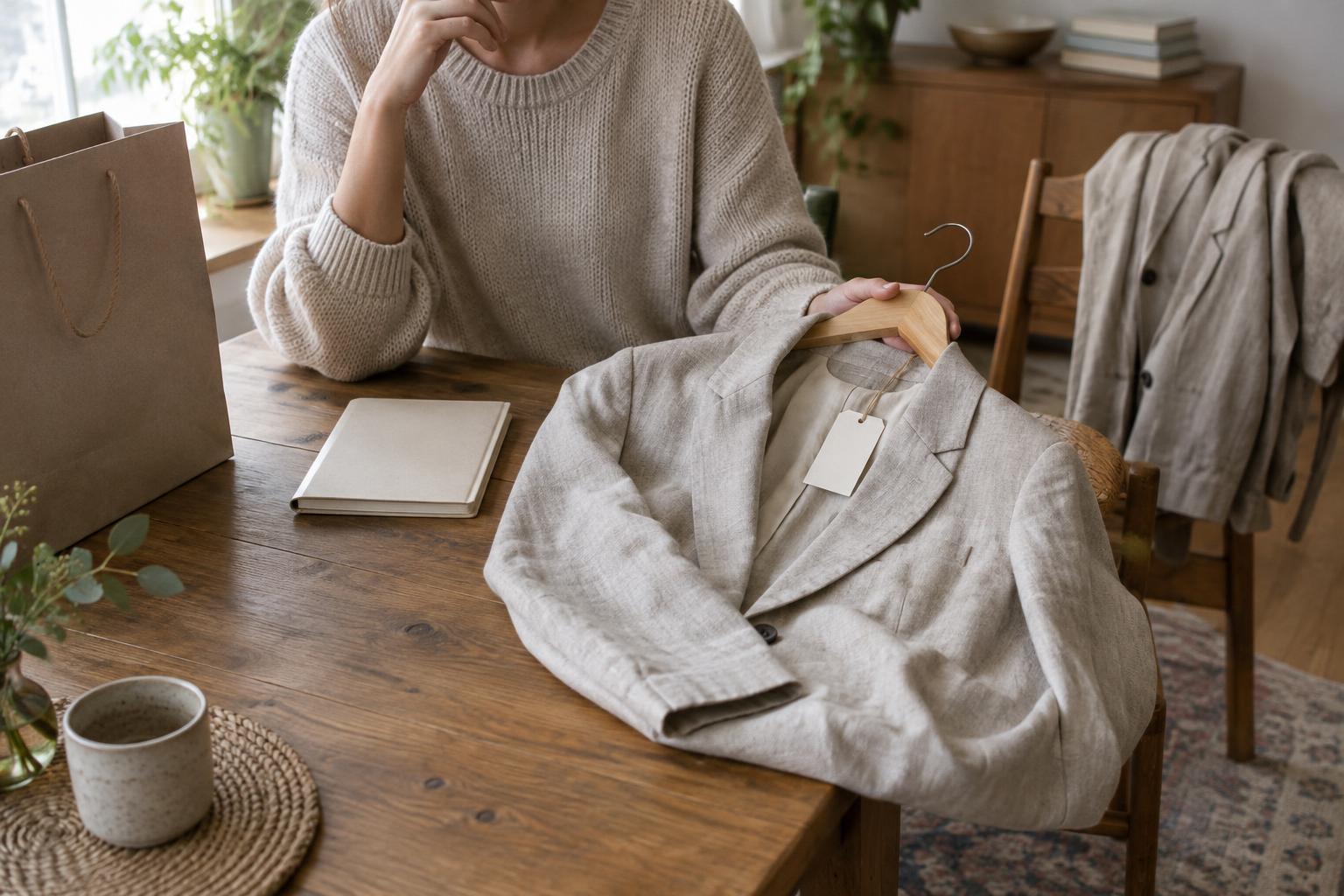
It is easy to invent a reason for a bargain after finding it. A spare throw might be useful for guests; another notebook might support a creative routine; a statement jacket might suit an event someday. Possibility is not the same as a plan. When shelves, wardrobes or budgets already feel crowded, “I could use this” may be too easy a test.
Try asking what the new item will replace, complete or make noticeably easier. If you cannot name a role for it, give yourself permission to leave it behind. Thoughtful shopping does not require avoiding sales altogether. It means letting a discount support a choice you are happy with, rather than asking the discount to justify the choice.