Two prices answer different questions
The upfront price answers an immediate question: what will this purchase cost today? It matters because even a useful item needs to fit the money you have available. A lower-priced option can be the sensible choice when you need something now, are trying a new habit, or are unsure how much you will use it.
Price per use asks a different question: if you keep using the item, how much does each use effectively cost? You can estimate it by dividing the purchase price by the number of uses you reasonably expect. A £60 cardigan worn 60 times works out to about £1 per wear; a £20 cardigan worn five times works out to £4 per wear. The estimate cannot predict the future, but it can reveal when a tempting low price may not offer much value to you.
Start with what you can comfortably spend
Price per use is not a reason to stretch beyond a comfortable spending limit. An item may look economical over several years and still be too expensive to buy today. Begin by deciding what you can spend without disrupting more important needs. Then compare options within that range.
Upfront price is especially useful for purchases you expect to use only briefly. If you need a serving dish for an occasional gathering or want to experiment with a craft, a modest option may be enough. Consider borrowing, using what you already own, or buying secondhand where suitable. These choices can keep an uncertain purchase small while you learn what you actually prefer.
Estimate uses from your real routine
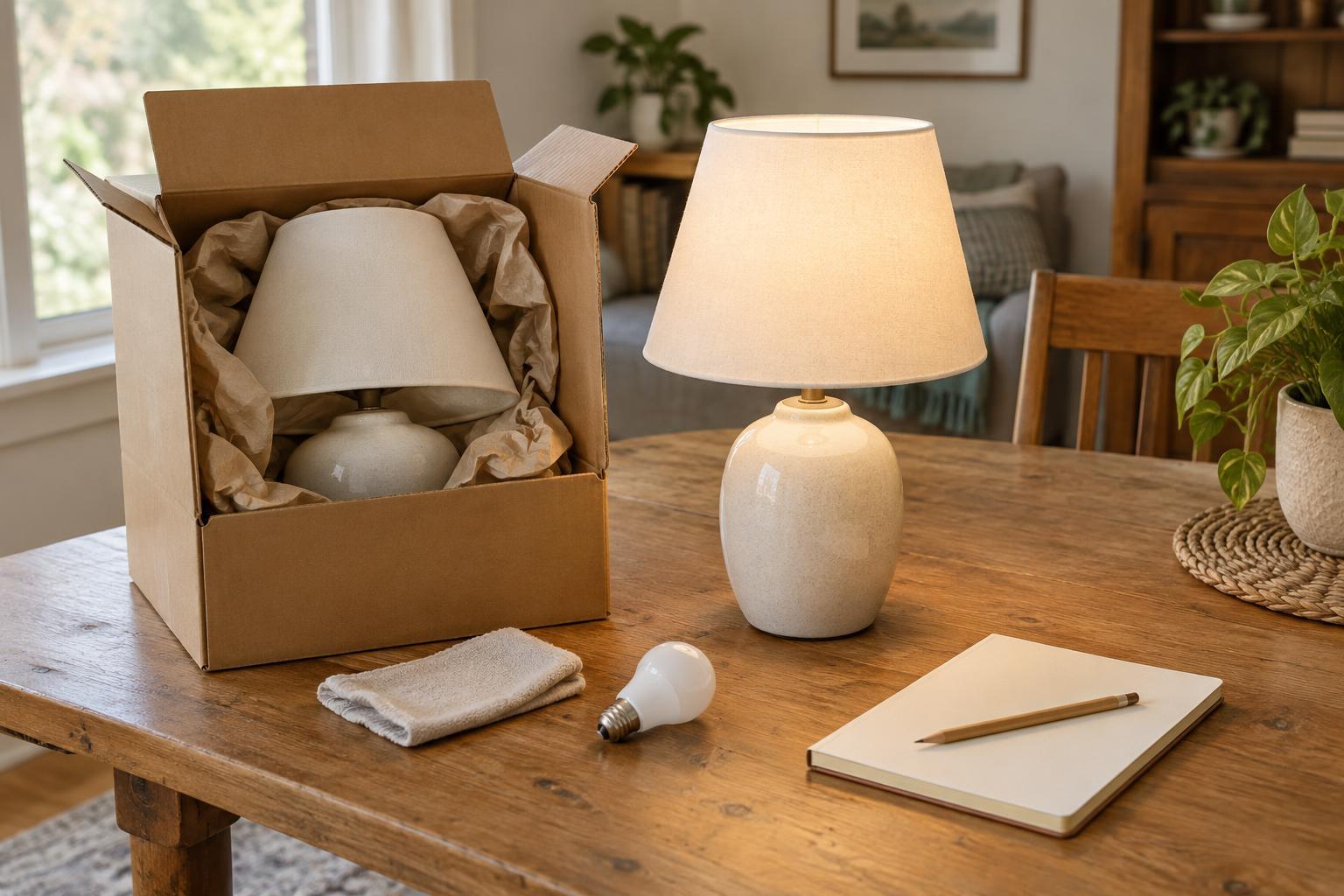
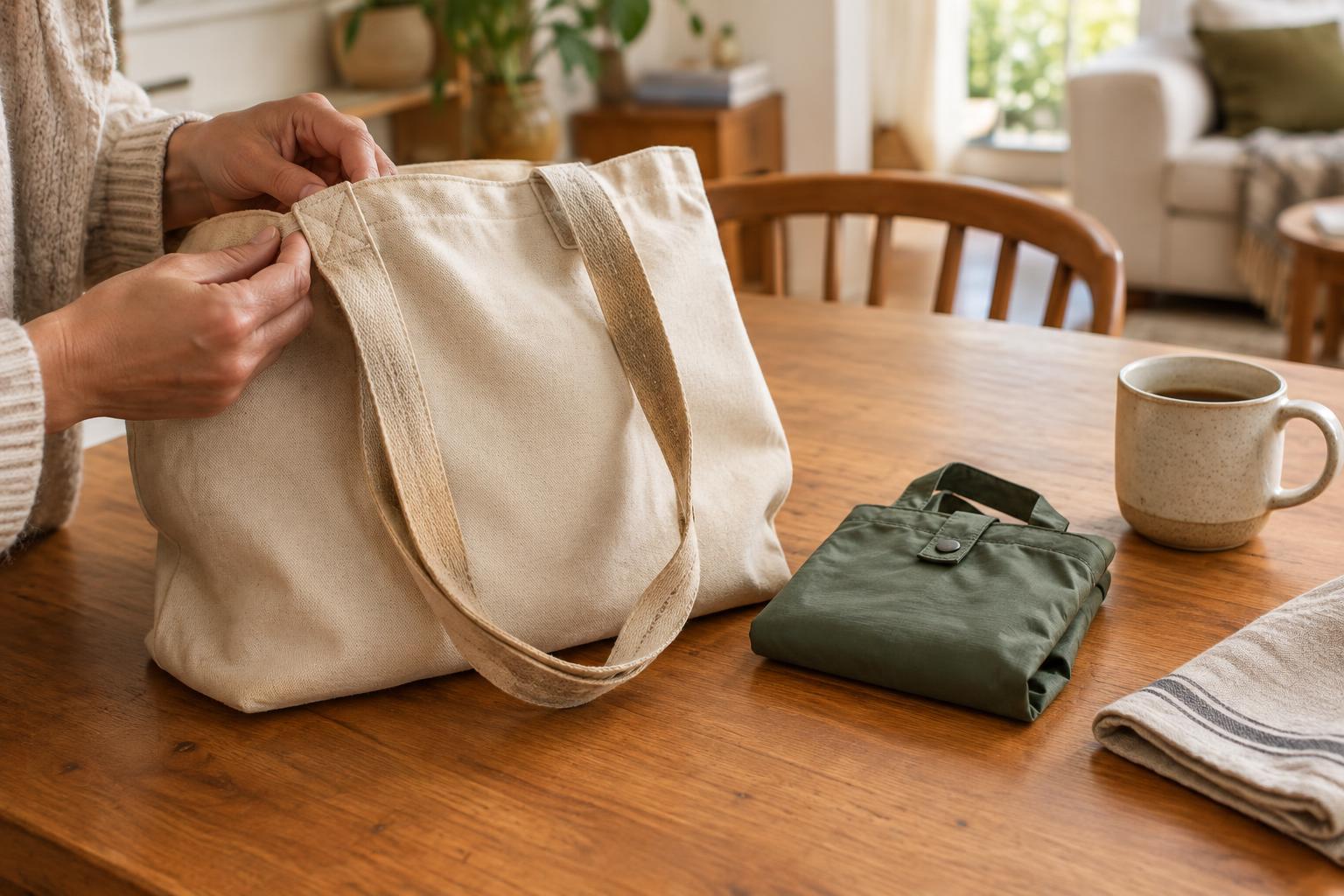
Price per use becomes more helpful when the item has a clear place in your life. Think of shoes that suit your regular walks, a bag that holds what you carry most days, or a lamp for a corner you use every evening. In these cases, repeated use may make comfort, durability, and ease of care worth paying attention to.
Keep your estimate grounded in habits rather than hopes. Before buying a jacket, picture the weather and outfits you already have. Before choosing a kitchen tool, ask when you last made the food it is designed for. If you can name several ordinary occasions for using an item without inventing a new version of your life, your estimate is more likely to be useful.
Count the effort around the purchase
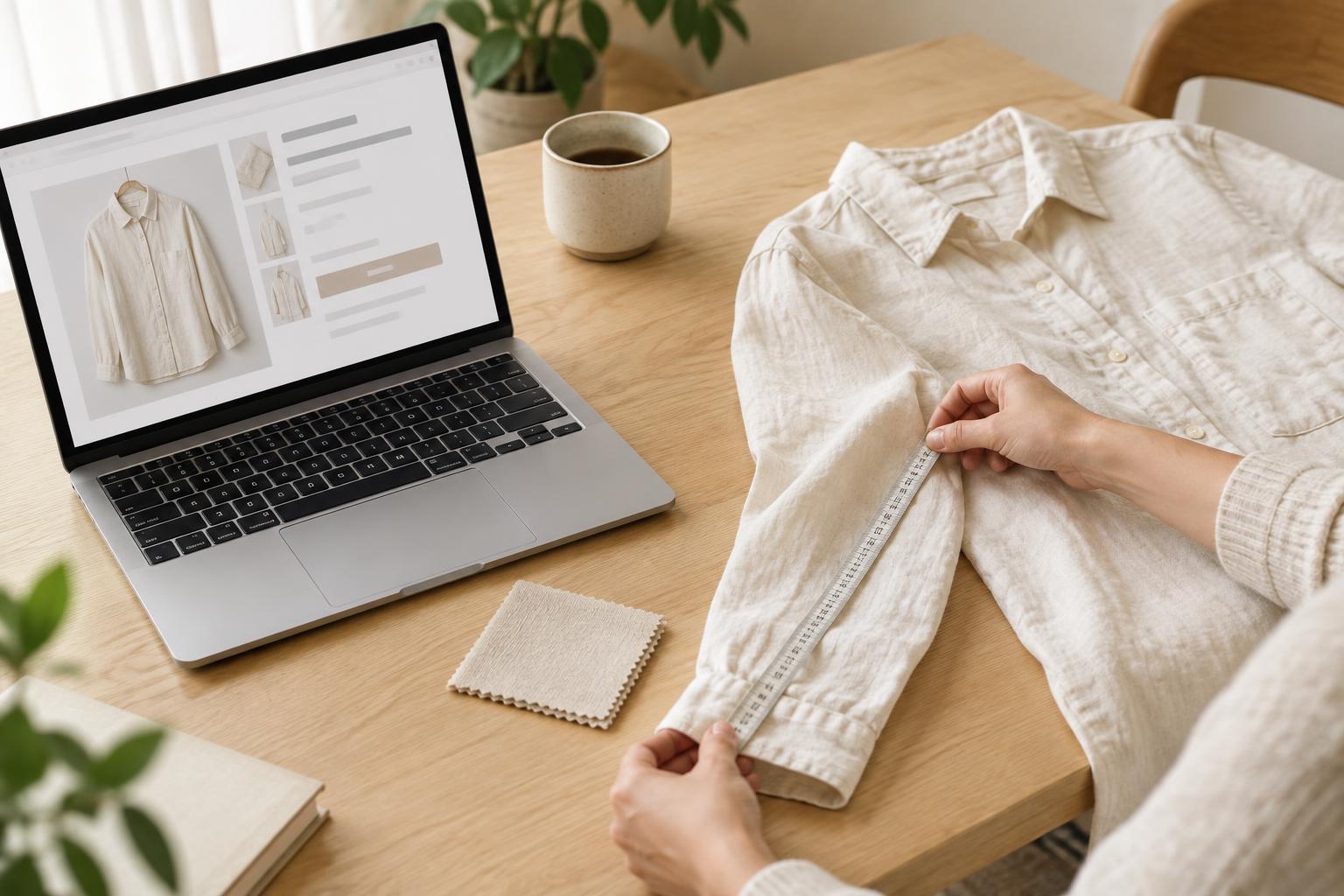
Neither number tells the whole story. Some lower-priced items need replacing sooner, while some higher-priced items require special cleaning, storage, or accessories. A delicate everyday top may cost less per wear on paper but spend more time waiting to be washed. A sturdy item that is awkward to carry may stay in the cupboard.
Ask what it takes to keep the item usable. Can you clean it in a way that fits your routine? Is there room to store it? Does it work with things you already own, or will it prompt another purchase? These questions are not about finding a perfect product. They help you notice practical costs that a price tag or quick calculation leaves out.
Use both lenses, then make a human decision
For a considered purchase, try a short comparison: note the upfront price, estimate how often you would use the item, and identify any likely care or replacement needs. If two options meet the same need, this can show whether paying more might make sense for your routine. If your expected uses are uncertain, give more weight to the upfront cost or wait until the need becomes clearer.
You do not have to calculate every candle, notebook, or pair of socks. Enjoyment, appearance, and convenience are valid parts of everyday life, even when they are hard to put into a formula. Price per use is a prompt to think beyond the sale tag; upfront price keeps that thinking connected to what is manageable now. Used together, they can help you choose an item you can both afford and genuinely use.