Moving things around instead of giving them a home
Tidying can become a circuit: papers move from the table to a chair, a bag goes from the chair to the hallway, and small objects end up in a drawer. The room looks better briefly, but the same items return because there is no easy place to put them. Before clearing a pile, ask what its contents are doing in the room and where you would naturally reach for them again.
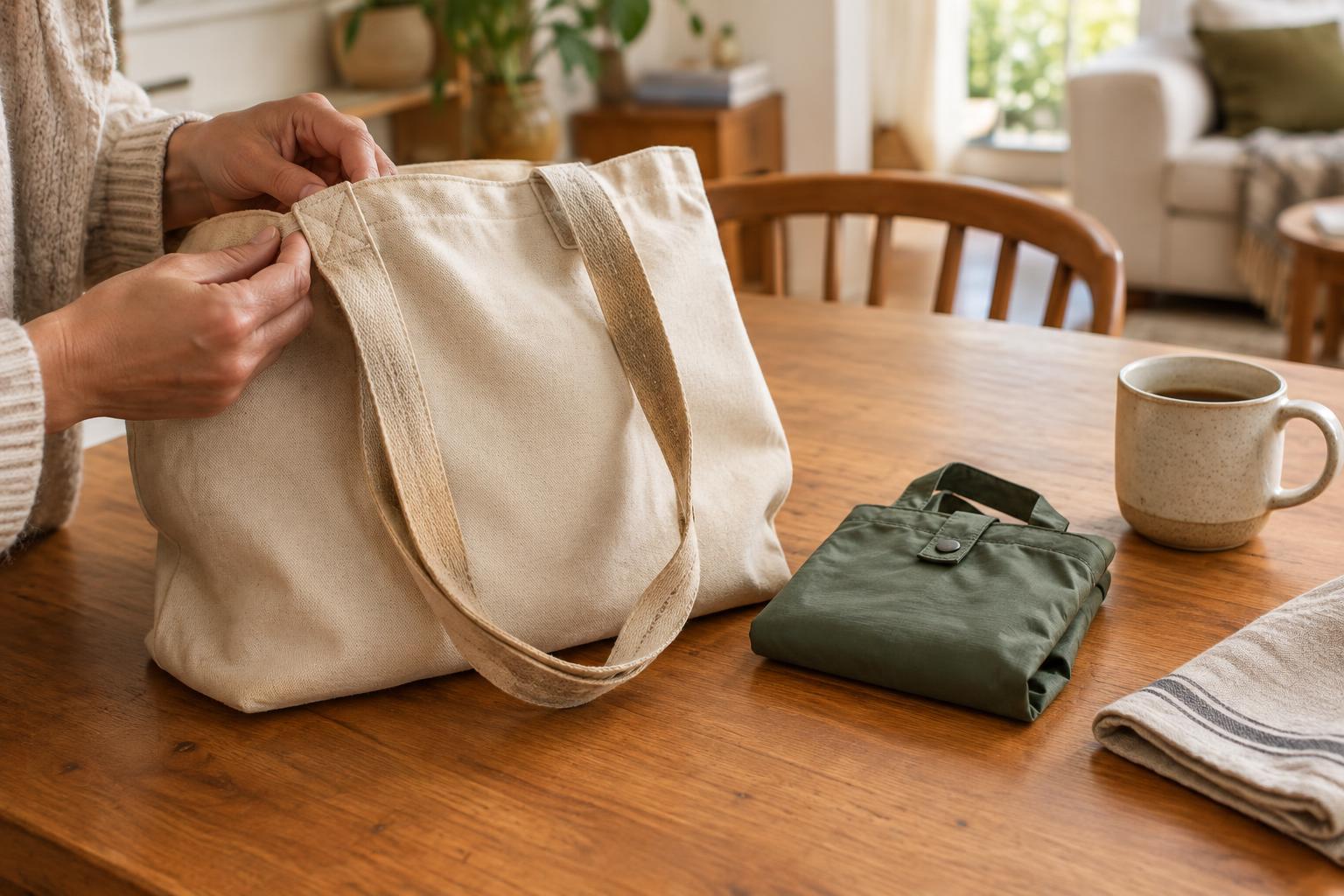
Give frequently used items a home near the point of use. A tray by the door might hold keys; a basket beside a favorite chair could hold a current book and reading glasses. For things that belong elsewhere, carry them there rather than making a new holding pile. If an item has no obvious home, that is a useful decision to make—not a failure of tidying.
Letting every surface become a landing spot
A table covered with neatly arranged items can still make a room feel busy. Clear surfaces give your eye a place to rest and leave space for the room’s ordinary activities. You do not need to remove everything: a lamp, a plant or a few objects you enjoy can make a surface feel welcoming. The difference is whether there is still room to set down a cup or open a book.
Try choosing one purpose for each surface. If the coffee table is for drinks and conversation, keep most incoming mail somewhere else. If a shelf is for display, leave some space between groups of objects rather than filling every gap. Notice which surfaces collect belongings repeatedly; that pattern may point to a missing hook, bin or drawer nearby.
Buying more storage before sorting what you own
Boxes and baskets can be helpful, but they can also make it easier to keep things you no longer use. A row of full containers still takes up visual and physical space, especially when it spreads across the floor or tops of cabinets. Sort a small category first, such as extra throws or charging cables, and decide what you want to keep accessible before choosing a container.
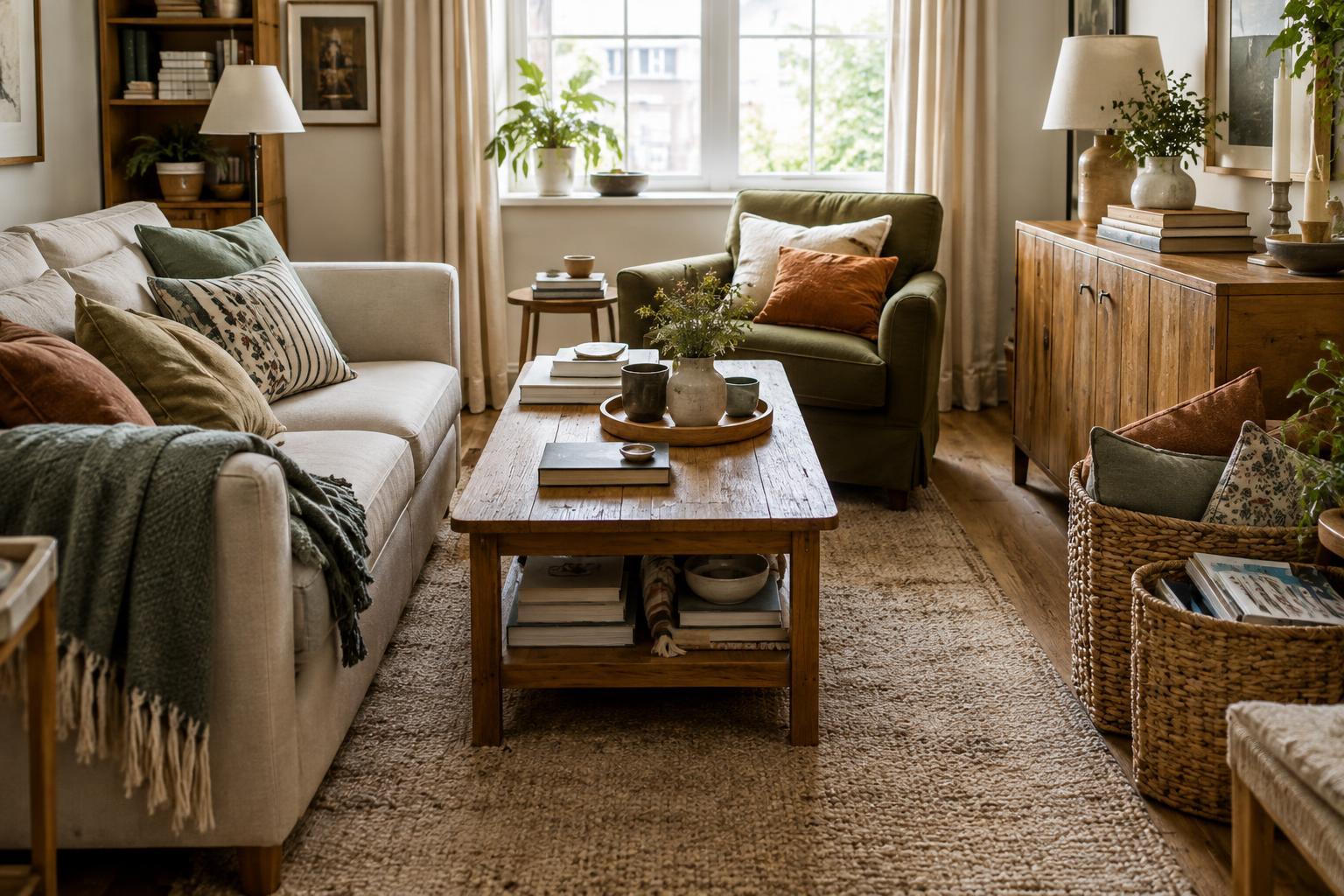
Match storage to the way you use the contents. Open storage works well for items you reach for often and can put back easily. Drawers or closed cabinets can be useful for mixed supplies whose shapes and packaging create a busy look. Leave enough room to take things out without disturbing everything around them; storage that is packed too tightly is harder to maintain.
Overlooking the space between furniture
A room can feel crowded even when nothing is out of place. Furniture may interrupt a natural walking route, block part of a window or leave too little room around a frequently used cabinet. Tidying the objects on top will not change how the room feels when you move through it.
Stand in the doorway and look at the paths you take most often. Would shifting a side table make it easier to pass? Could a basket move off the floor? Is a piece of furniture serving a purpose that matters to you, or is it there mostly because it has always been there? You may not need to remove anything, but giving useful pieces more breathing room can make their placement feel more intentional.
Trying to make a lived-in room look permanently empty
The aim is not to erase all signs of daily life. A blanket in use, a work in progress or shoes waiting by the door may belong in a comfortable home. The problem comes when every object competes for attention and there is no simple way to reset the room when an activity ends.
Choose a few details you enjoy seeing, then make it easy to put everyday items away. That might mean a basket for the blanket, a folder for an unfinished project or a spot for shoes near the entrance. Spend a few minutes resetting one area at the end of the day and adjust any system you consistently avoid. A room feels calmer when it supports your habits, not when you have to work around it.