Start with the moments you will wear it
Before choosing a shape or color, picture an ordinary day. Will you wear your hat for a short walk, a commute, time outdoors or errands that take you in and out of buildings? A hat that looks appealing on a shelf may feel less useful if it is awkward to carry, difficult to pair with a coat or too warm for the places you visit most.
Make a short list of what you want it to do. You might want shade, warmth, a little protection from light rain or simply an easy finishing touch for an outfit. If you need one hat for several purposes, prioritize the conditions you encounter most often. A familiar shape in a color that works with your usual outerwear is often easier to reach for than a more striking hat that requires a particular outfit.
Check fit without guessing
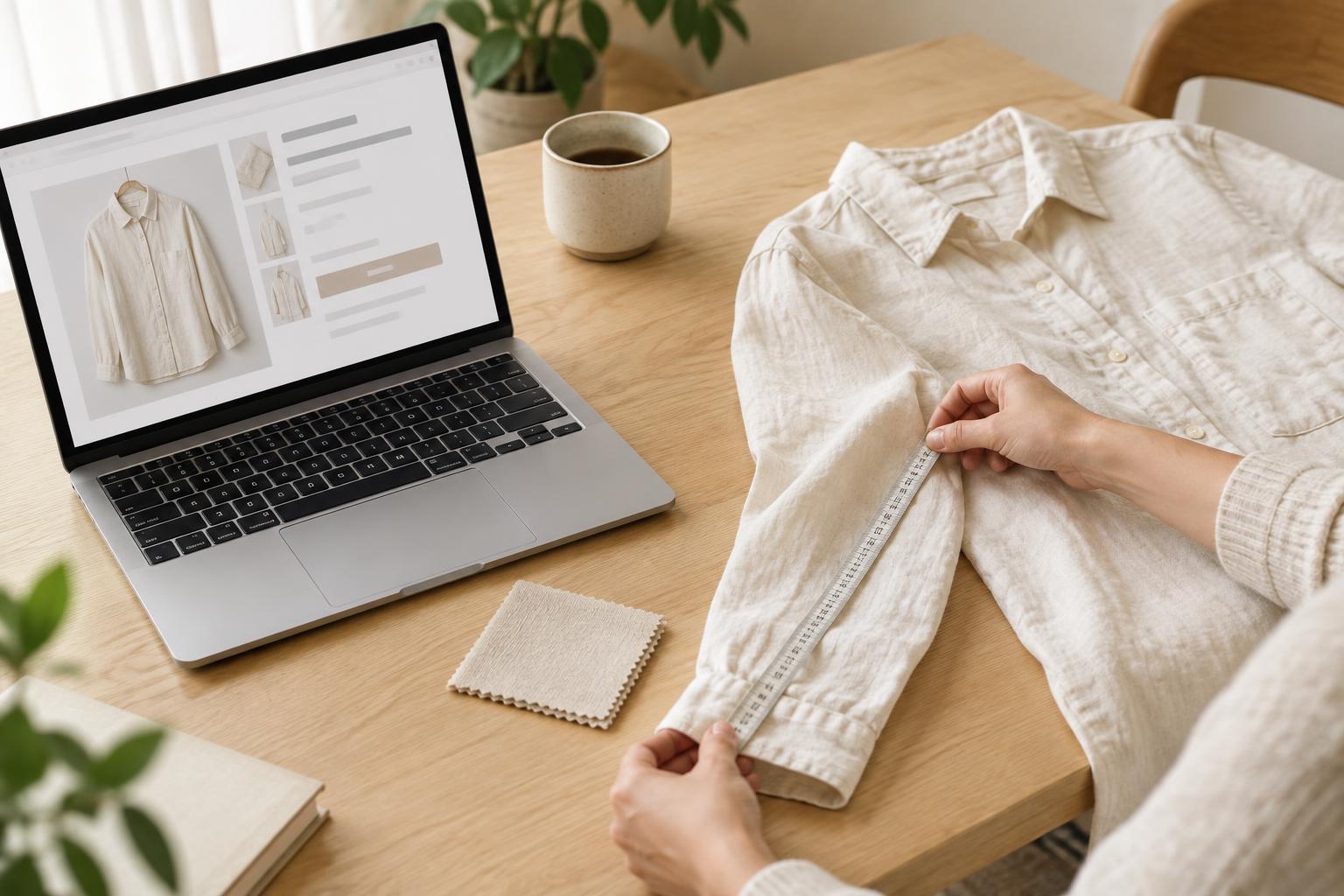
Hat sizing can vary between styles and makers, so treat the size label as a starting point. If measurements are provided, wrap a flexible tape around your head where the hat is meant to sit, generally above your eyebrows and ears. Keep the tape level and comfortably snug rather than pulling it tight. Compare your measurement with the specific sizing guide for the hat you are considering.
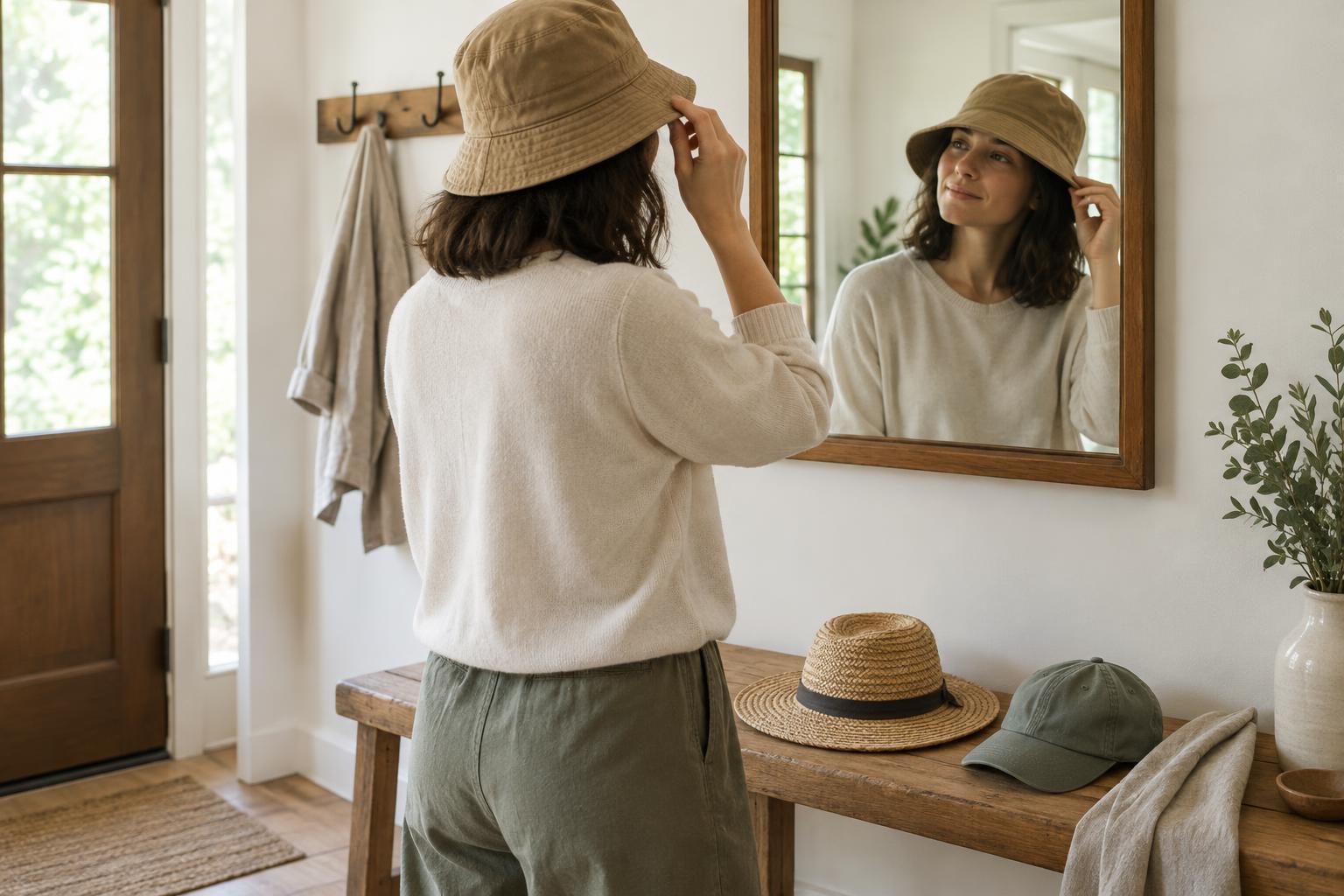
When you try a hat on, notice what happens as you move. It should stay in place when you turn your head or look down, without gripping your forehead or leaving you eager to take it off. A hat that slips over your eyes is likely too loose or too deep; one that sits high and feels strained may be too small or too shallow. The brim should also leave you able to see clearly.
If you are between sizes, look for adjustable bands, ties or another fit feature rather than relying on the hat to change shape with wear. Try it with the hairstyle you commonly have, since a bun, thick hair or a different part can affect how it sits. Comfort during a few minutes of stillness matters, but comfort while walking matters more.
Choose a shape that feels natural
There is no single hat shape that suits everyone. Instead of following a rigid rule about face shape, pay attention to proportion and how the hat feels with your clothes. A narrow brim may be easy to manage on a busy day, while a wider brim offers more coverage but can feel cumbersome in crowded spaces or on windy walks. A close-fitting beanie is simple to tuck into a bag; a more structured hat asks for a little more care.
Try looking at the hat from the side as well as the front. Check where the crown rests, whether the brim brushes your glasses and how it works with the collar of your jacket. If you find yourself constantly adjusting it in the mirror, try another shape. The most wearable choice is often the one you can put on and then largely forget about.
Match the material to your day
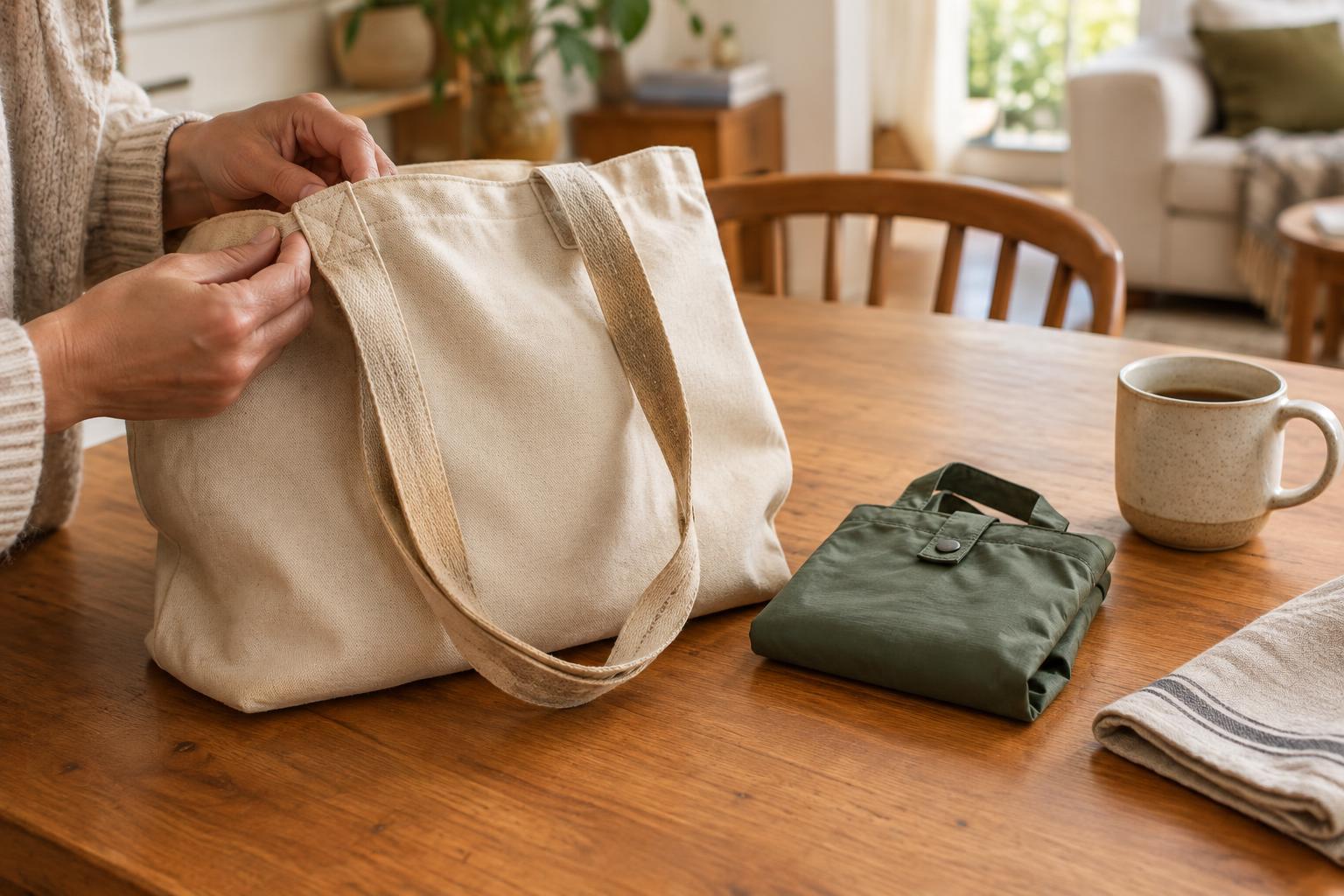
Material affects warmth, breathability, weight and how a hat holds its shape. Soft knits can be comfortable in cool weather, though the thickness and fit make a difference. Lightweight woven fabrics may feel easier in warmer conditions. A structured felt or fabric hat can give an outfit a defined shape, but it may be less convenient if you need to fold it into a tote.
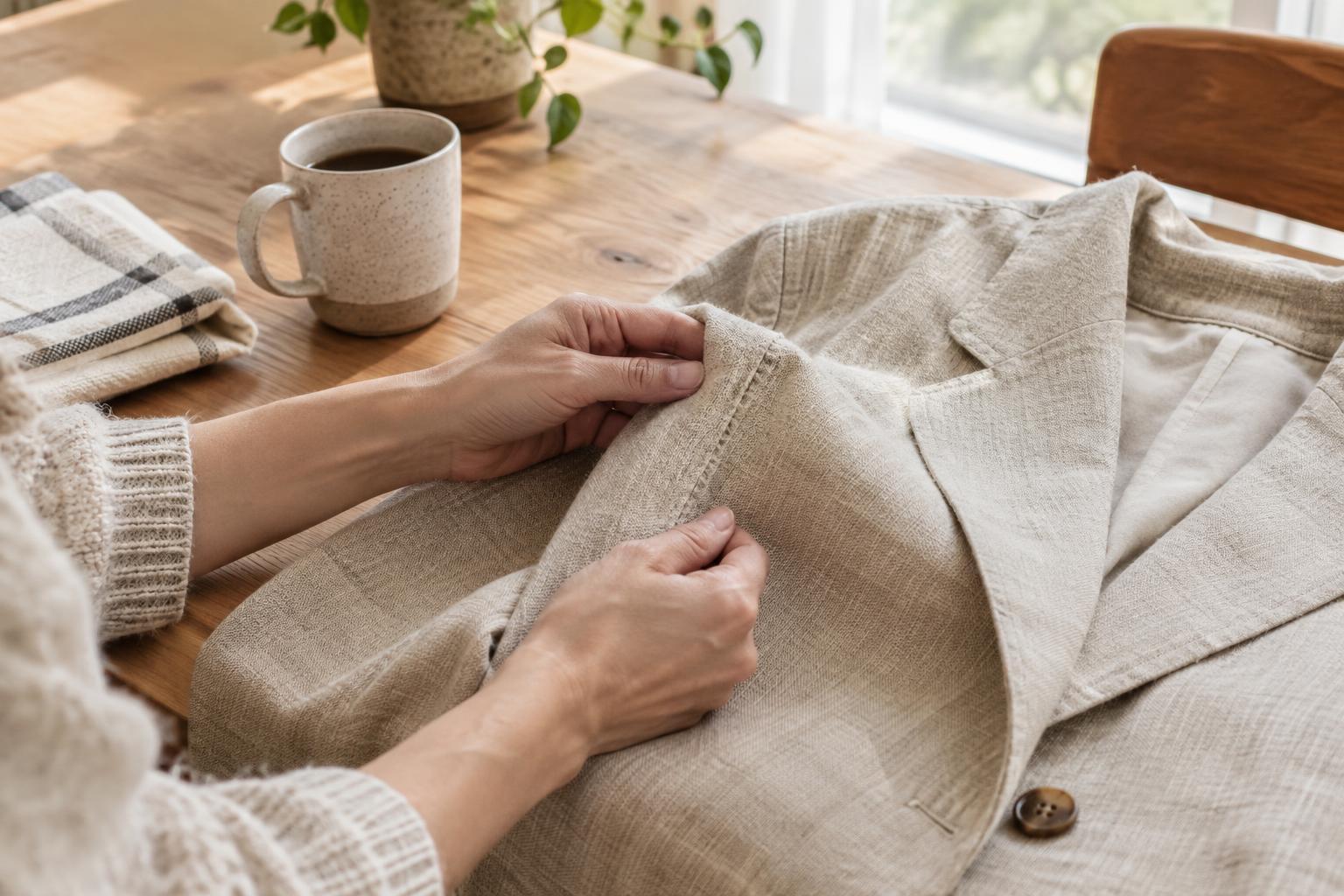
Feel the inside as carefully as the outside. Seams, labels and stiff bands can become noticeable after extended wear. If you expect to wear a hat in changing weather, check its care instructions and avoid assuming every material handles rain or machine washing well. For sunny days, consider how much of your face the brim actually shades, while remembering that a hat is only one part of a comfortable outdoor outfit.
Make the final choice easy to live with
Before buying, imagine where the hat will go when you are not wearing it. Can you hang it by the door, place it on a shelf or carry it without crushing it? Notice whether it catches on your bag strap, interferes with headphones or needs frequent readjustment. Small details can determine whether an accessory becomes part of your routine.
If possible, try your leading choice with a coat or jacket similar to one you wear often. You do not need a perfect match: a hat that shares a color, texture or relaxed feel with your everyday wardrobe can look intentional. Once you bring it home, store it in a way that preserves its shape and follow its care label. A comfortable fit, a useful material and a style you enjoy wearing will usually matter more than a hat that only looks good for a moment.