Make room for the ideas before you choose
Choosing one project can feel like rejecting all the others. It helps to separate those two actions. You are deciding where to put your attention for now, not making a permanent judgment about which ideas matter. A half-written story, a room you want to rearrange and a collection of photos you hope to print can all be worth keeping, even if only one fits into this season of your life.
Start by putting every idea in one place: a notebook, a note on your phone or a folder of scraps. Give each idea a short name and one sentence about what draws you to it. This is an idea list, not a to-do list; nothing on it needs a deadline. Once an idea has a place to live, you may find it easier to stop holding it in your head while you work on something else.
Choose for the life you have right now
The most compelling idea is not always the best one to begin today. Before choosing, look at your available time, space, energy and materials. A project that needs a clear table for an afternoon may be lovely, but a small sketchbook practice might fit better if your days are crowded. This is not a reason to give up the larger project. It is a reason to choose a starting point you can realistically return to.
Ask yourself three questions: Which idea am I most curious to explore? Which one can I take a first step on with what I already have? Which one suits the amount of attention I can give it over the next few weeks? You do not need a perfect answer to every question. If two ideas still feel equally appealing, choose the one with the simpler first step. You can learn more by beginning than by trying to predict the entire experience.
Give your choice a small, clear shape
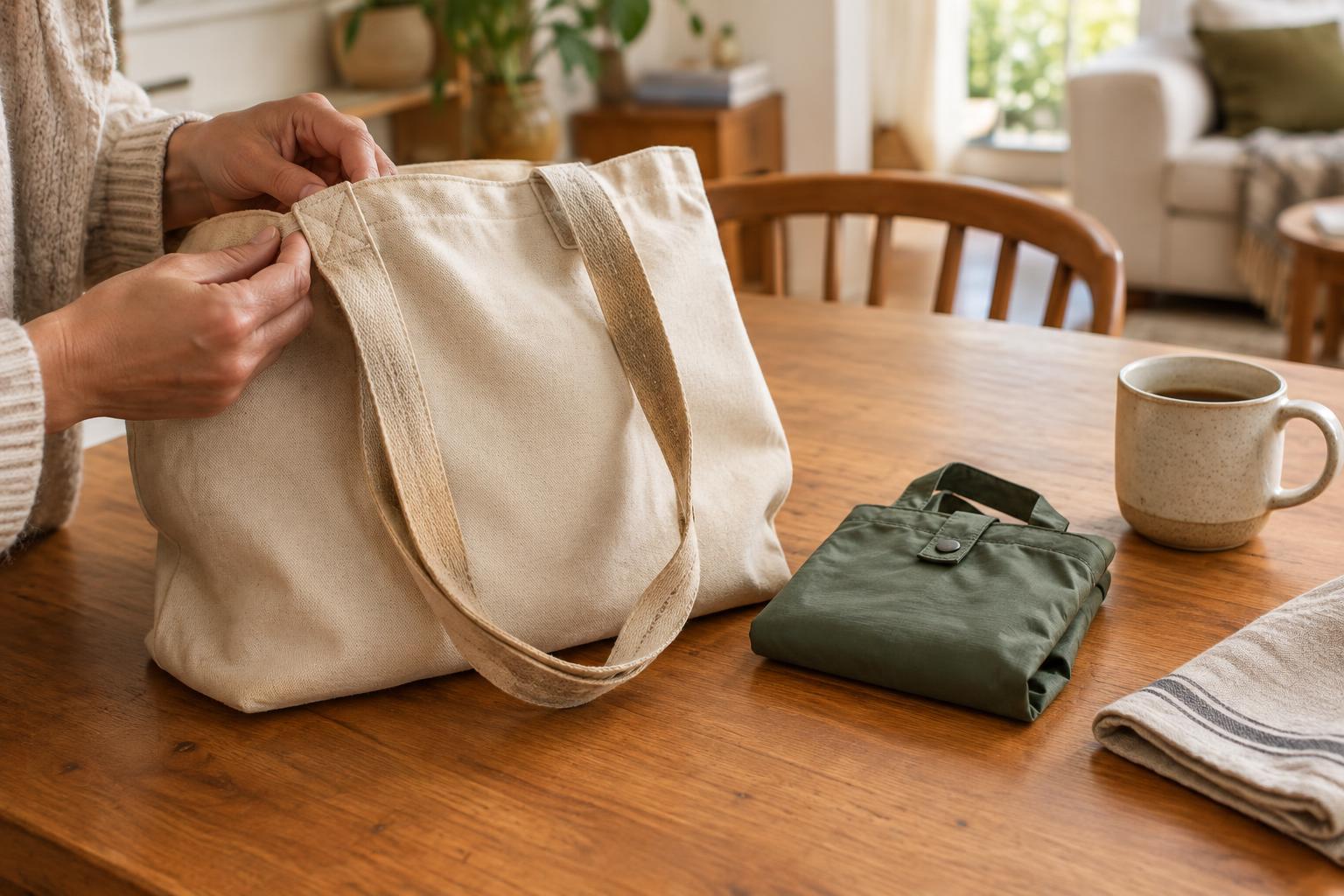
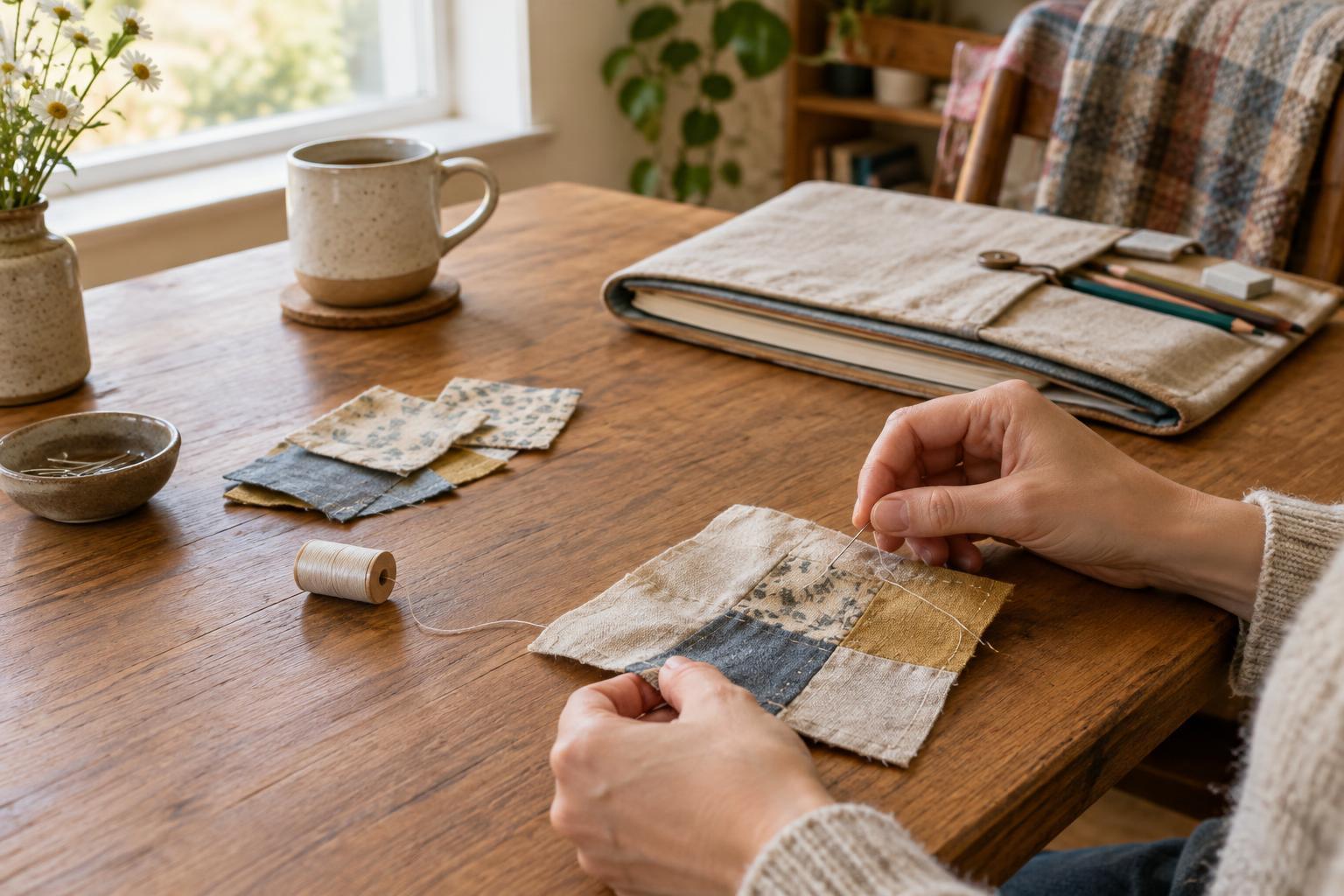
A project becomes less intimidating when you define what working on it means. Instead of deciding to “be more creative,” choose an action you can recognize: draft one page, sew a cushion cover, make a small collage or sort the photographs for an album. Then decide when you might do it. A quiet half hour after breakfast or one weekend session may be more useful than an ambitious schedule you cannot maintain.
It can also help to set a modest stopping point. You might commit to three sessions or to finishing one small version of the idea before deciding what comes next. This gives the project enough room to develop without making it feel endless. Keep the materials easy to reach if you can, and write down the next action when you stop. Returning is gentler when you do not have to work out where to begin all over again.
Keep other ideas without letting them take over
New ideas often arrive once you have started. Rather than switching projects immediately, add them to your idea list with enough detail that they will still make sense later. A title, a quick sketch or a note about the materials you imagined may be enough. Then return to the task in front of you. Capturing an idea is a way to welcome it; acting on it does not have to happen the same day.
If an idea keeps pulling at your attention, pause and consider why. It might offer a useful detail for your current project, or it might simply be easier than the difficult part you have reached. Neither possibility is a failure. You can borrow the useful detail or make a note of the obstacle you are avoiding. If your priorities have genuinely changed, you are allowed to change projects deliberately rather than drifting from one to another.
Set a time to reconsider
Choosing one project works best when you know the choice is temporary. Pick a natural moment to check in, such as after your small stopping point or at the end of a month. Look at what you made, what you enjoyed and what felt awkward. Do you want another round with this project, a smaller version of it or a turn with something from your idea list? You can make that decision with experience behind you instead of pressure to choose once and for all.
Some ideas will wait comfortably. Others may lose their appeal, and that is useful to discover, too. Your list is not a promise to finish everything on it. It is a place to keep possibilities while you give one of them your care and attention. Creative work can grow through that rhythm: choose, begin, notice and choose again.