Begin with the job the item needs to do
Quality is easier to judge when you know what you expect from a purchase. A soft sweater for quiet evenings has a different job from a layer you will wear on long walks. A decorative basket may only need to hold blankets, while one used daily for laundry needs comfortable handles and a sturdy base. Before considering the label, picture where the item will live, how often you will use it and what would make it frustrating to own.
Name two or three qualities that matter most for that use. They might be comfort, easy cleaning, repairability or a shape that works with what you already have. This short list helps you notice meaningful details instead of being swayed by packaging or a familiar name. It also makes it easier to pass on an attractive item that does not quite fit your life.
Look closely at materials
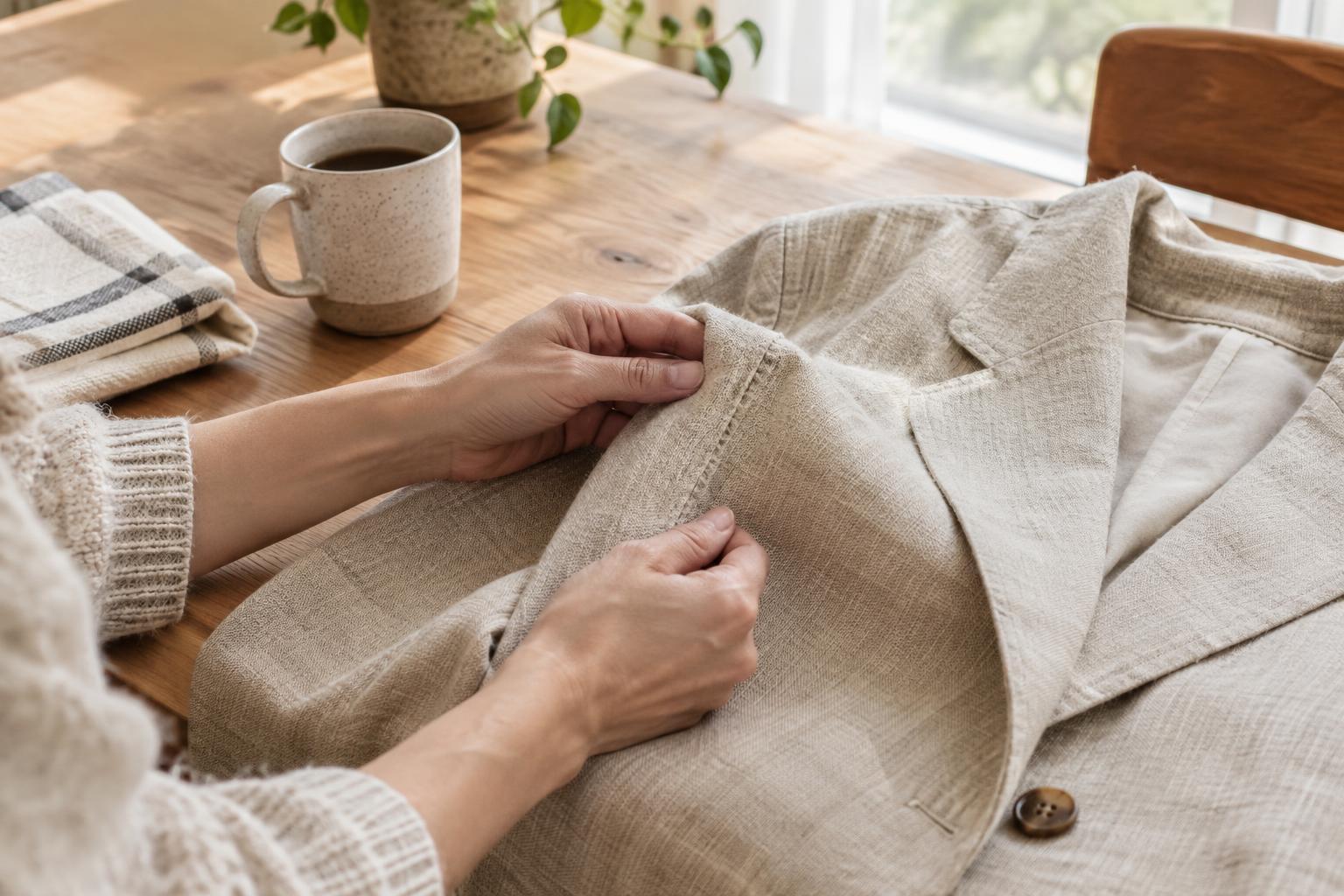
Material labels are useful, but no single fiber or ingredient guarantees a good product. Consider how the material feels and behaves in relation to its purpose. For clothing, hold the fabric up to the light, gently stretch it and see whether it settles back. Check whether it feels pleasant against your skin and whether its weight suits the season. A thicker fabric is not automatically better: a lightweight shirt can be well made, just as a heavy one can feel stiff or uncomfortable.
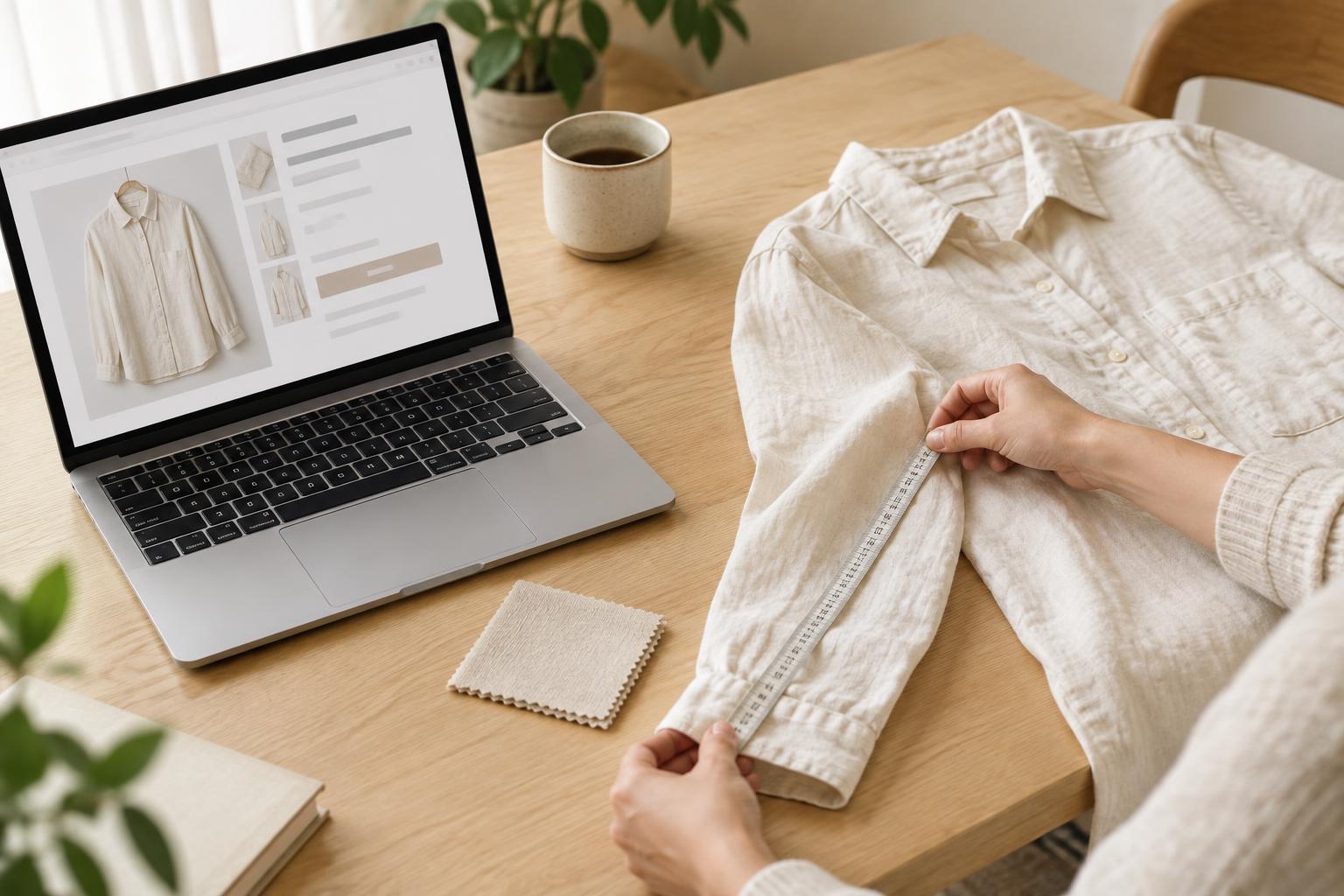
For home items, think about the surface they will touch and the conditions they will face. Will a cushion cover need frequent washing? Will a tray be carried with things on it? If you are shopping online, read the material description and care information rather than judging by photographs alone. When details are missing, treat that uncertainty as part of your decision.
Check the parts that work hardest
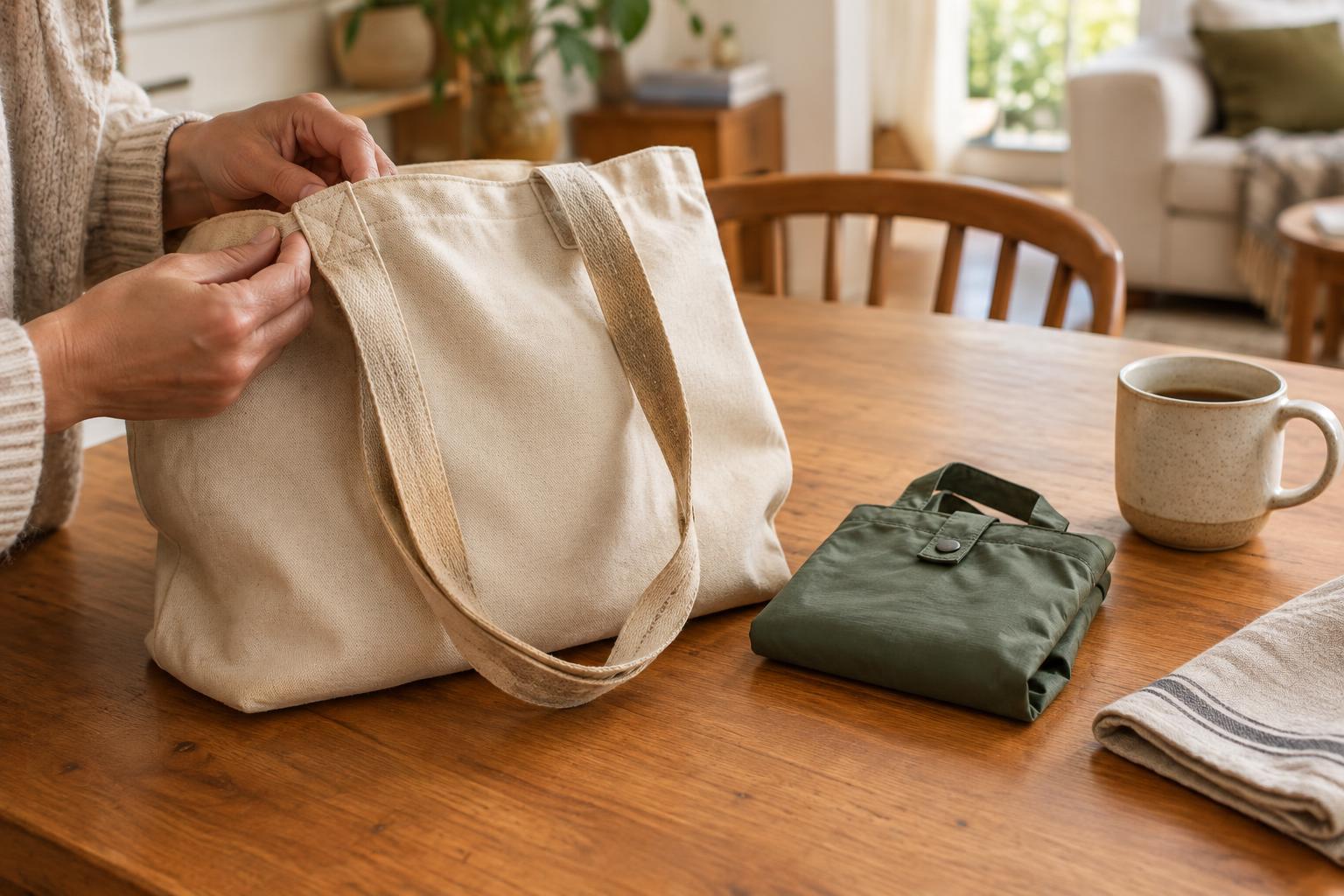
Construction often tells you more than a logo. On clothing, look at seams, hems, buttons and zippers. Seams should lie reasonably flat, with no obvious gaps or loose sections; closures should be easy to use and feel securely attached. Check areas likely to receive strain, such as pockets, underarms and bag straps. Small irregularities may not matter, but a weak point in a place you will handle every day is worth noticing.
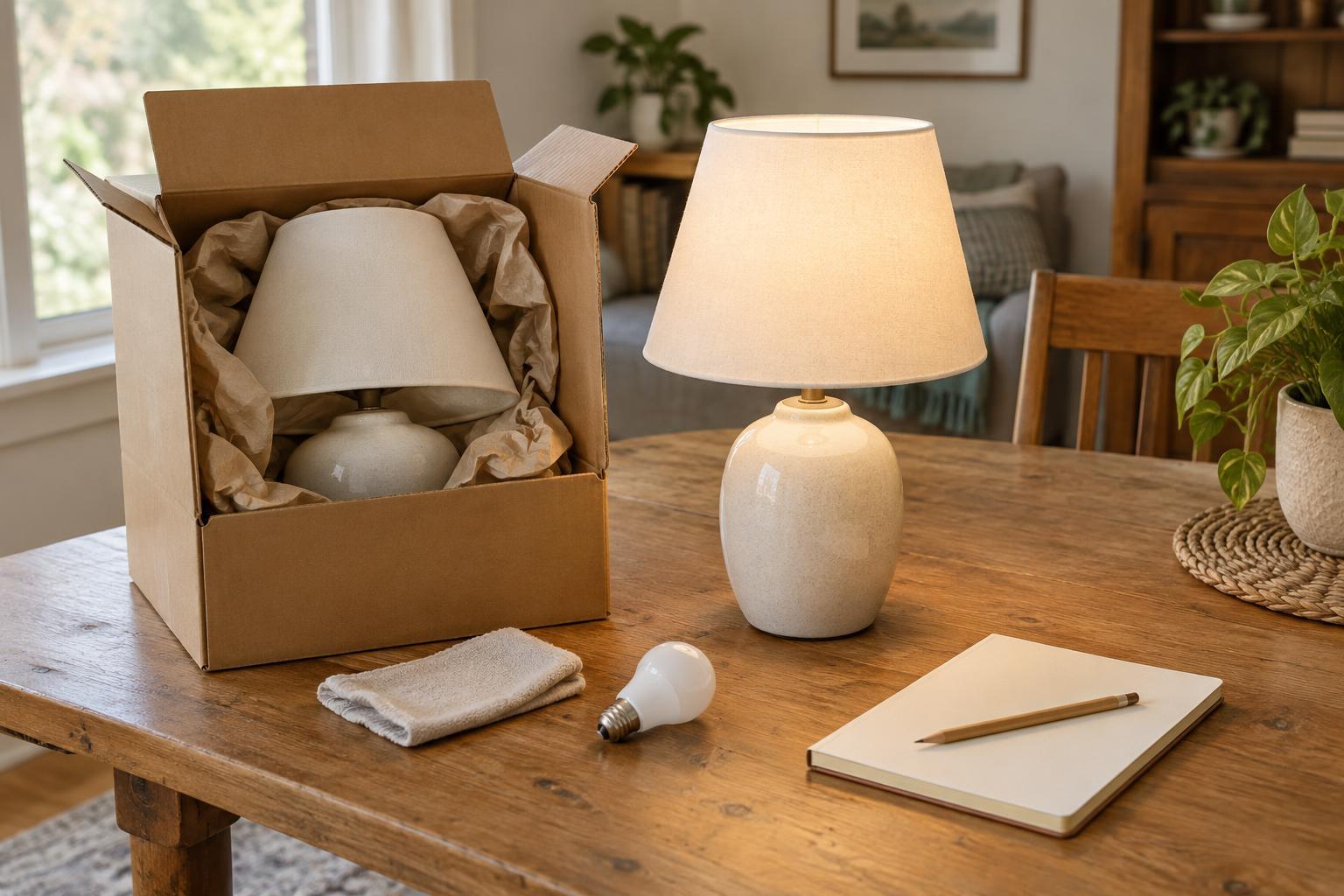
The same approach works for household purchases. Set a box or basket on a level surface to see whether it sits steadily. Open and close a drawer, lid or clasp if you can. Feel where a handle meets the body of a mug or tote. None of these quick checks can predict how long an item will last, but they can reveal whether its most-used parts seem suited to ordinary use.
Consider the cost of living with it
The purchase price is only one part of value. An item that needs special cleaning, careful storage or frequent adjustments may not be a bargain for you, even if it is discounted. Read care instructions before buying and decide whether you are willing to follow them. For clothing, try the piece on and move as you normally would: sit, reach and walk. If you are already tugging at it in the fitting room, you may keep doing so at home.
Think, too, about what happens when something wears out. Could a button be replaced, a cover washed or a small part tightened? Not everything needs to be repairable, but accessible fastenings and straightforward construction can make an everyday item easier to maintain. The best choice is not always the one built to last forever; it is the one whose care and likely lifespan make sense for your needs.
Compare thoughtfully, then give yourself permission to wait
When choosing between similar items, compare the details you can actually observe. Lay out your priorities and ask which option meets them with the fewest compromises. If you are shopping online, look for clear photos from several angles, dimensions, care instructions and a return policy you understand. Reviews can offer useful clues about fit or day-to-day use, but one person's priorities may be different from yours.
A brand name can be a starting point for familiarity, but it need not make the decision for you. Neither a high price nor an unfamiliar label tells the whole story. If you cannot inspect an important detail or are unsure how an item will fit into your routine, waiting is a reasonable choice. Buying less hastily leaves room to choose something you will enjoy using, not merely something that looked convincing at first glance.