Begin with the life you have now
A long break can make a familiar creative practice feel strangely unfamiliar. The notebook is still there, but you may not know what to put in it. Your paints, camera or sewing supplies may remind you of a time when you had different energy and fewer demands. Before trying to recover an old rhythm, notice what your days are like now. A routine built for your current life has a better chance of feeling welcoming.
Ask yourself what you miss about making things. Is it the quiet of working with your hands, the pleasure of finishing something, or the chance to follow an idea without a practical purpose? Your answer can guide a first step. You do not have to resume the exact project you left behind. If it no longer interests you, choosing a new one is not a failure to return.
Make the first step almost too small
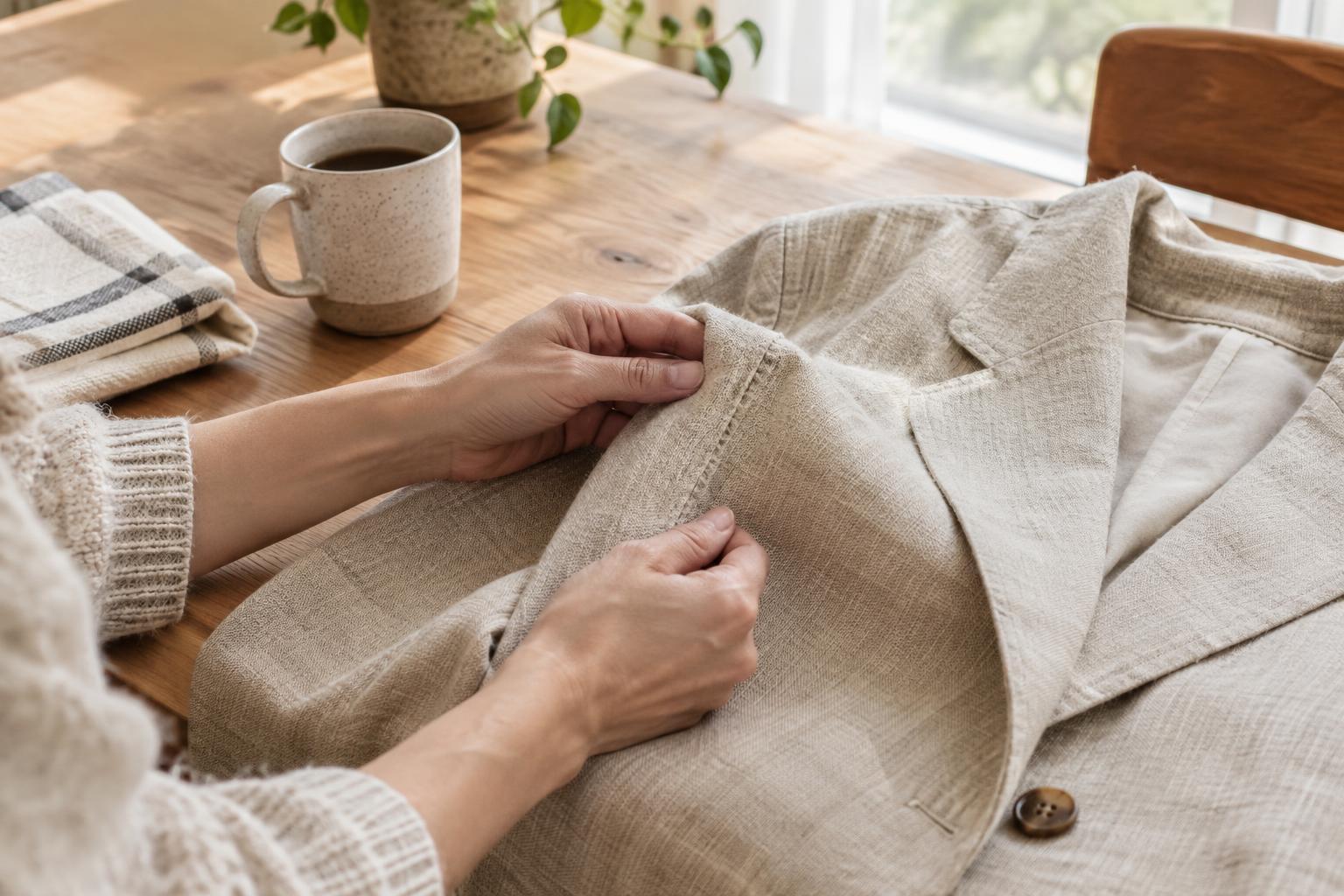
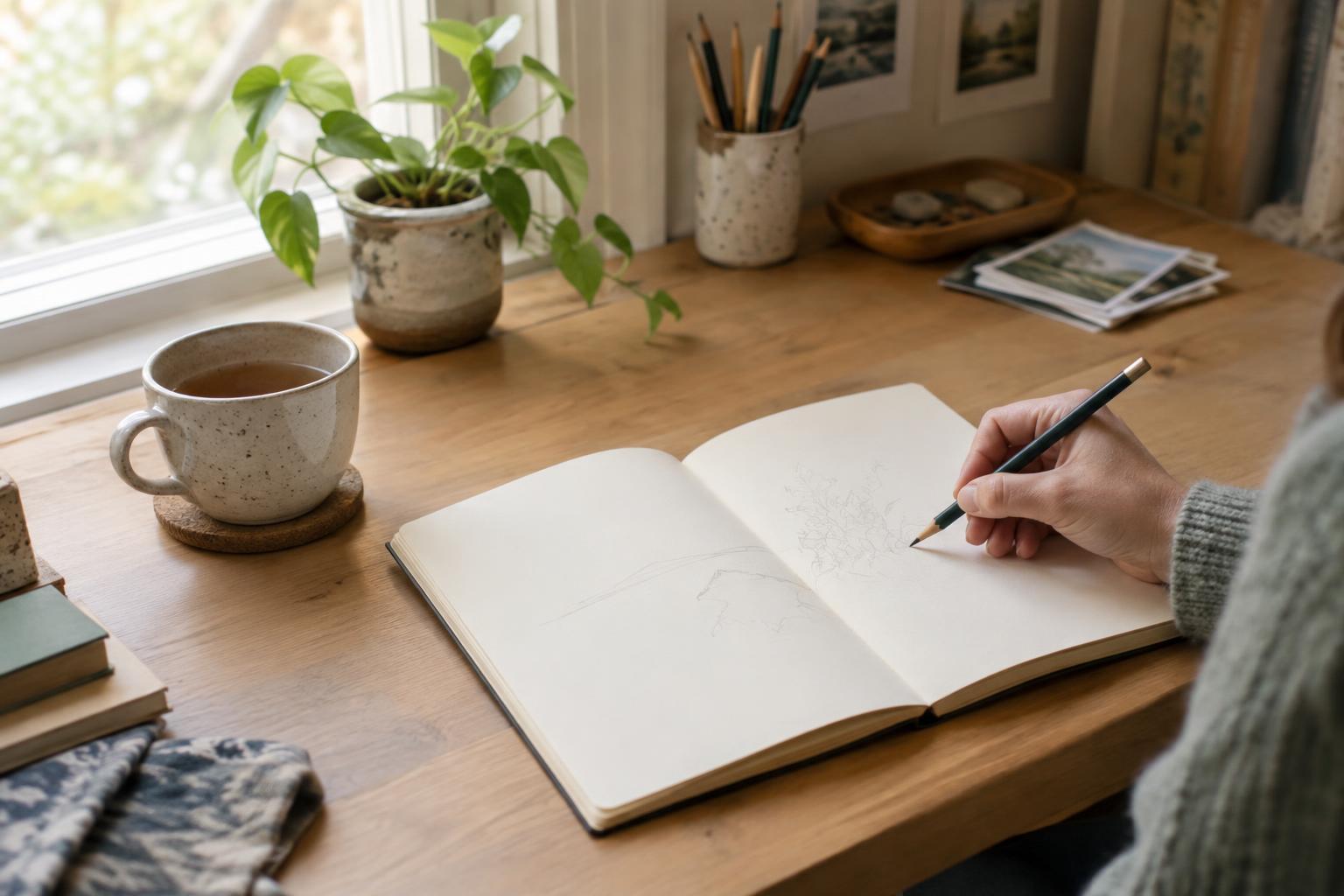
Instead of declaring that you will create every morning, choose an action you could do on an ordinary, slightly busy day. Write three sentences. Sketch an object on the table. Arrange a few scraps of fabric by color. Spend ten minutes looking through photographs you might want to work with. These actions count because they bring you back into contact with your materials and your curiosity.
A small start also gives you room to stop without disappointment. When your chosen time is up, you can leave the work where it is and return another day. If you want to continue, you can. Keeping the first commitment modest makes it easier to distinguish the pleasure of making from the pressure to produce. For now, the goal is to open the door, not to complete a body of work.
Prepare a place that invites you in
A creative space does not need to be a dedicated room. It might be a tray that holds a notebook and pens, a basket beside your favorite chair, or a clear corner of the kitchen table. What matters is reducing the number of little decisions between wanting to begin and actually beginning. Put the materials for your next session together, and make them easy to reach.
Consider what makes that space pleasant without turning preparation into another large project. Good light, a comfortable seat and enough clear surface to work may be all you need. If your activity is messy, keep a cloth or container nearby for a quick reset. At the end of a session, leave yourself a simple starting point: an open page, a note about the next step, or the materials for one small task.
Give imperfect work a purpose
After a break, it is tempting to compare every attempt with what you used to make or with an imagined finished result. Try treating early sessions as a way to get reacquainted with your practice. A rough sketch can help you notice a shape. An unfinished paragraph can reveal a question you want to explore. A lopsided first attempt at a craft can show you which part of the process you enjoy.
You can make this easier by choosing projects that welcome experiments. Fill a page with variations of one idea, make a short piece you do not plan to share, or try a familiar technique with materials already at home. Set aside a place for drafts and attempts so they need not compete with finished work. Their value is in giving you something to respond to next time.
Build a rhythm you can return to
A useful routine is not one you never interrupt. It is one you know how to rejoin. Choose a gentle cue, such as sitting down with your materials after your morning drink or spending a little time on a project before putting things away for the evening. If a daily session feels crowded, try once or twice a week. Make the invitation clear enough to remember and flexible enough to survive a change of plans.
Every so often, notice what is helping. Perhaps short sessions suit you, or perhaps you prefer one unhurried block of time. Keep what works and adjust what does not. When another gap happens, you will not need to start from zero: you can return to your materials, choose one small action and begin again. A creative routine can be a familiar place to visit, even when visits are irregular.