Start with the job, not the products
A crowded page of nearly identical options can make a simple purchase feel complicated. Before opening more tabs, describe what you need the item to do in one sentence. “I need a bag that holds my daily essentials and feels comfortable on a walk” is more useful than “I need the best bag.” It gives you a way to judge each option against your life rather than against every other product for sale.
Think about where and how often you will use it. A throw for a sofa you sit on every evening may need to feel pleasant and be easy to care for. A decorative cushion for a seldom-used chair might invite a different set of priorities. Neither choice needs to satisfy every possible purpose. Naming the main job helps you set aside attractive features that would not make much difference at home.
Choose a few criteria that actually matter
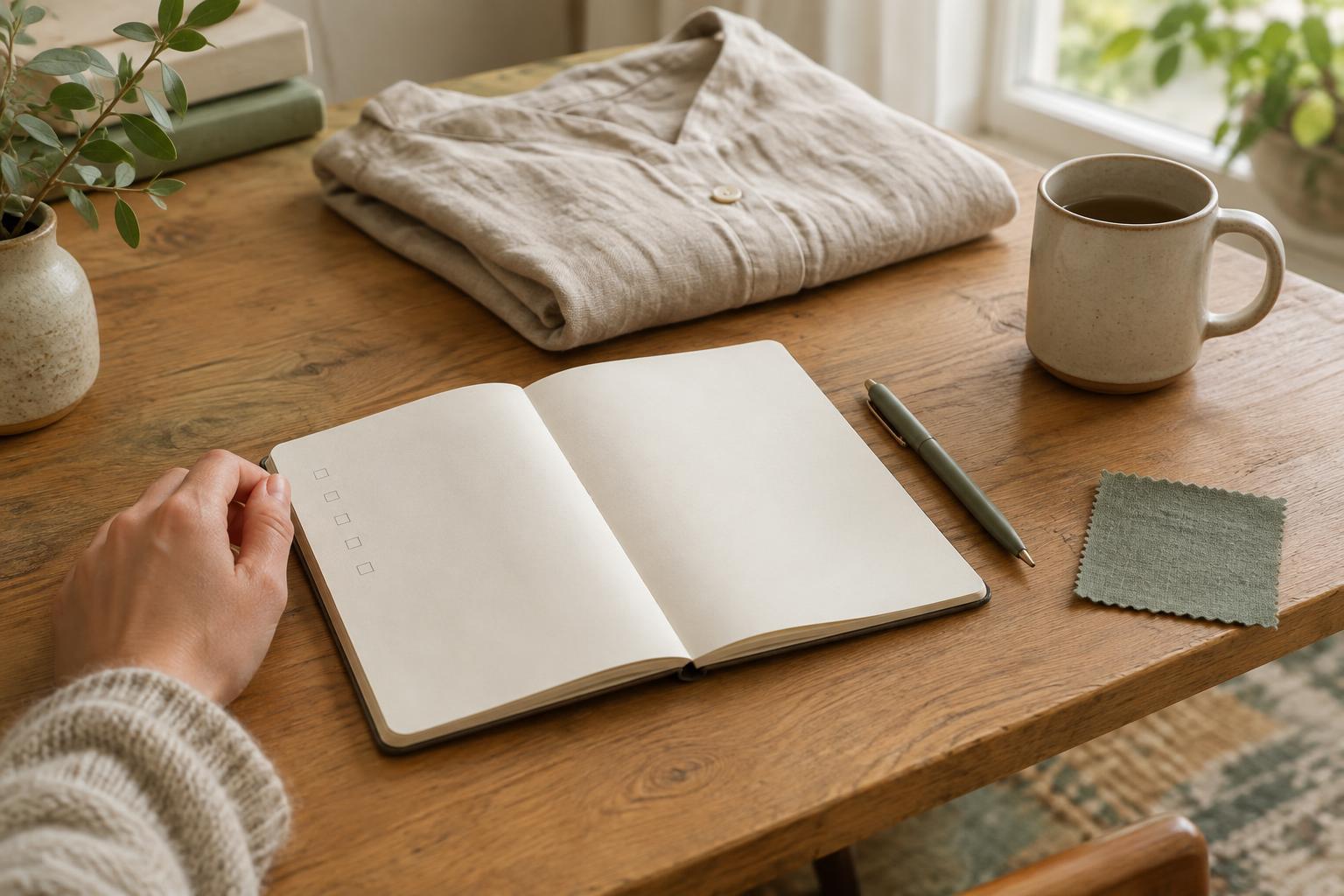
Write down three to five requirements before comparing details. They might include size, comfort, care, compatibility with what you own and total cost. Separate essentials from preferences: a lamp may have to fit a narrow table, while a particular finish would simply be nice. If an option misses an essential requirement, you can remove it from consideration without weighing its other merits.
Be specific where you can. “Easy to clean” might mean machine washable for a frequently used blanket, but a wipeable surface for an entryway tray. “Affordable” can mean a spending limit you are comfortable with, including any delivery or necessary accessories. Your criteria need not be elaborate; their purpose is to make the comparison smaller and more relevant.
Compare a shortlist side by side
Once you have a handful of plausible options, stop collecting new ones for a while. Put the shortlist in a simple note and record the same facts for each product. For a pair of everyday shoes, that might be fit information, material, care needs, price and return conditions. Looking at the same categories side by side is easier than trying to remember what you liked about each listing.
Focus on differences you could notice in use. Two storage baskets may look similar, but one has handles that make it easier to move and the other fits your shelf better. Product descriptions can help with measurements and materials, while photographs may help you judge shape or colour. When an important detail is missing, treat it as unknown rather than filling in the gap with an assumption.
Use reviews as clues, not as a scoreboard
Reviews can be useful for questions a description may not answer: whether a zipper feels awkward to use, a fabric needs particular care or an item is tricky to assemble. Look for comments that describe a specific experience similar to the way you plan to use the product. One person's complaint may matter greatly to you, or not at all, depending on their expectations.
Try not to let a small difference in ratings replace your own criteria. A highly praised item can still be the wrong size for your space or more demanding to maintain than you want. If comments conflict, return to the practical question behind them. Do you need more information about fit, texture or durability? If so, check whether the seller provides it or whether the return terms make trying the item reasonable.
Decide when the comparison is complete
It is tempting to keep searching for an option that is slightly cheaper, prettier or more versatile. Instead, set a stopping rule. You might decide once an item meets every essential requirement, fits your budget and has no unresolved concern that would affect daily use. If two options still seem equally suitable, choose the one with the simpler care routine, clearer information or better fit with what you already own.
You can also decide not to buy yet. If none of the options meets the main need, pausing is more useful than choosing the least disappointing one. Thoughtful shopping does not require a perfect choice; it means giving the decision attention in proportion to its importance. A clear need, a short list and a point at which you stop browsing can turn an overwhelming search into a manageable one.