Give your wish list a job
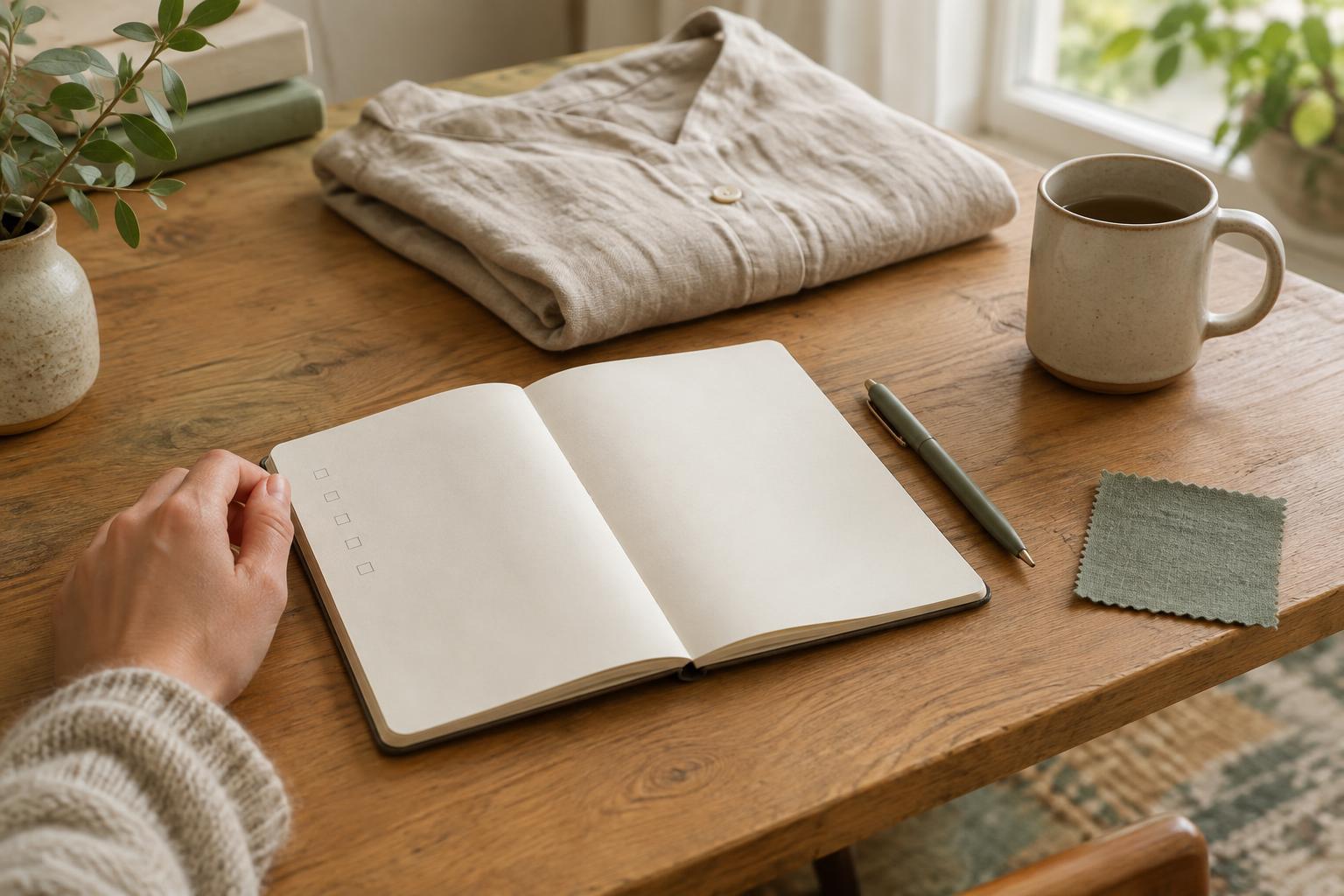
A wish list can easily become a long collection of things that caught your eye for a moment. That is pleasant enough, but it does not always help when you are ready to buy something. To make the list useful, decide what you want it to answer: What would make daily life easier? What would you enjoy using often? Which purchase can wait? You do not need a special app. A notebook, a phone note or a simple document is enough if you can find and update it.
Start by dividing the list into a few areas that reflect your life, such as clothing, home, hobbies and gifts. Keep the categories broad so maintaining them does not become another chore. Leave room for small purchases as well as larger ones; an everyday item that solves a recurring annoyance may deserve attention before something more exciting. The goal is not to talk yourself out of every treat. It is to see your options together rather than deciding on each one in isolation.
Record the reason, not just the item
When you add something, write a sentence about why you want it. “Warm layer for walks on cold mornings” tells you more than “blue cardigan.” “Lamp for reading in the living room” makes the intended use clear. You can also note a size, material, colour or feature that matters. If you later find a different item that meets the same need, you can compare it fairly instead of feeling tied to the first version you saw.
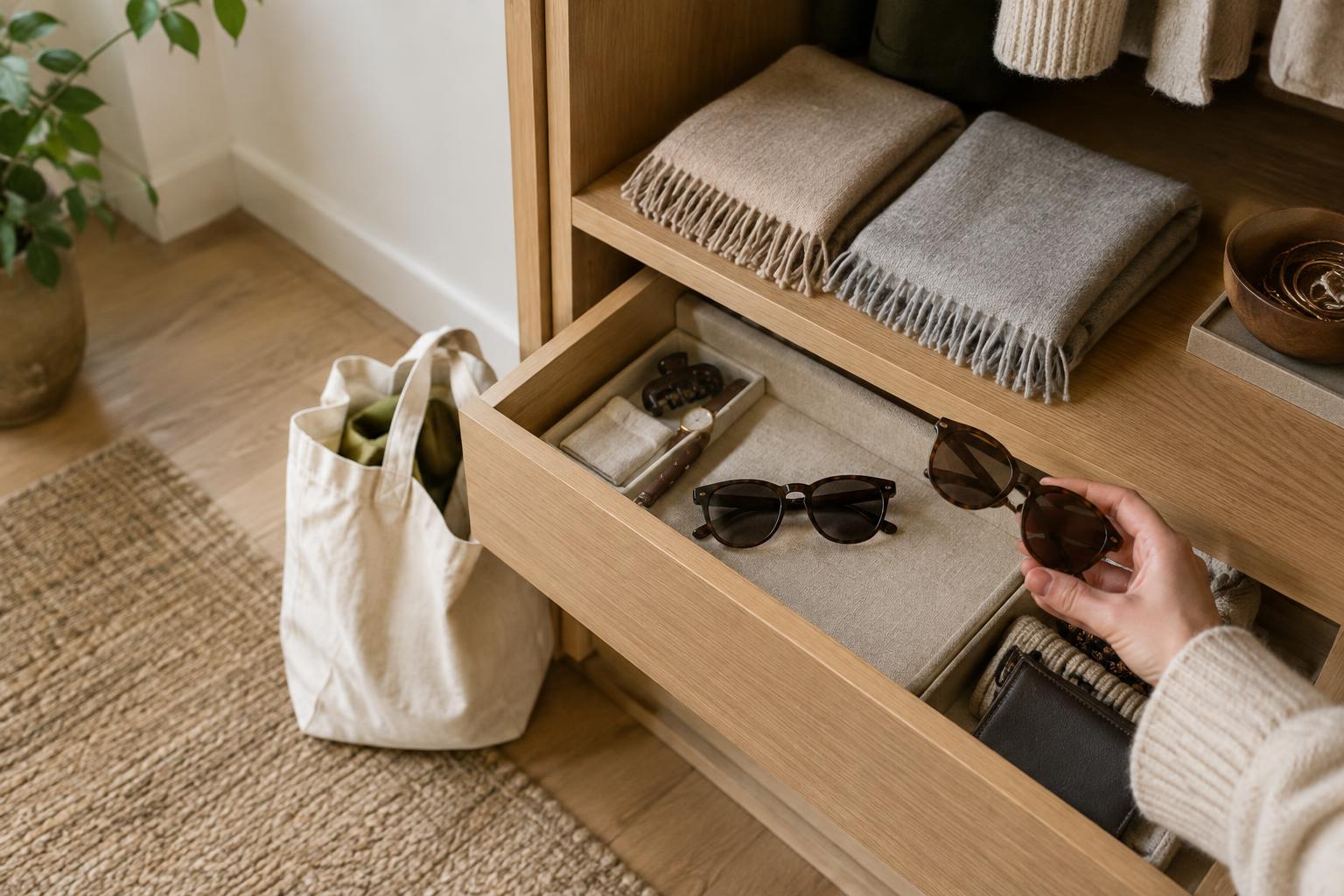
It helps to distinguish a gap from an appealing possibility. Perhaps your current bag is uncomfortable to carry, or perhaps you simply like the look of another one. Both reasons can be valid, but they may call for different levels of urgency. Before adding a replacement, check what you already own and whether a repair, a change of placement or a new way of using it would work. That quick check can keep the list focused without making it restrictive.
Use simple priority labels
Give each entry a loose label, such as “needed soon,” “would improve a routine” or “nice to have.” Labels are easier to maintain than a complicated scoring system. A needed-soon item might replace something you rely on that no longer works. A routine-improving item might be a comfortable pair of shoes for a walk you already take. A nice-to-have item can stay on the list without competing for immediate attention.
You might also note when you would use the item. Seasonal clothing may be worth reviewing before the season begins, while a home accessory can often wait until you understand the space better. Priorities can change: a planned purchase may become less useful after a change in routine, and a modest item may move up the list once you notice how often you would reach for it. Treat the labels as prompts for thought, not rules you must follow.
Add a pause before you buy
For purchases that are not urgent, let an item sit on the list for a while before making a decision. There is no perfect waiting period; the point is to give the initial excitement room to settle. When you return, ask whether you still want that particular item or simply liked the idea of it. If the desire has faded, removing it is useful information, not a failure to follow through.
If the item still appeals, compare it with other entries you care about. Consider where it would go, what you would wear or use it with, and whether its upkeep suits your routine. A beautiful piece that needs more storage or care than you can comfortably give it may be less useful than a simpler option. You can also keep a note of the amount you feel comfortable spending on that type of purchase. That gives you a reference point when something tempting appears, without requiring you to buy it because it is discounted.
Review what the list teaches you
Set aside a few minutes now and then to tidy the list. Cross off purchases you made, remove items that no longer fit, and rewrite vague entries so they describe a real purpose. Notice repeated themes. If you keep adding soft lighting ideas, you may be looking for a more comfortable evening routine rather than one particular lamp. If several clothing items promise the same look, one versatile piece may answer the wish better than several similar purchases.
After you buy something, leave a short note about how it worked out. Did you use it as expected? Was it comfortable, practical or easy to care for? There is no need to turn every purchase into a formal review. A few honest observations can make future choices clearer. Over time, your wish list becomes less like a queue of things to acquire and more like a record of what genuinely supports the way you want to live.