Start with what you cannot judge from a listing
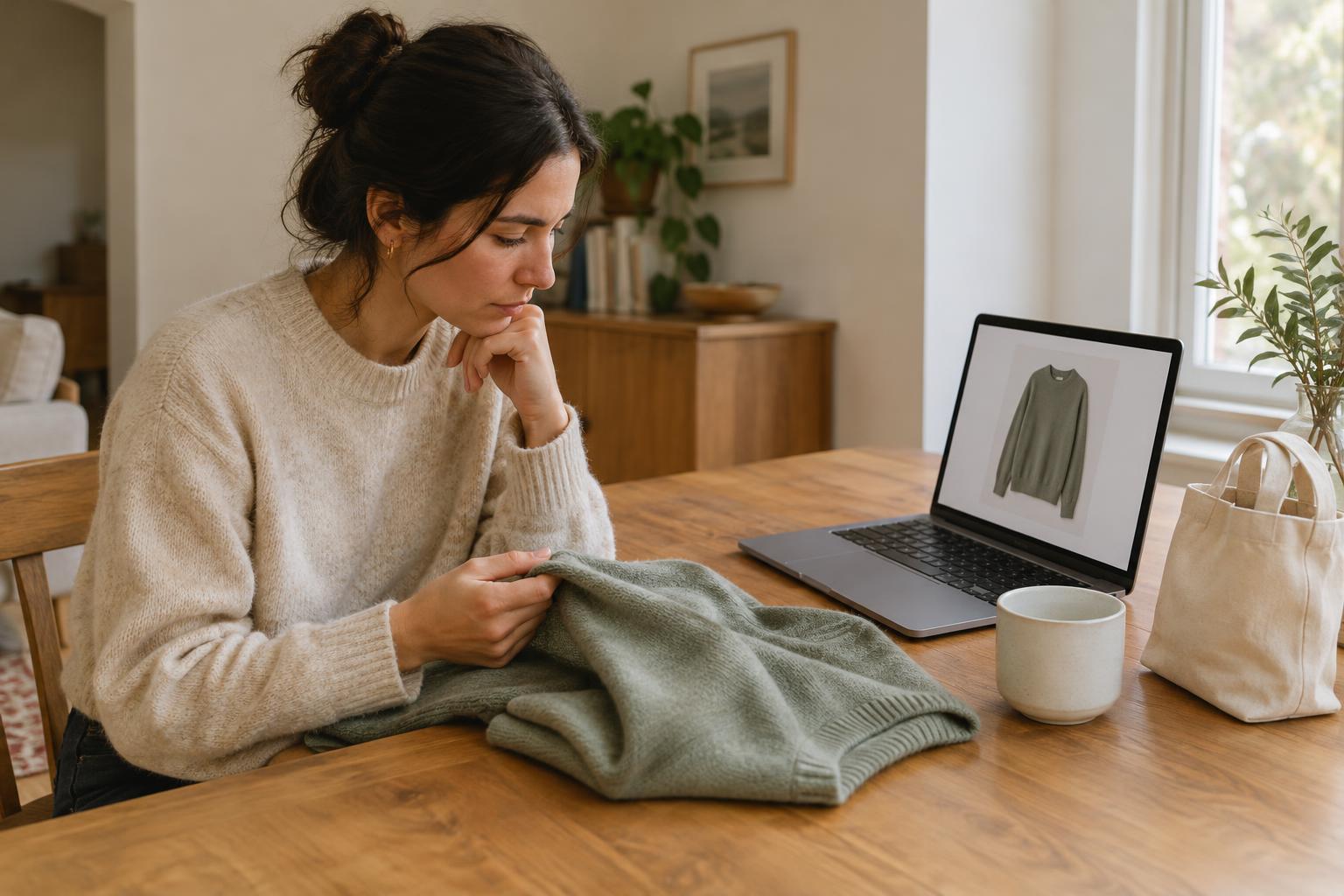
Shopping online and shopping in person solve different problems. Online stores make it easy to compare options at your own pace, especially when you already know what you want. A shop visit lets you check qualities that photographs and descriptions may not capture: the feel of a fabric, the weight of a mug or the true size of a lamp beside you.
Before choosing where to shop, name the one or two things that would make you regret the purchase. If a slightly different color would not matter, ordering online may be straightforward. If comfort, texture or scale will determine whether you use the item, seeing it in person may be worth the trip. The aim is not to find one perfect way to shop, but to match the method to the uncertainty.
Use online shopping for familiar, specific needs
Online shopping is often useful for a repeat purchase: a household item you have used before, a replacement part with a confirmed model number or a familiar basic in a size you know. It can also help when local options are limited. Search filters and product measurements can narrow a long list without requiring visits to several stores.
Make the listing do some work before you order. Check dimensions rather than relying on styled photographs, and look for material details and care instructions when they affect everyday use. For clothing, compare the garment measurements with something you already own and like. Read the return terms before buying, particularly if you are trying an unfamiliar brand or size.
Convenience is only part of the cost. Consider delivery charges, packaging and how easy a return would be if the item is wrong. A lower listed price may feel less appealing if making the purchase work requires extra time or an inconvenient return.
Visit a store when fit, feel or scale matters
For shoes, coats and other pieces you expect to wear often, trying them on can answer questions quickly. Walk, sit or move as you normally would. Notice whether you are already adjusting the item or imagining that it will become comfortable later. An in-person visit can also help you compare colors against clothing you own, rather than judging them on a screen.
The same principle applies at home. A cushion may look soft but feel too firm; a storage basket may be the right width yet awkward to lift. If the object will be handled daily or sit in a prominent spot, touching it and viewing it from several angles can be useful.
A store visit need not end in a purchase. Bring measurements, a short list and, if helpful, a photo of the space or item you are matching. You can use the visit to learn what size or material suits you, then decide later without the pressure of choosing on the spot.
Choose a hybrid approach for uncertain purchases
Some purchases benefit from both methods. You might compare styles and prices online, then visit a store to assess fit. Or you might inspect an item locally and order it later if the exact size or finish you need is unavailable. If you plan to shop this way, keep track of the precise product details so you do not accidentally choose a similar-looking version.
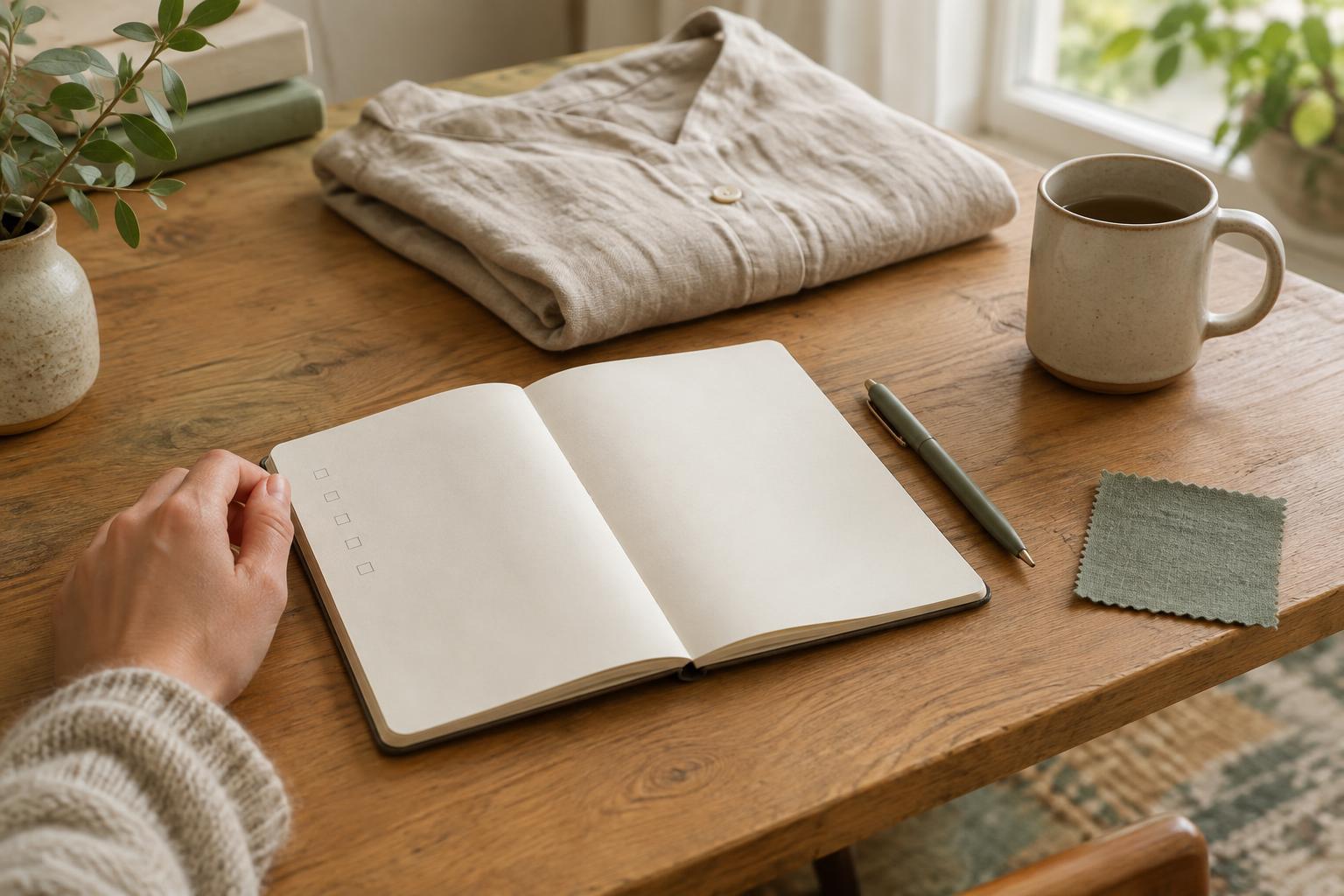
For a larger or less familiar purchase, write down your requirements before browsing: where it must fit, what it must do and what would be merely nice to have. This keeps attractive extras from crowding out practical needs. When possible, check the item itself before committing; if that is not possible, pay closer attention to measurements and return conditions.
Leave room to decide not to buy
Both a full shopping cart and a pleasant store display can make an item feel more necessary than it is. A brief pause helps separate a useful purchase from the excitement of finding something appealing. Ask where the item will go, when you will use it and whether you already own something that serves the same purpose.
If the answers are clear, choose the shopping route that gives you enough confidence without creating needless effort. If they are not, save the details and return to the decision later. Thoughtful shopping is less about always buying online or always supporting a local store, and more about finding a way to choose well for the particular item and your everyday life.