Dressing for the season instead of the day
A sunny spring morning does not always mean a warm afternoon, just as a cool autumn day can feel surprisingly mild on a long walk. One common mistake is choosing clothes because they belong to the season rather than because they suit the day ahead. The result might be a heavy sweater on a warm commute or bare ankles during an evening outdoors.
Before getting dressed, consider where you will spend your time and what you will be doing. Indoor heating, shade, wind and movement can all change how an outfit feels. A light layer you can remove often gives you more flexibility than committing to one thick piece. The goal is not to predict every change perfectly; it is to leave yourself an easy way to adjust.
Adding layers without checking how they work together
Layering is useful, but more pieces do not automatically mean more comfort. A close-fitting shirt beneath a narrow sweater may bunch at the sleeves. A jacket that fits over a T-shirt may pull across the shoulders when worn over a knit. Even an outfit that looks relaxed in the mirror can become restrictive when you reach, sit or carry a bag.
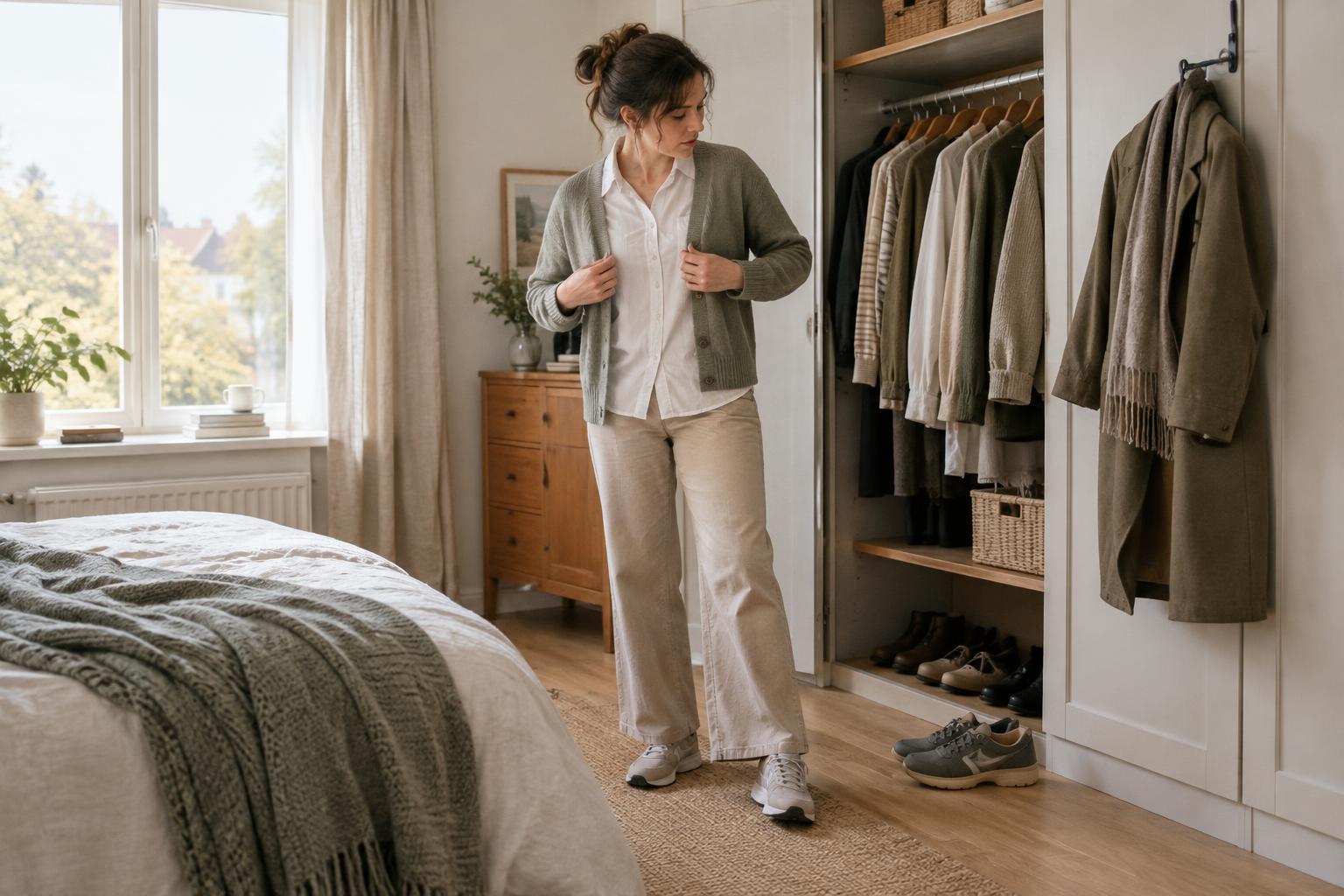
Try the complete outfit on before you need to leave. Raise your arms, sit down and walk around for a moment. If a layer keeps shifting or needs frequent straightening, consider a smoother base, a roomier outer piece or one fewer layer. Pieces that are easy to put on and take off make temperature changes simpler to manage, especially when you are moving between indoors and outdoors.
Choosing fabric by appearance alone
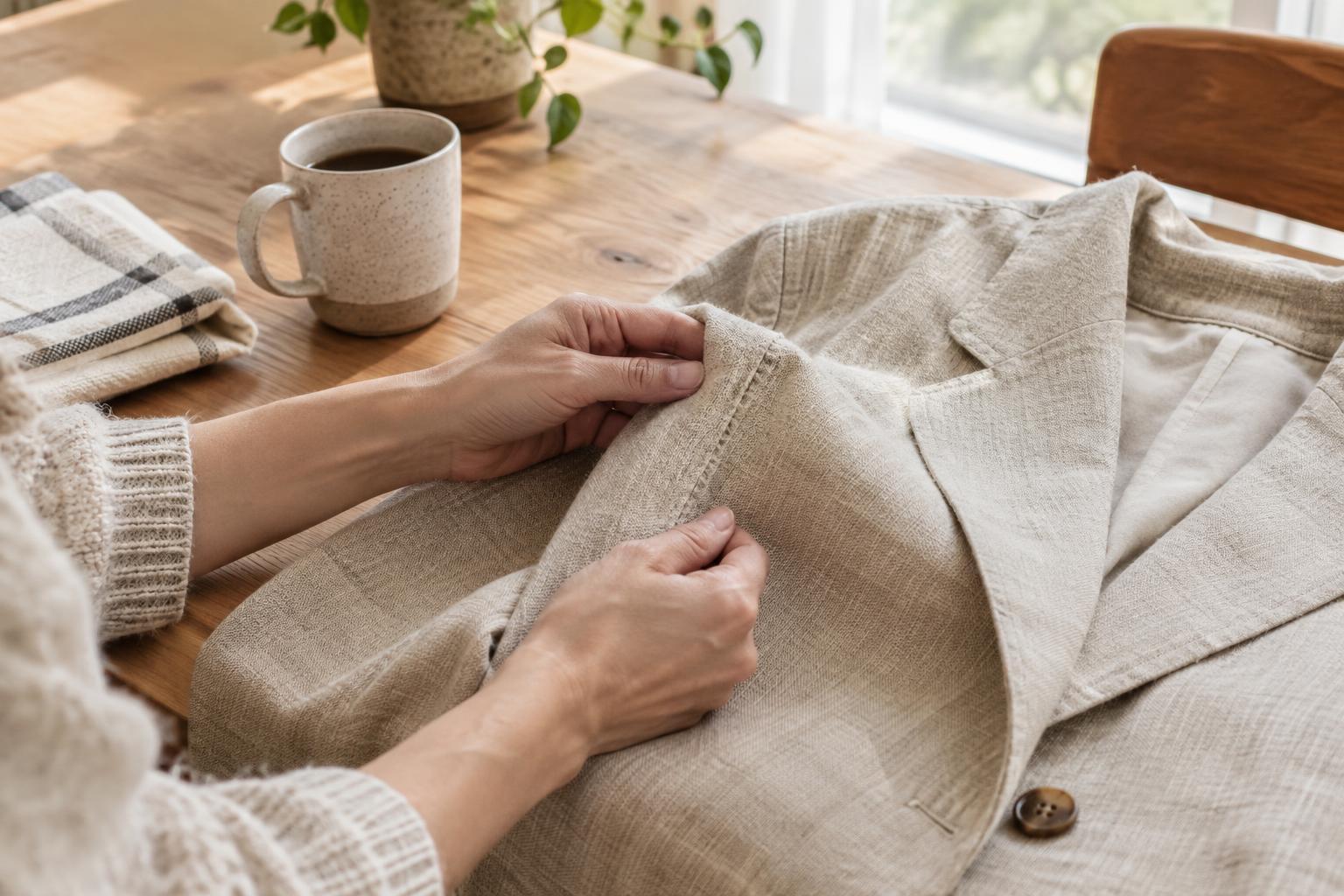
Colour and texture help an outfit feel seasonal, but the fabric also affects how comfortable it is to wear. A beautiful top may feel scratchy at the neckline; a substantial-looking piece may be too warm for an active day. Fabrics and weaves vary, so a label or a quick glance cannot tell you everything about how a garment will feel against your skin.
Pay attention to your own preferences when you try something on. Check whether the fabric feels pleasant at the collar, cuffs and waist, and notice how it moves when you bend or walk. If you tend to feel too warm, an easily removable layer may be more useful than a single heavy garment. If you dislike a particular texture, there is little benefit in keeping it simply because it looks right for the season.
Overlooking fit at the places that move most
Seasonal dressing often changes what goes underneath an outfit. Thicker socks can make familiar shoes feel tight. A tucked-in base layer can alter how trousers sit. Extra fabric at the knees or elbows may feel awkward once you start moving. These small points of friction are easy to miss when judging an outfit only while standing still.
Check the outfit in the form you will actually wear it. Try shoes with the socks you have chosen, and make sure toes have room to move. Walk a few steps in your coat or jacket while it is fastened. If a waistband presses when you sit or a sleeve pulls when you reach, a different fit may serve you better than hoping the discomfort will fade.
Leaving no room for a change of plans
An outfit can be comfortable for one part of the day and inconvenient for another. A long scarf may feel cosy outside but cumbersome while cooking. Shoes that work for a short errand may be less appealing if you decide to keep walking. Dressing for a full day does not require carrying a spare wardrobe, but it helps to think about the transitions you are likely to make.
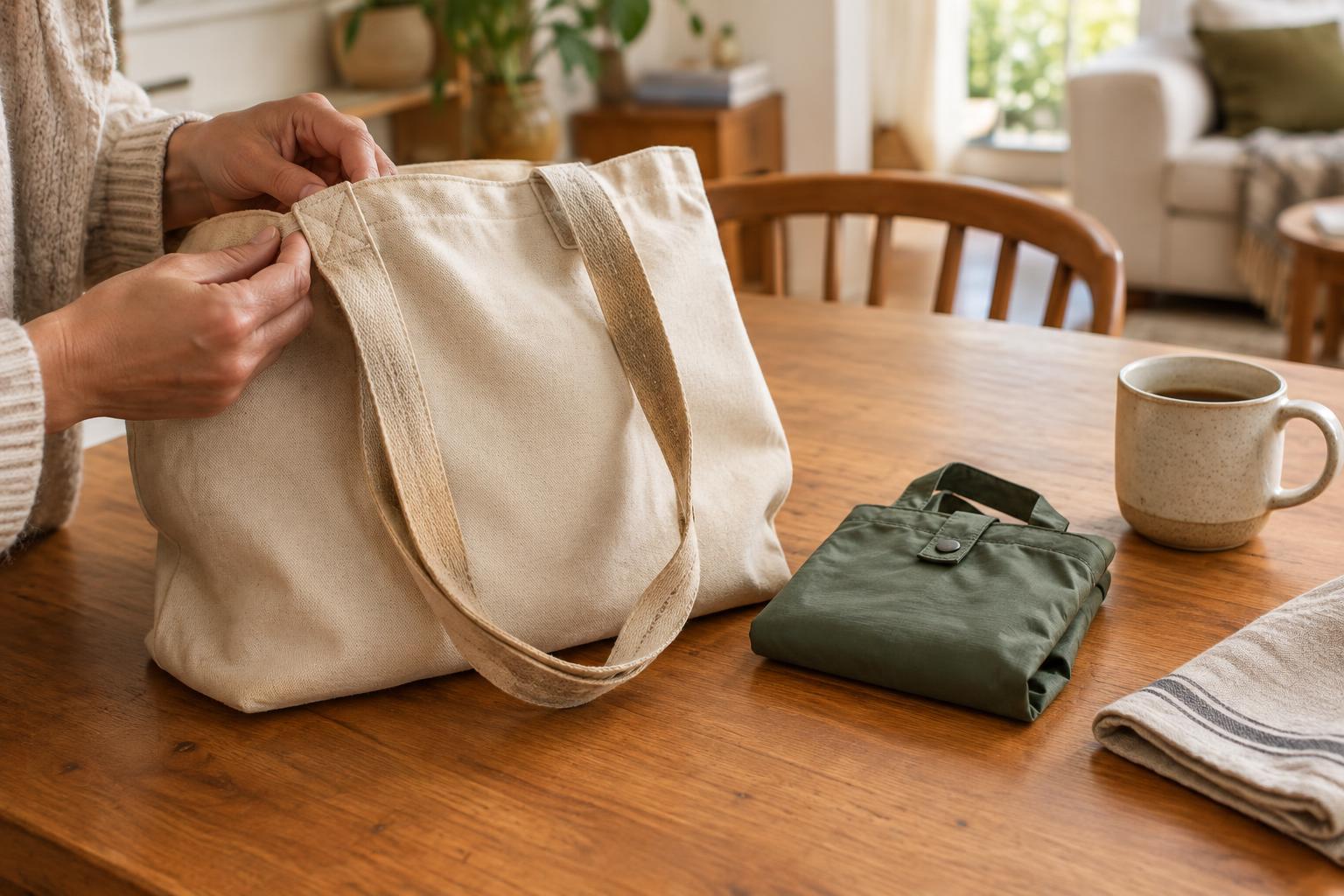
Choose one or two adaptable details: a layer that fits in your bag, sleeves that are easy to roll up, or footwear suited to the amount of walking you expect. Notice which outfits you adjust constantly and what causes the problem. Those observations can guide future choices more reliably than a rule about what you should wear in any given season. Comfortable seasonal style is less about getting every detail perfect and more about making your clothes work with your day.