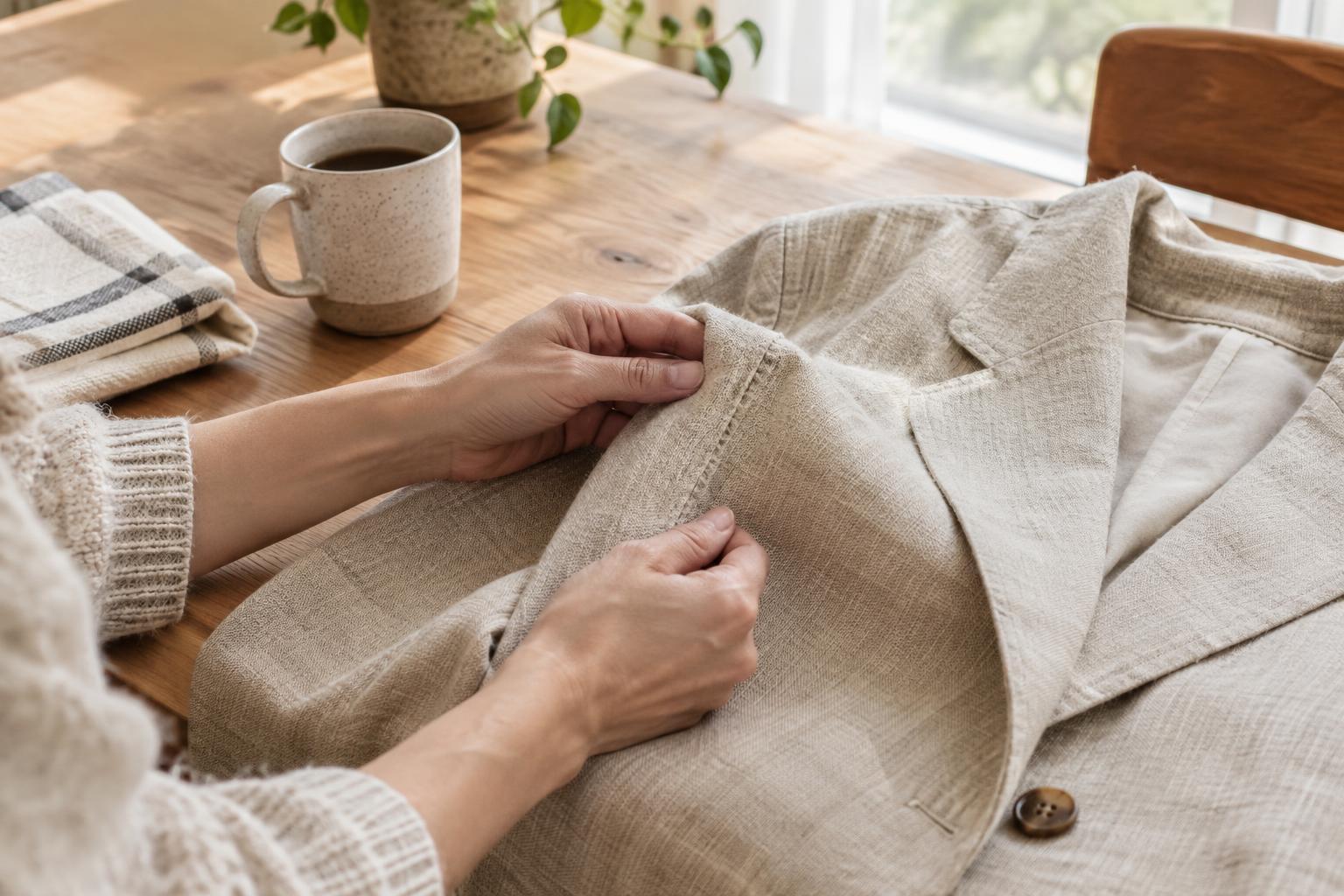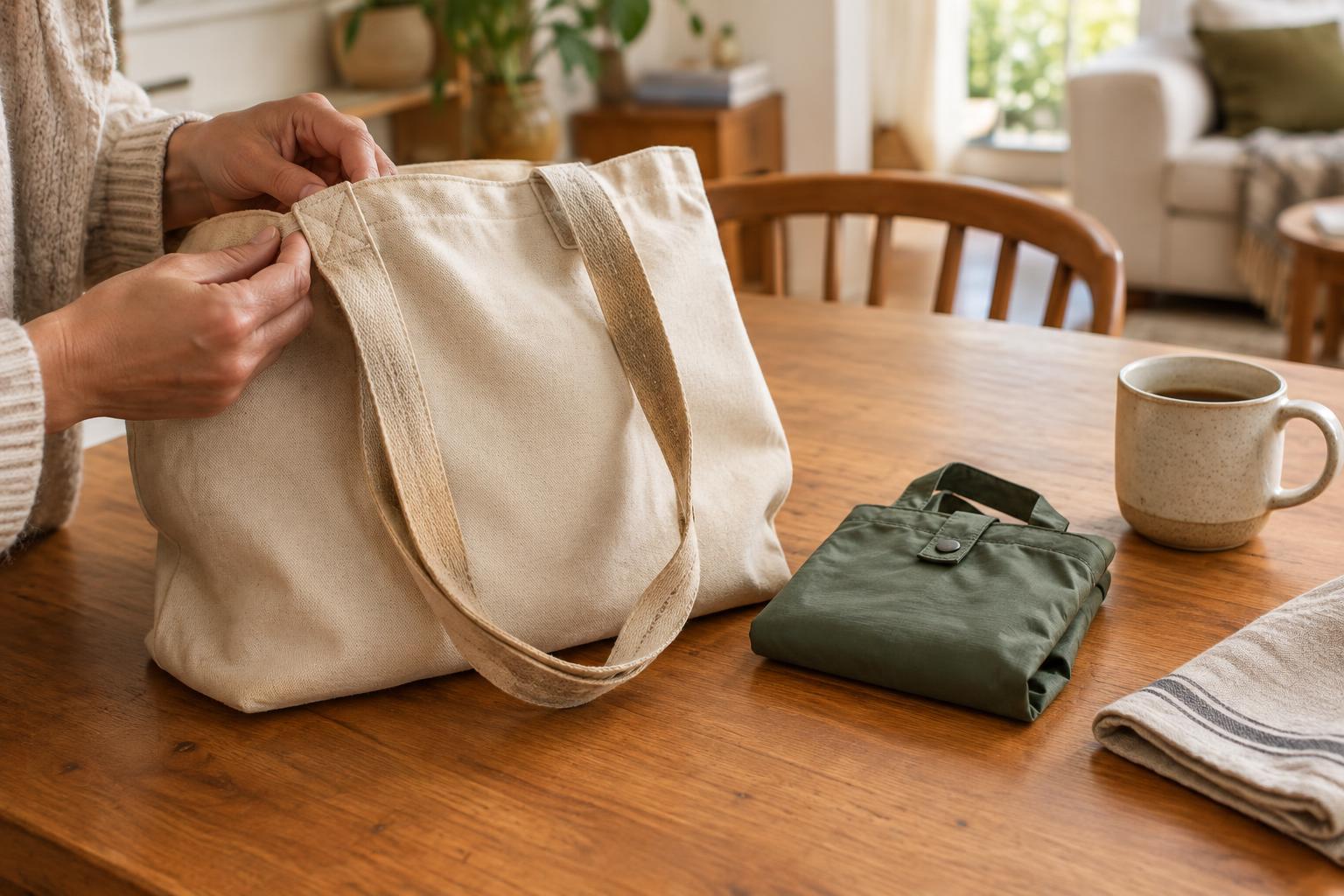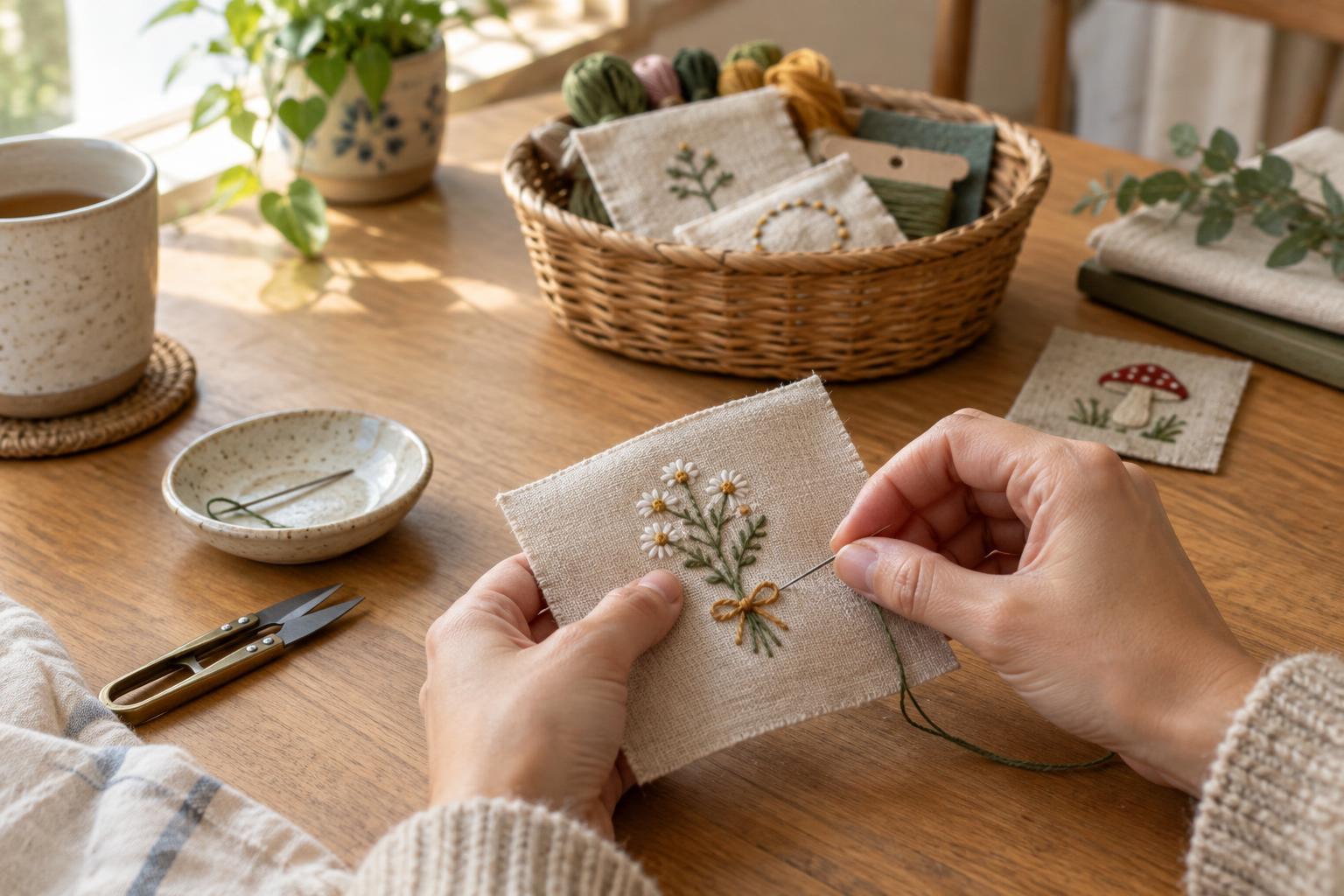
Notice what makes starting so appealing
A new sketchbook, recipe idea or half-formed sewing plan offers a pleasant sense of possibility. Nothing has gone wrong yet, and there are no awkward details to solve. An older project may be waiting at the point where you need to make decisions, repeat a fiddly step or accept that the result will differ from what you imagined. Reaching for a fresh idea is understandable, especially when a creative hobby is supposed to be enjoyable.
Before trying to change the habit, look at the projects you already have. Which ones still interest you? Which ones belong to an earlier version of your tastes or available time? You do not need to finish everything you have started. Choose one project you genuinely want to see through, and give yourself permission to set aside the rest. A smaller, deliberate selection is easier to return to than a pile of open obligations.
Define a finish line you can recognize
Small projects can become surprisingly large when the goal keeps changing. A plan to make one greeting card turns into a matching set; a short piece of writing begins to feel as though it needs a complete redesign. Write down what “finished” means before your next session. For a card, that might mean one folded card with a message inside, ready to send. For a photograph album, it might mean ten chosen images placed in order with brief captions.
Keep the finish line separate from possible improvements. You can note ideas for a future version without adding them to the current one. This does not mean rushing or ignoring a mistake that matters to you. It means deciding which details serve the project and which are new projects in disguise. If the plan still feels heavy, reduce its scope until the next step is clear and the result would still be useful or satisfying.
Make returning easier than beginning again
A project often stalls because getting back into it takes effort. Put its materials together in a box, folder or tray, and leave a short note about where you stopped. The note can be plain: “Cut the remaining fabric pieces” or “Choose the final three photos.” That small reminder saves you from having to rediscover your place every time you sit down.
Try ending each session by setting up the next one. Put the right tool nearby, mark the page you need or list the two decisions still outstanding. If your space is shared, a portable kit can make this possible without leaving supplies spread out. Even a brief session then has a clear purpose. You do not need an ideal free afternoon to move a small project forward; a manageable next action is often enough.
Give new ideas a place to wait
Finishing does not require you to stop having ideas. Keep a simple list for projects you would like to try later. Add enough detail to remember what appealed to you, then return to the work in front of you. This gives the new idea a home without asking you to buy supplies or clear another workspace immediately.
You might choose a personal rule, such as waiting until your current project is complete before starting another of the same kind. Make the rule flexible enough to suit your life. A playful experiment that takes ten minutes need not compete with a longer piece of work. The point is to notice when starting something new is a welcome choice and when it is a way to avoid the less exciting middle of something you still care about.
Let completion be a decision, not a perfect feeling
The final steps can be oddly difficult. You may keep adjusting a detail because declaring the project finished feels more exposing than continuing to work on it. Try a closing check: Does it meet the finish line you set? Is there a specific change that would make it more usable, comfortable or meaningful? If not, you can stop. A project can be complete without representing everything you might someday be capable of making.
Give the finished object a destination. Send the card, wear the mended item, put the album on a shelf or share the writing with the person it was meant for. If a project no longer suits you, you can also close it by reusing the materials or saving only the part you like. Completion is not always a polished object. Sometimes it is an honest decision that frees your attention for what you want to make next.