Why a smaller starting point helps
Starting a creative project can involve more decisions than the project itself seems to require. Before writing a story, you might wonder what it should be about, how long it should be and whether the first sentence is any good. Before rearranging a room, you might find yourself considering every corner at once. A useful constraint takes some of those decisions off the table temporarily. It gives you a place to put your attention.
A constraint is not a rule about what you are capable of making. It is a choice about how you will begin. “I’ll write one scene in a single location” leaves room for imagination while narrowing the next step. “I must write something brilliant today” does the opposite: it raises the stakes without offering direction. The best starting limits feel specific enough to guide you and flexible enough to let you experiment.
Choose one limit that answers your first question
Think about what usually stops you before you start. If you spend too long choosing supplies, limit your materials. Try drawing with one pen and one notebook, or making a collage from what is already on your desk. If the project feels too large, limit its size: one paragraph, one photograph or one shelf. If you wait for a long stretch of free time, set aside a short session and decide what you will do during it.
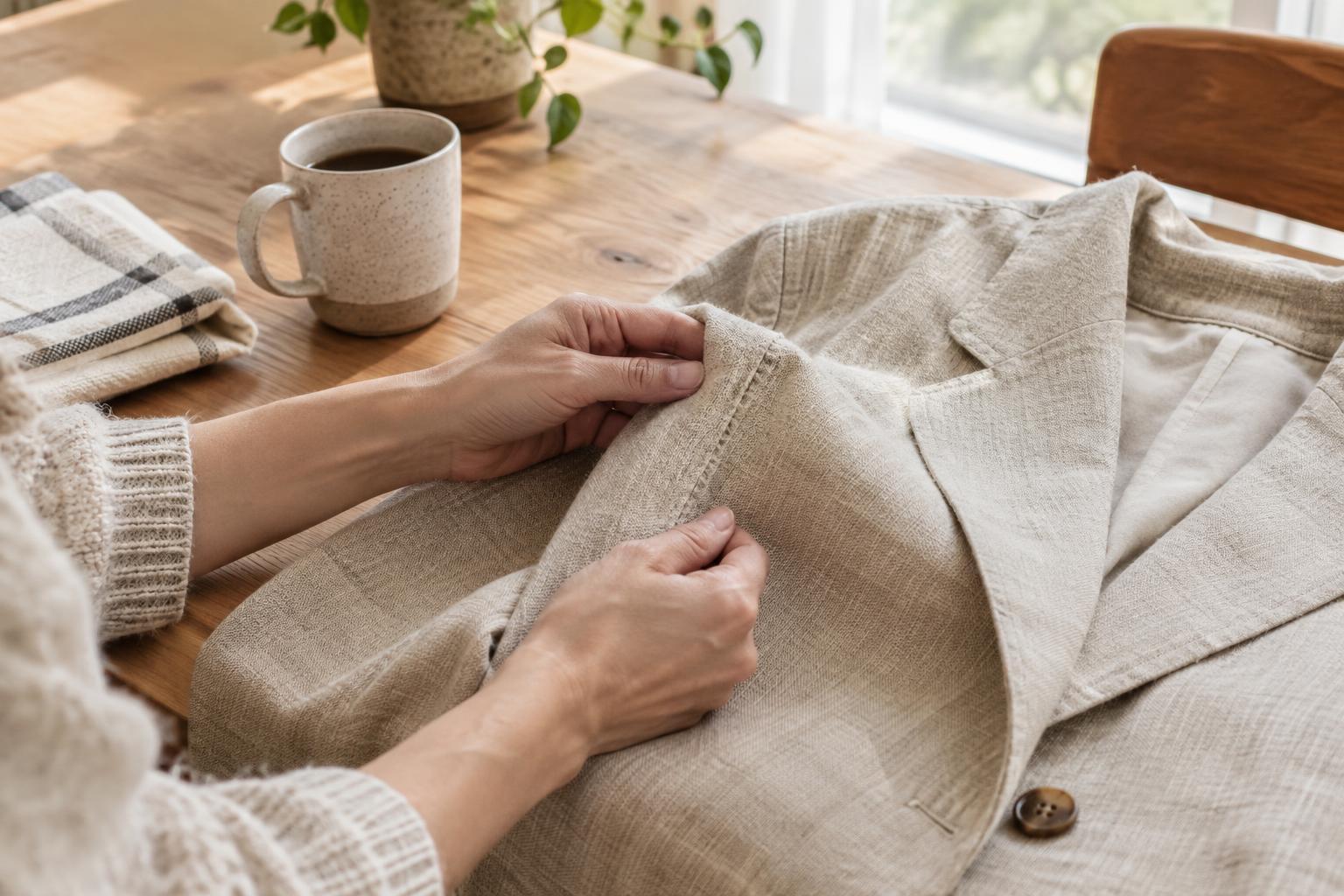
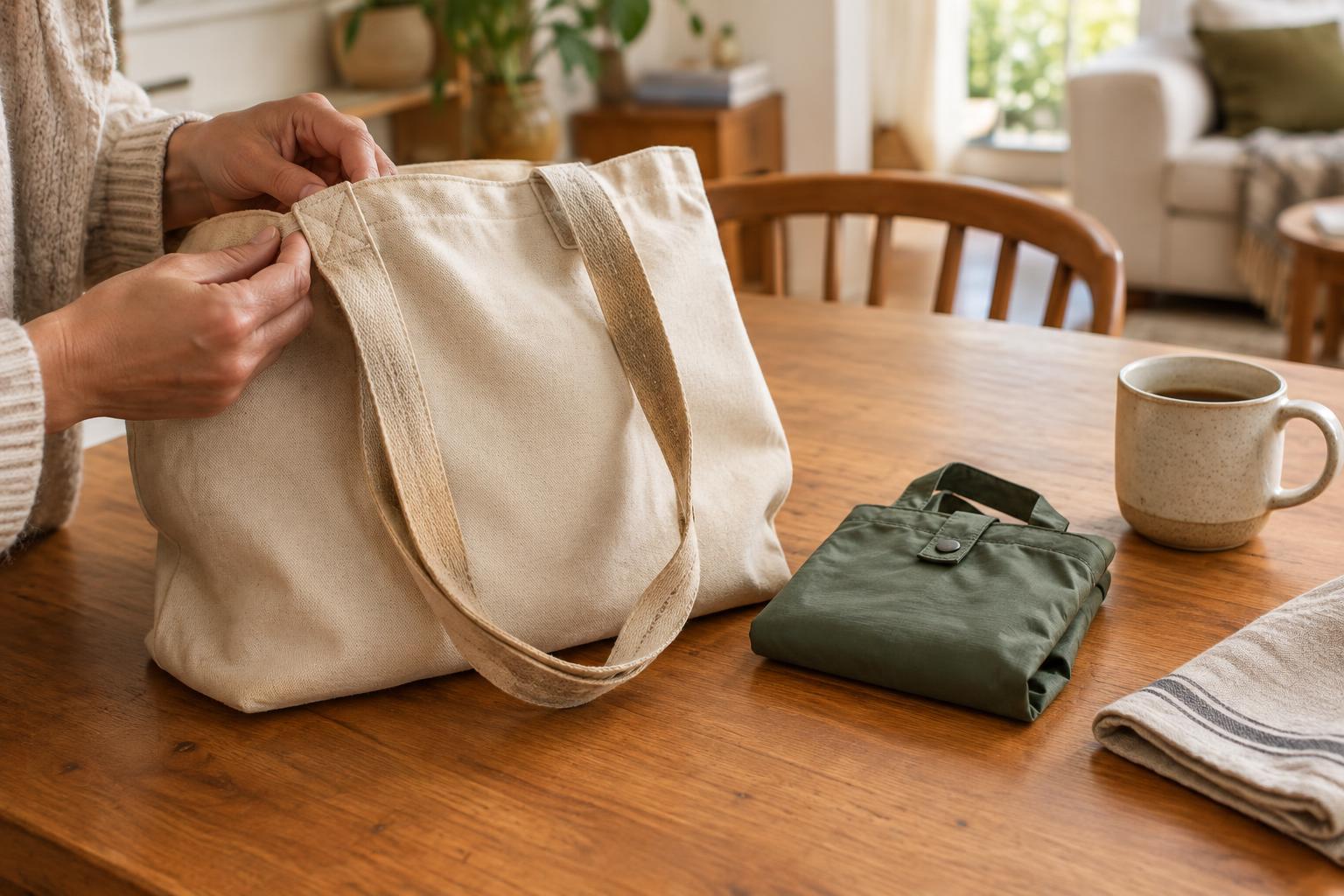
Pick one primary constraint rather than creating an elaborate system. A person planning to sew a cushion cover, for example, might begin with “use fabric I already own.” That decision narrows the project without requiring a finished design. Someone who wants to write more regularly might choose “describe one place I visited today in five sentences.” Either limit creates a first action you can take without shopping, researching or planning the entire outcome.
Make the first version deliberately small
A constraint works especially well when it produces a complete, modest version of an idea. Instead of planning a whole series of paintings, paint one object from three angles. Instead of designing a new morning routine, write down one small ritual you would enjoy trying tomorrow. A small version lets you discover what interests you through doing, rather than trying to predict every detail in advance.
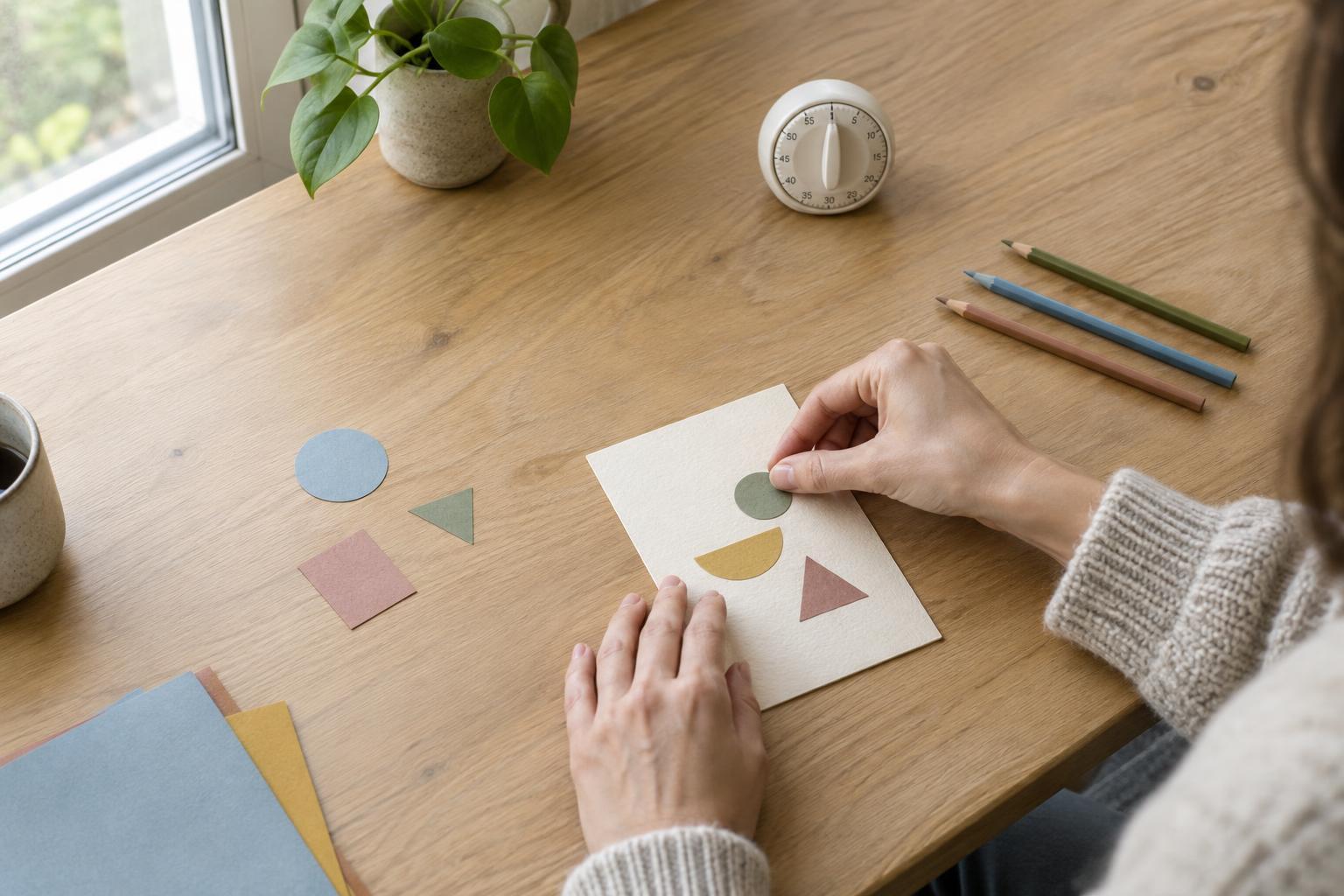
You can also separate making from improving. For a first session, the rule might be “no editing until the timer ends” or “finish a rough layout before changing colors.” This is not a ban on thoughtful revision; it simply gives drafting and reviewing different moments. If a timer makes you feel rushed, use a natural stopping point instead, such as filling one page or taking five photographs. The purpose is to make the beginning manageable, not to turn a pleasant activity into a test.
Use boundaries that leave room for play
Some constraints invite surprising choices. Try writing a short piece without naming its setting, arranging flowers using only what you can gather from your own garden, or taking photographs of one familiar color on a walk. Within a defined boundary, you may notice details you would otherwise pass over. You do not need to keep every result; the exercise is valuable if it helps you find an idea worth following.
Pay attention to whether your chosen limit supports the project you actually want to make. Using only materials on hand may be freeing for a casual sketch, but frustrating if a particular tool is essential to your idea. A boundary should reduce unnecessary decisions, not prevent you from doing the part you care about. When it stops helping, adjust it.
End each session with a clear next step
Before you put the project away, leave yourself a brief note about what to do next. Make it concrete: “cut the two remaining fabric pieces,” “choose one photo to print” or “write what happens when the visitor arrives.” This gives your next session a starting point even if you cannot return to the work for a while. Keeping the materials together, where practical, can remove another small barrier.
After a few sessions, consider what the constraint has taught you. Perhaps a short time window helped you begin but you now want more room to explore. Perhaps working with one color revealed a preference you want to carry forward. Keep limits that make your work easier to enter, loosen those that feel cramped and replace any that no longer serve the idea. The aim is not to create the perfect set of rules. It is to give yourself a welcoming way to start.