Start with the price you would actually pay
A listed price is a useful starting point, but it may not be the amount that leaves your account. Before comparing two items, write down the total at checkout for each one. Include delivery charges, taxes if they are not already shown, and any required fees. If a discount depends on a minimum order, compare the cost of what you would actually buy rather than the discounted price in isolation.
Keep optional extras separate. Gift wrapping, faster shipping and an extended service plan may be appealing, but they should not quietly become part of the base comparison. Note them on a second line and ask whether they solve a real need. This makes it easier to see both the least you would need to spend and the amount you might choose to spend.
Account for getting the item into use
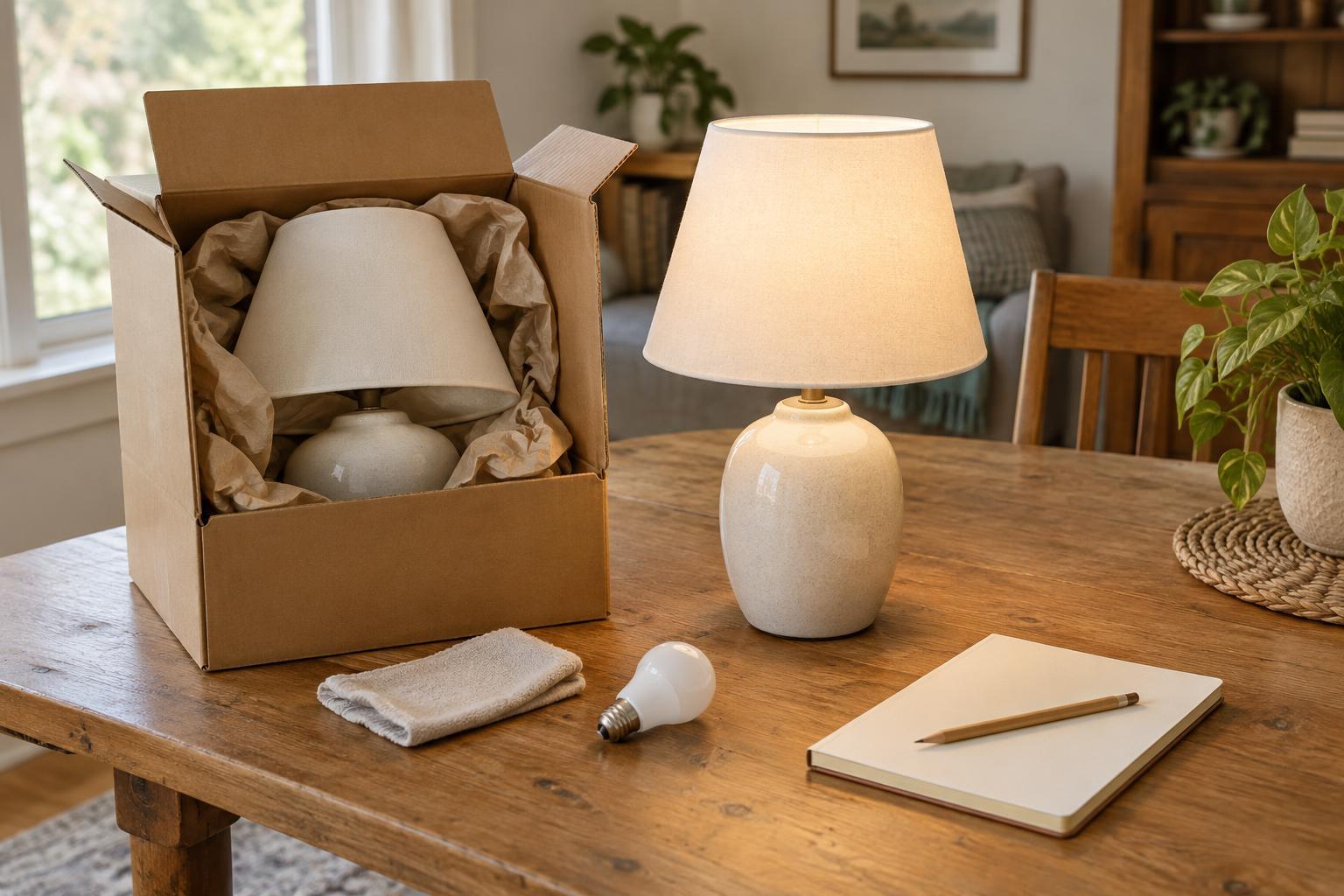
Some purchases need more than a trip to the doorstep. A shelf may require wall fixings or assembly tools; a lamp may need a suitable bulb; a pair of trousers may need hemming. These details are easy to overlook when one option looks cheaper at first glance. Check what is included, then add the cost of anything necessary to use the item as intended.
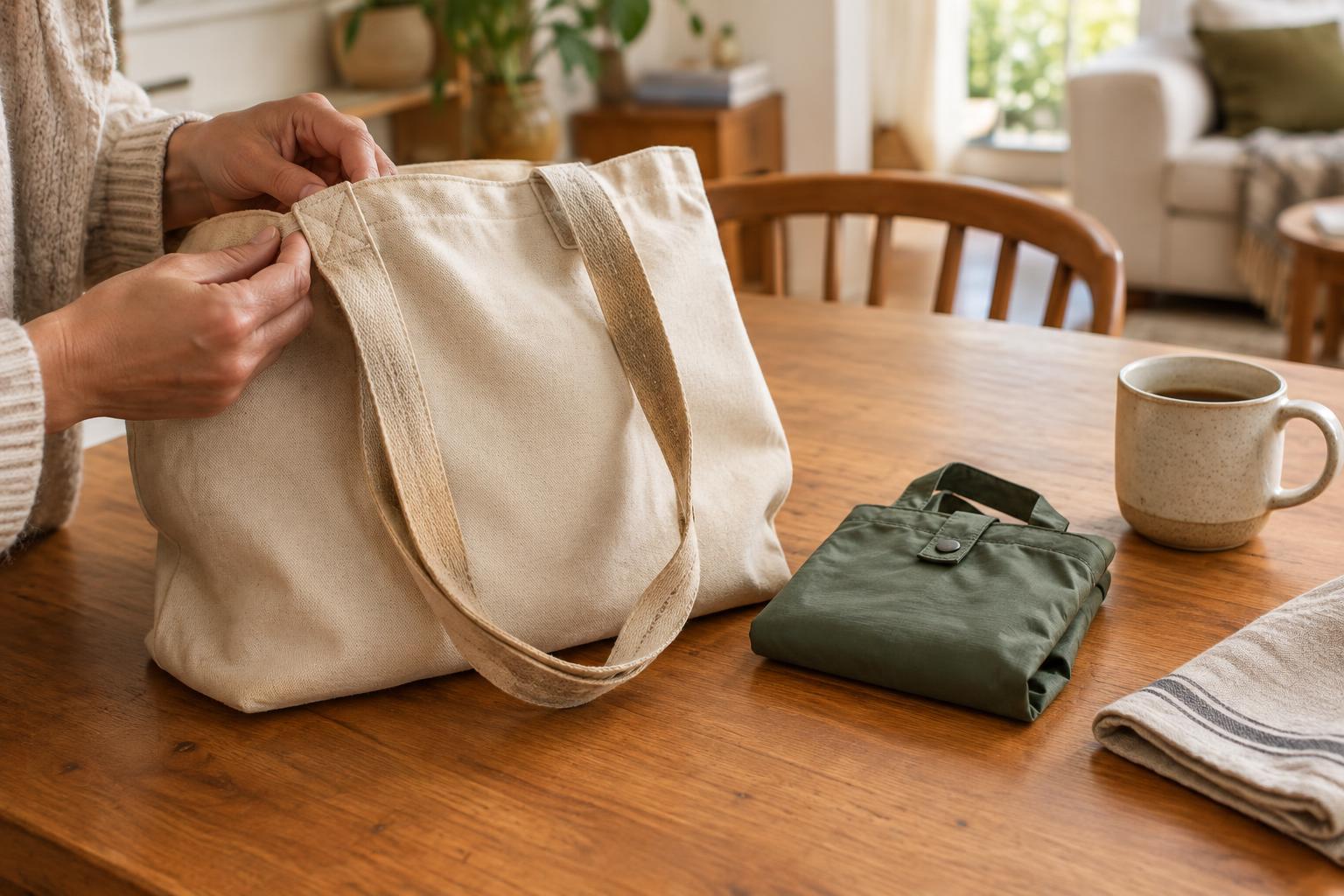
Delivery also has a practical side. A bulky item might require someone to be home, help carrying it inside, or a suitable place to leave packaging until it can be disposed of. You do not need to assign a price to every inconvenience. Simply noting the extra steps can help you decide whether a slightly more expensive option is genuinely more convenient for your household.
Consider care over a realistic period
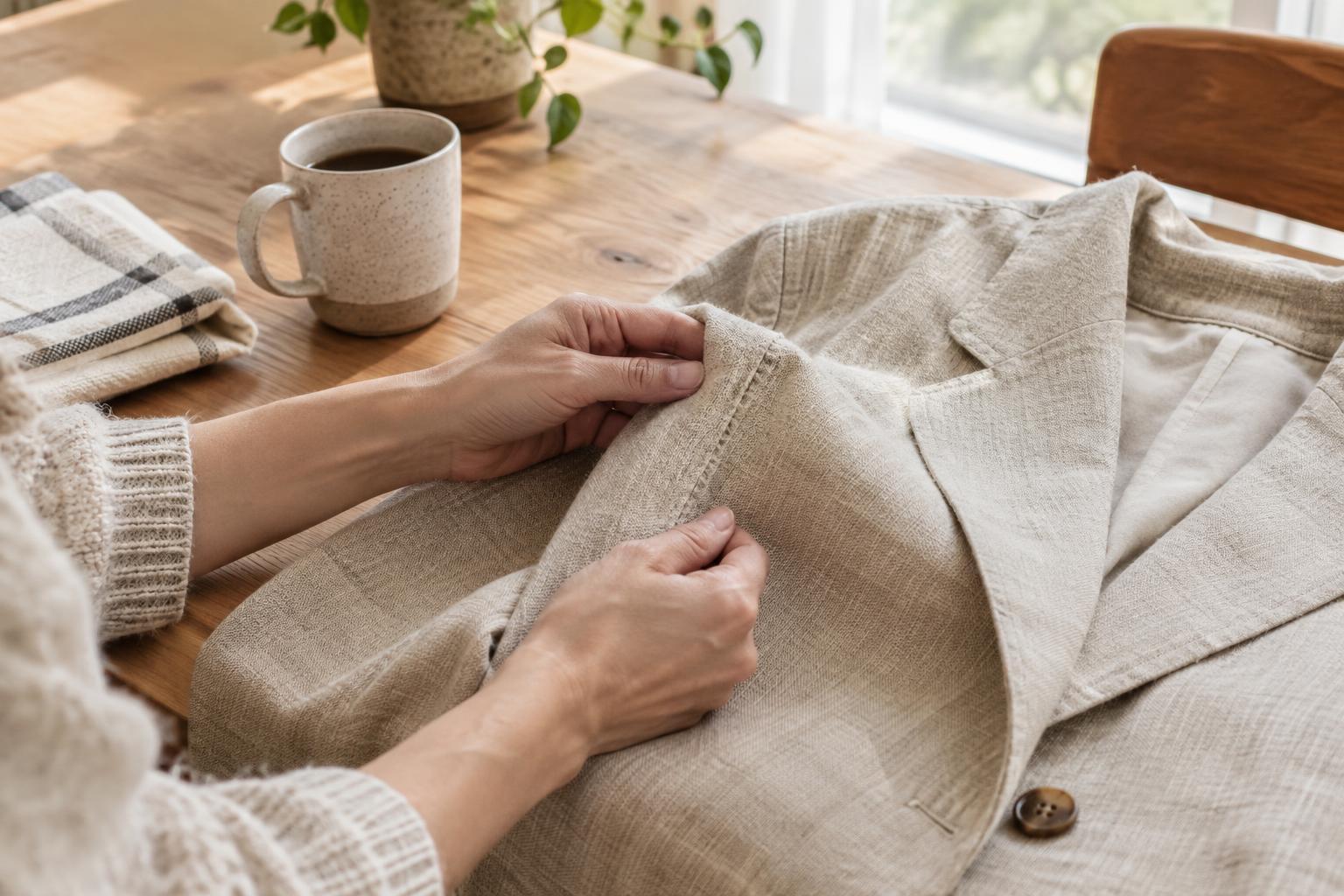
Care costs depend on the item and your routine. For clothing, read the care label before buying: a garment that needs specialist cleaning may not suit someone who prefers simple laundry. For home goods, consider whether you will need replacement filters, batteries, cleaning products or protective treatments. When comparing similar options, list the supplies you expect to need during the first year rather than guessing at a lifetime total.
Think about effort as well as money. A delicate throw may be beautiful but less useful on the sofa where a pet likes to sleep. A pale rug might be easy to maintain in one home and a frequent chore in another. Neither choice is automatically wrong; the better fit is the one whose upkeep you are willing to do. If the care instructions are unclear, treat that uncertainty as a reason to pause and look more closely.
Compare use, not just ownership
A higher price can make sense when an item is likely to be used often, but frequency alone does not prove value. Consider where the item will live, when you would reach for it and whether you already own something that fills the same role. A coat that works with the clothes you wear most days may be more useful than one reserved for an imagined occasion, regardless of which has the lower price tag.
For items you expect to use repeatedly, a rough cost-per-use check can offer perspective: divide the full expected cost by the number of uses you think is plausible. Keep the estimate modest and treat it as a prompt, not a promise. If you cannot picture using an item enough to justify its cost, waiting or borrowing may be more satisfying than trying to make the numbers work.
Make a small comparison before deciding
You do not need an elaborate spreadsheet. For two or three options, note the checkout total, essential extras, likely care needs and any practical drawbacks. Add a sentence about why each option suits your life. This puts measurable costs beside less measurable qualities, such as comfort, appearance and ease of use, without pretending they are all the same thing.
Finally, check the return terms before you order, especially when fit, color or size is hard to judge from a screen. Note any return postage or conditions that could affect the cost of changing your mind. Then give yourself permission to choose based on the whole picture. A thoughtful purchase is not necessarily the cheapest one; it is one whose total cost and everyday demands feel reasonable to you.