Start with your plans, then read the forecast
A forecast is most useful when you read it alongside your calendar. Before choosing clothes, note which days involve a long walk, a commute, time outdoors or a change of setting. A cool morning matters more if you will be waiting for a bus than if you will be at home. Likewise, a chance of rain may change your footwear for an afternoon errand but have little effect on a day spent indoors.
Look beyond a single temperature. Check the expected range across each day and pay attention to rain, wind and sunshine. Then identify the days that need the most thought. If the weather looks steady for several days, one outfit idea may serve them all. If conditions vary, plan for those changes rather than trying to make every day follow the same formula.
Build outfits around flexible layers
Start each outfit with a comfortable base that suits the warmest part of your day. Add a layer you can put on or take off easily, such as a cardigan, overshirt or lightweight jacket. This approach is especially useful when mornings are chilly but afternoons feel mild. It also gives you options when indoor temperatures differ from the weather outside.
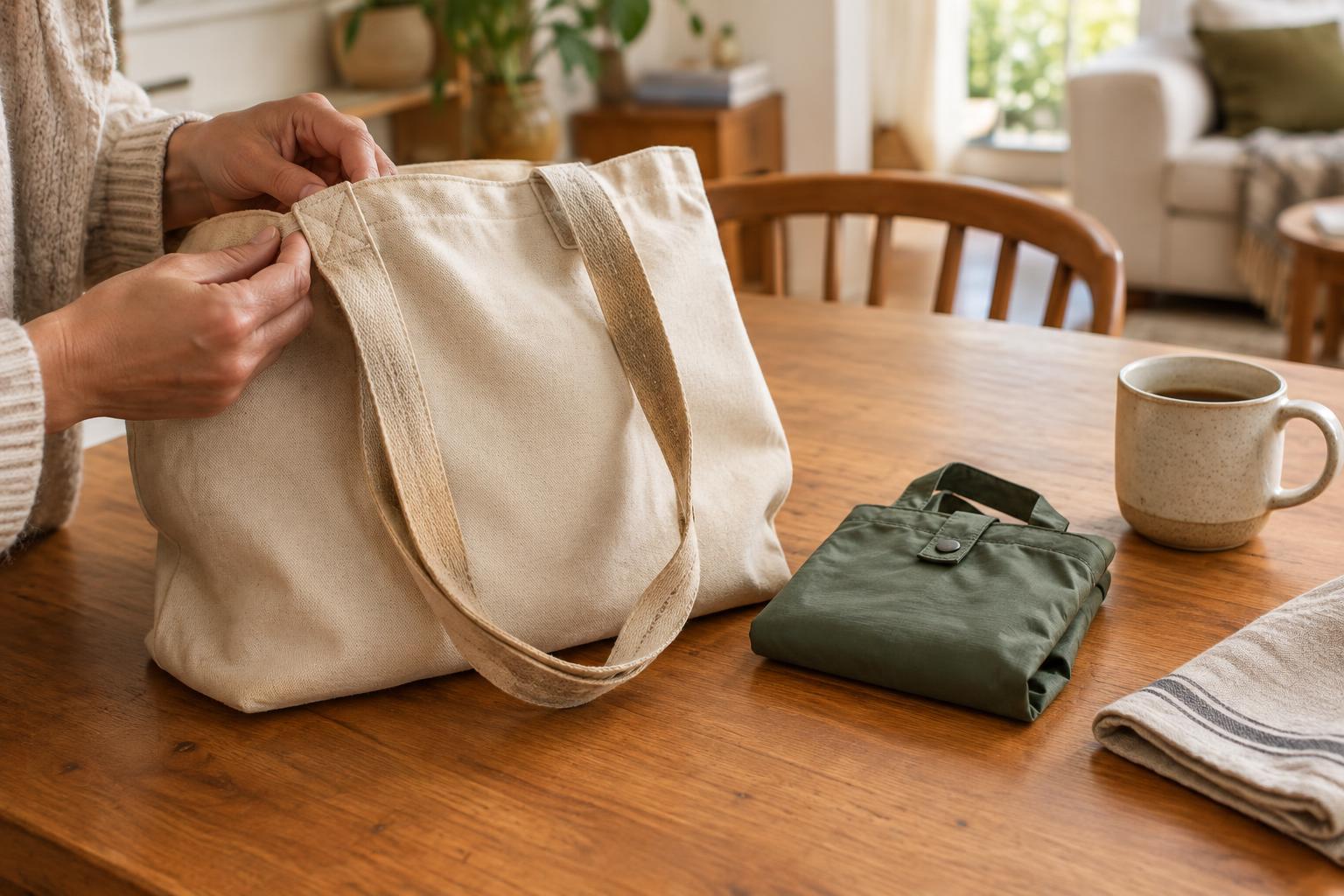
Think about where each layer will go when you are not wearing it. A bulky sweater may be cozy at breakfast but awkward to carry later. A lighter layer that fits in your bag, or can be draped over a chair, may be more practical. You do not need a different set of clothes for every possible temperature; a few compatible pieces can cover a wide range of days.
Give shoes and outerwear their own forecast check
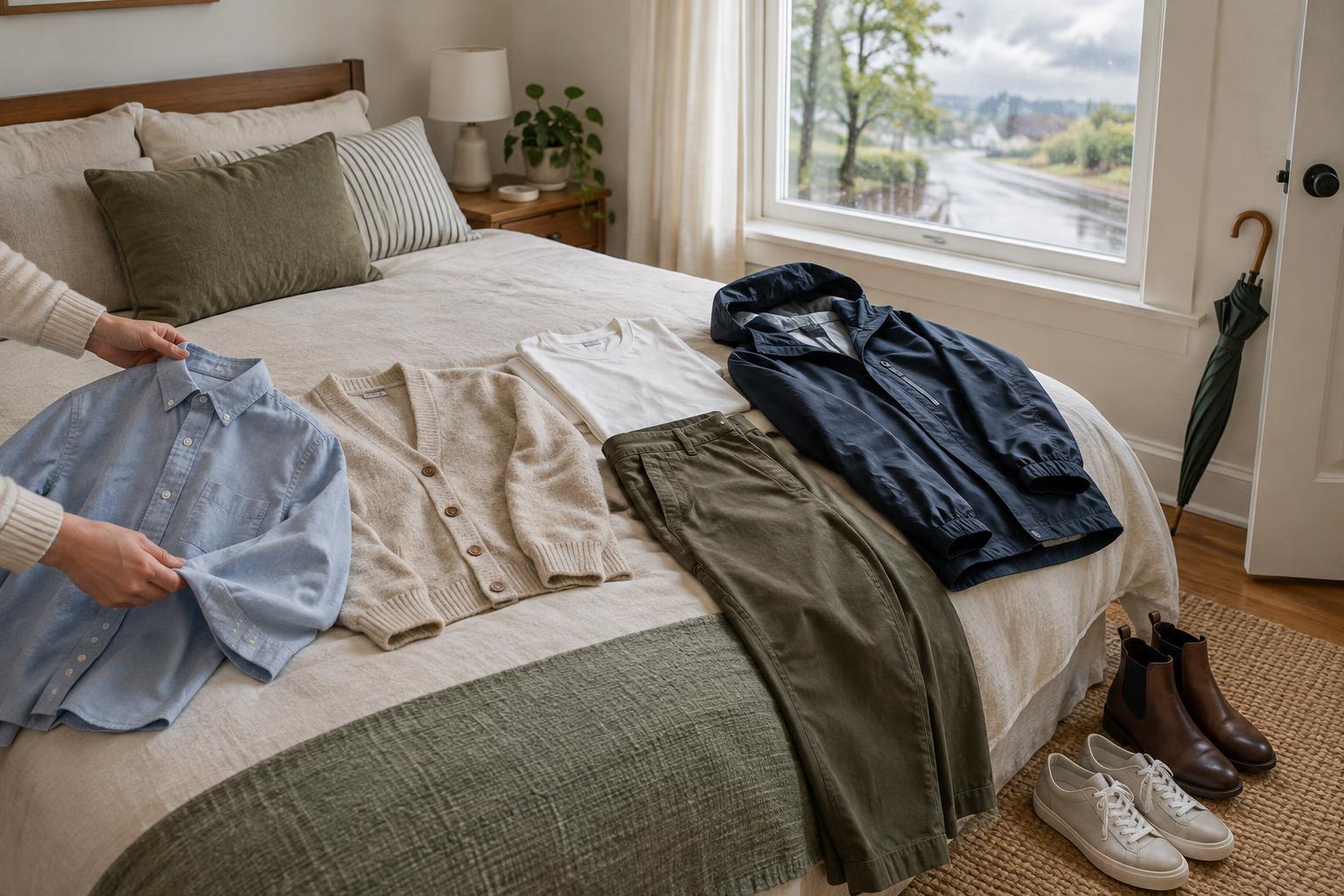
Shoes often determine whether a weather-conscious outfit actually works. For a wet day, consider the surfaces you will cross and choose footwear that can handle them comfortably. For a warm day with plenty of walking, prioritize shoes you already know you can wear for that distance. If your plans call for a particular look, choose the shoes first and build the rest of the outfit around them.
Outerwear deserves the same attention. A light jacket may be enough for a brief trip outside, while a longer walk in wind or rain may call for more coverage. Keep an umbrella or other rain layer near the bag you usually take out, if it is useful for your routine. Planning these pieces alongside your clothes is easier than discovering at the door that your outfit has no practical finishing layer.
Make a loose plan, not a rigid schedule
Choose a few outfit combinations that can move between days. You might plan one for cooler weather, one for a warmer afternoon and one for a day when you need to dress for rain. Then match them to your calendar as the week unfolds. An outfit formula can be simple: familiar trousers, a comfortable top, a removable layer and shoes suited to the day's activities.
It also helps to check what is clean before assigning anything to a day. If one favorite layer appears in several outfits, make sure it will be available when you need it. You can lay out complete outfits, make a short note on your phone or group compatible pieces together in your wardrobe. Choose the method that makes mornings easier, rather than turning dressing into another complicated task.
Leave room for a morning adjustment
A weekly forecast is a planning tool, not a promise. Each morning, take a quick look outside and check for changes before getting dressed. If rain has shifted to another day, swap your planned outfits. If it feels warmer than expected, remove a layer. Keeping one alternative pair of shoes and an extra layer easy to reach can make those small changes feel effortless.
The goal is not to predict every condition perfectly. It is to reduce rushed decisions while staying comfortable in the life you actually have planned. After a week or two, notice which combinations worked well: the jacket you were glad to bring, the shoes that suited a long day, or the layer you never needed. Those observations can make the next week's outfit planning quicker and more personal.